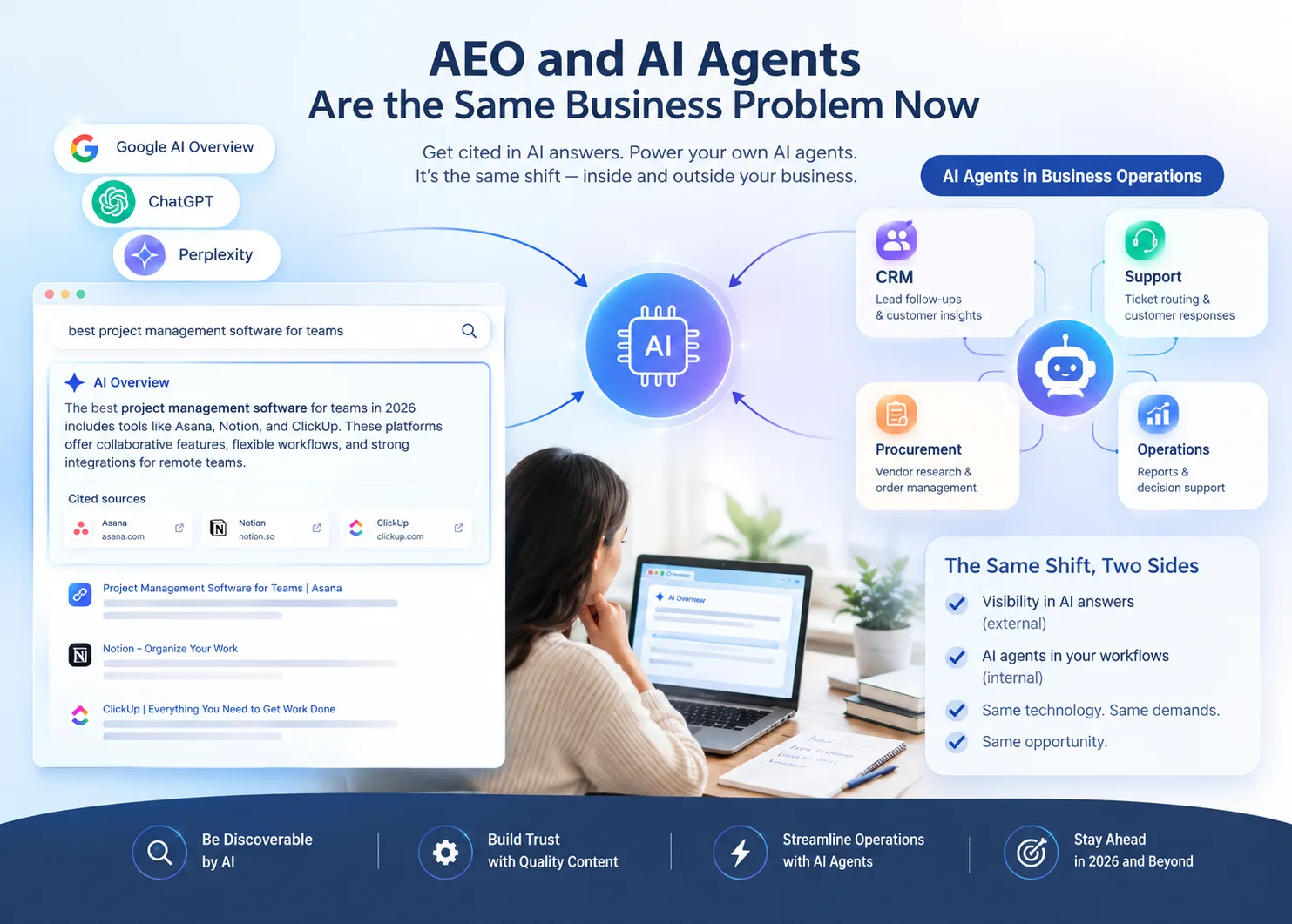
Search behavior has quietly flipped. A few years ago, a buyer typed a question into Google and clicked through a list of blue links. Now that same buyer is just as likely to ask ChatGPT, Perplexity, or Google’s AI Overview for a recommendation and act on the answer without ever visiting a website.
That shift touches two things at once, and most businesses only notice one of them. The first is external: whether your brand gets mentioned when an AI system answers a buyer’s question. The second is internal: whether your own operations are keeping pace with the same AI systems now running procurement, support, and research inside other companies. Treat these as separate problems and you’ll solve neither well. They’re the same operational shift wearing two different hats.
Why answer engines are becoming the new front door to your business
Google’s AI Overviews now show up on roughly 48% of all search queries as of March 2026, up from 34.5% just three months earlier in December 2025, according to Rankability’s ongoing State of AI Search tracking. Question-style searches trigger an AI-generated summary around 60% of the time. That’s not a niche behavior anymore. It’s how a huge share of research now happens.
The buyer side confirms it. Omnibound’s research found that 51% of B2B software buyers now start vendor research inside an AI chatbot rather than typing into Google, up from just 29% in April 2025. That’s a 22-point jump in twelve months, which is a fast swing for buying behavior to move.
Picture a mid-size services company that’s ranked comfortably on page one for years. Its marketing lead runs a routine competitor check and asks ChatGPT which vendors in their category are worth considering. Three competitors get named. Their own company doesn’t. Nothing about their website changed. The search engine they’d optimized for over a decade simply stopped being the only gatekeeper, and a new one showed up asking different questions entirely. That’s usually the moment a business brings in a specialized AEO agency rather than trying to reverse-engineer AI citation patterns alone, since the extraction and validation logic these systems use has little in common with traditional ranking factors.
The citation advantage: what getting cited actually does for revenue
Getting cited inside an AI Overview isn’t a vanity metric. Brenton Way’s analysis found that brands cited within a Google AI Overview earn about 35% more organic clicks and 91% more paid clicks than the page ranking directly below it, even though overall click-through rates for AI Overview searches tend to fall compared to a plain number-one organic ranking.
That combination matters. Fewer total clicks land on any single result, but the ones who do get cited capture a disproportionate share of them. It’s a winner-take-more dynamic, not a winner-take-all one, and it rewards the businesses that show up as a named, trusted answer rather than just a listed link.
Gartner’s April 2026 CEO survey adds context on why this is happening now rather than gradually: 80% of CEOs say AI is forcing a high-to-medium degree of change to their operational capabilities, as the market shifts from what Gartner calls “digital business” toward “autonomous business,” where AI systems take actions and make decisions rather than just surfacing information. Answer-engine visibility is downstream of that same shift. The systems doing the deciding need to trust a source before they’ll cite it.
The other half of the shift: AI agents are taking over business operations
AI agents increasingly sit between departments, executing tasks across sales, support, and procurement systems
Here’s the part most AEO advice skips entirely. The AI systems buyers use to research vendors are close cousins of the AI systems now running work inside those same companies. Gartner projects that 40% of enterprise applications will carry task-specific AI agents by the end of 2026, up from less than 5% in 2025. That’s one of the fastest capability shifts enterprise software has ever gone through.
These agents aren’t experimental add-ons anymore. They’re routing support tickets, flagging procurement anomalies, drafting reports, and increasingly making low-stakes decisions without a human clicking approve. Businesses can also use AI agent tools to support these workflows, from automating repetitive tasks to coordinating processes across different business systems. A company that’s still running those workflows manually while its competitors have handed them to AI agents for business operations isn’t just slower. It’s operating on a different cost structure entirely, and that gap compounds every quarter it goes unaddressed.
The connection back to answer-engine visibility is direct. A business that’s comfortable letting AI agents handle internal workflows tends to also understand how AI systems evaluate and cite external information, because it’s the same underlying literacy. Businesses that resist one usually lag on the other too.
Turning content into an asset both answer engines and AI agents can trust
Getting cited by an answer engine isn’t about stuffing keywords anymore. These systems look for structured, verifiable, specific content: clear entity definitions, cited sources, consistent facts across a site, and freshness signals that show a page is actively maintained rather than abandoned. Crowjack’s own breakdown of how generative AI is reshaping SEO content strategy covers this shift in more detail, and it’s worth reading alongside whatever content plan you’re already running.
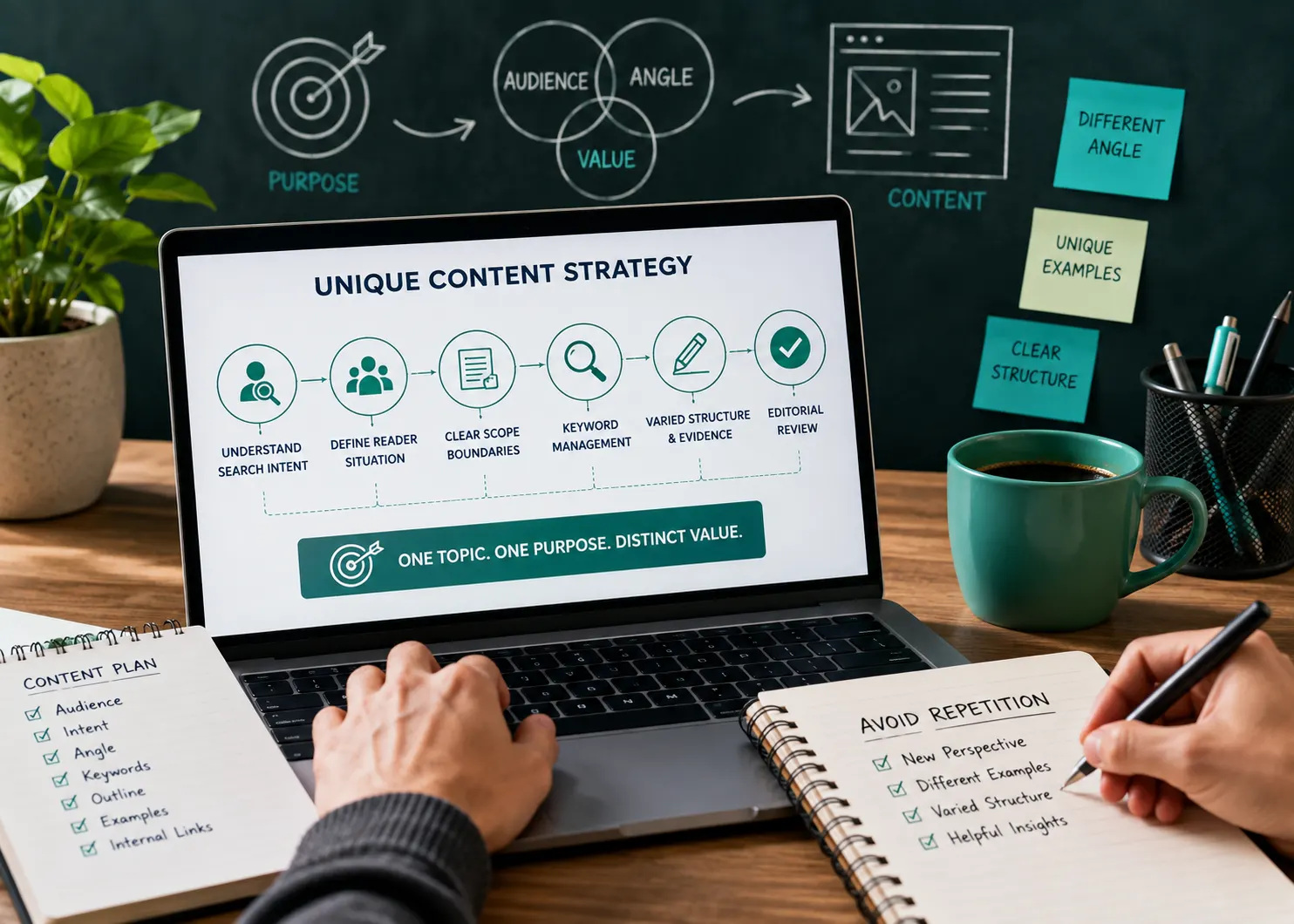
There’s a real tension here worth naming honestly. AI tools can help a content team produce more, faster, but volume without care is exactly how a site loses the credibility signals these answer engines are searching for. Heroic Rankings’ breakdown of AI content for SEO walks through how to use AI-assisted drafting without diluting the accuracy and originality that citation-worthy content depends on. Skip that discipline and you can produce a lot of content that answer engines simply decline to trust.
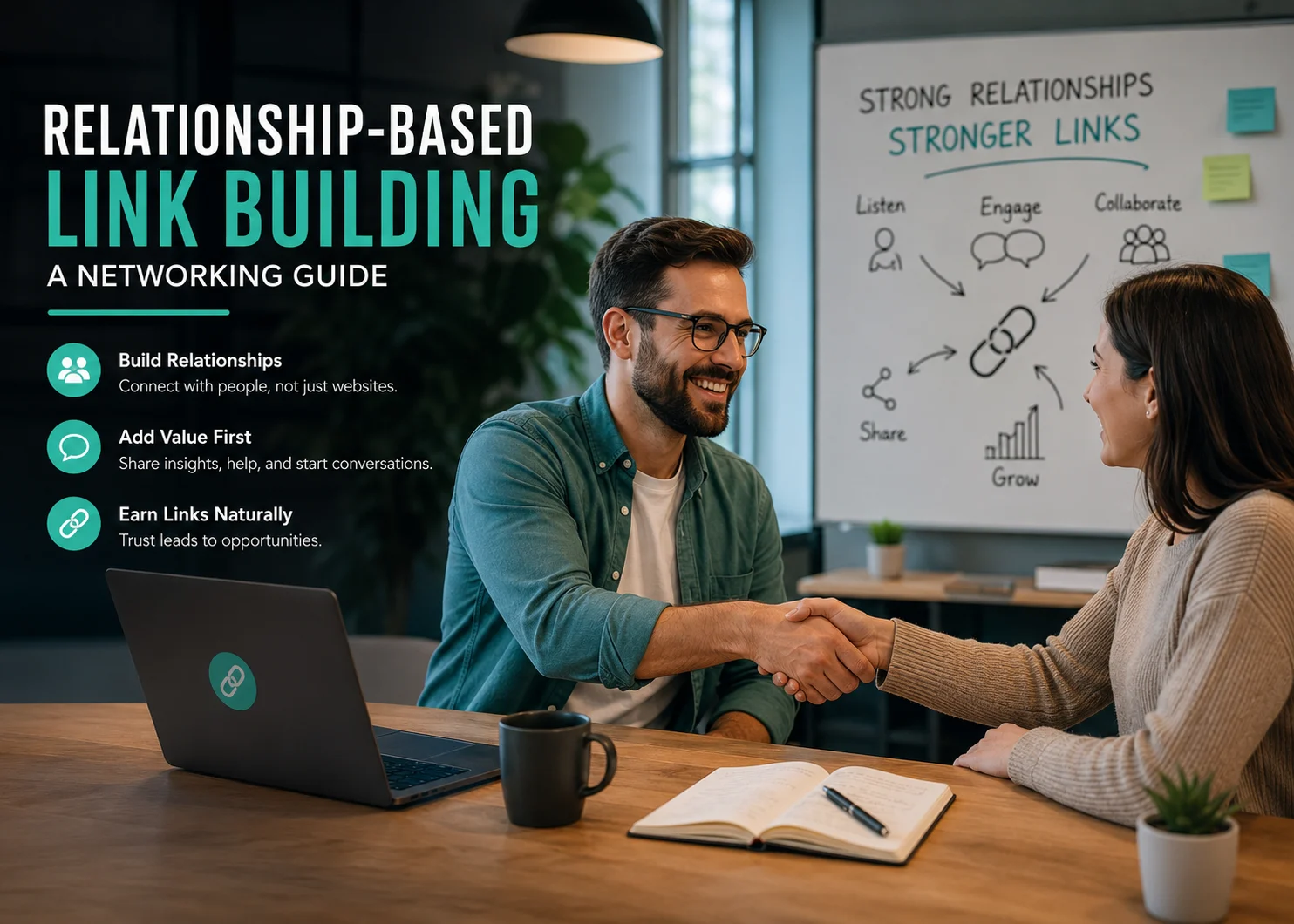
Link building still matters here too, just with a different emphasis. A citation from a genuinely authoritative source carries more weight with an AI system’s trust model than a dozen low-quality placements, which is roughly the same logic behind Crowjack’s rundown of modern link building tactics built for AI-era search.
What to look for before you bring in outside help
A practical checklist for vetting AEO expertise before signing with an agency
Not every agency that added “AEO” to its service list actually understands how these systems work. A few things worth checking before signing anything. Ask for actual case studies showing citation lift in AI Overviews or chatbot answers, not just traditional ranking improvements. Ask how they distinguish between the extraction layer (does an AI system pull your content at all) and the validation layer (does it trust your content enough to cite it), because these require different fixes. And ask what tools they use to monitor citations across ChatGPT, Perplexity, and Google’s AI Overviews, since this space moves fast enough that manual spot-checks won’t catch much.
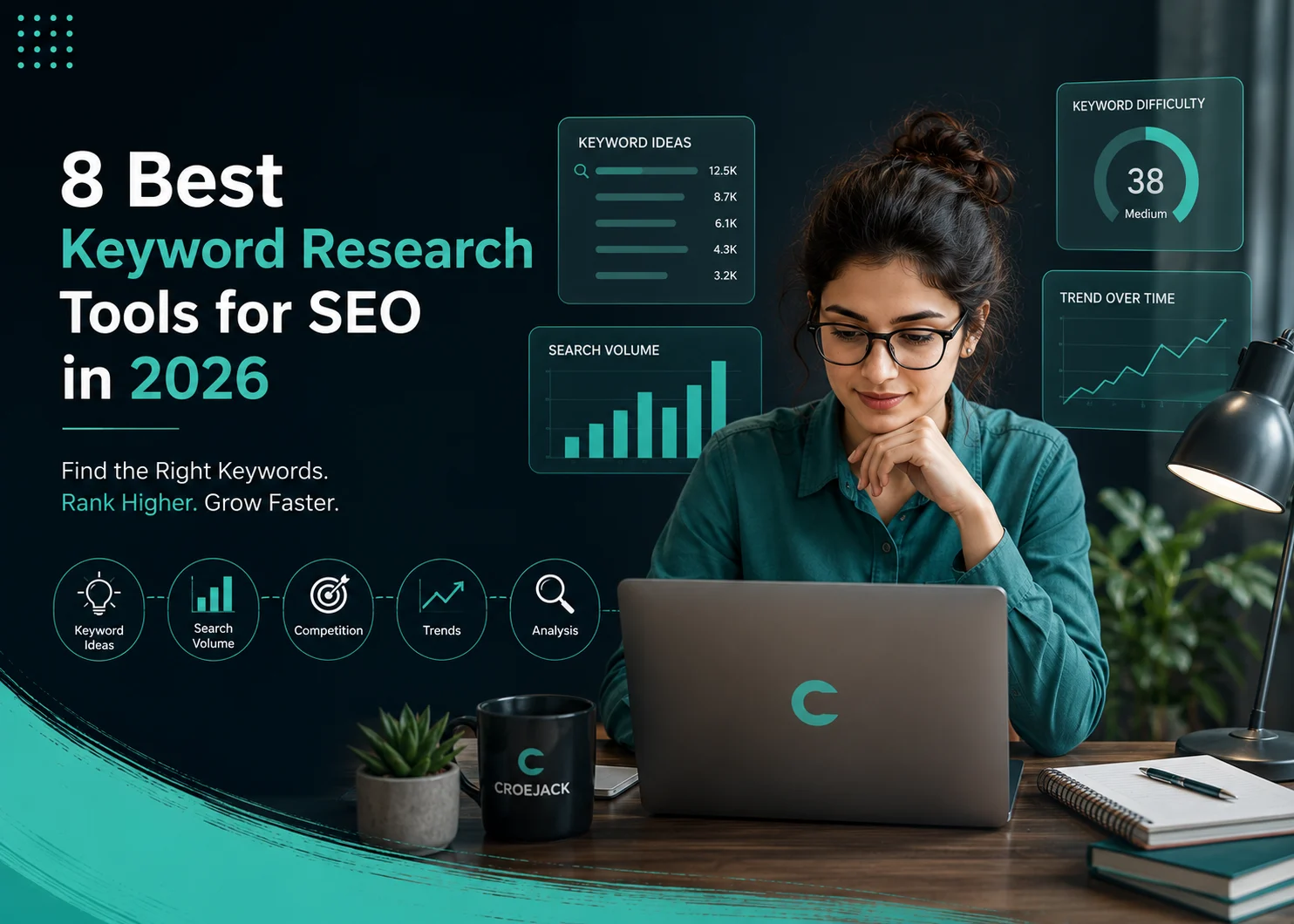
Keyword research still plays a role in this process, though it looks a little different when you’re optimizing for question-based AI queries instead of ranking pages. Crowjack’s guide to choosing the right keyword research tools for AI Overviews is a reasonable starting point if your current toolkit was built for a search that no longer works the way it used to.
Bringing it together
The businesses that treat this well aren’t the ones chasing AEO as a marketing trend or bolting on an AI agent tool because a competitor mentioned it. They’re the ones who recognize that answer-engine visibility and internal AI-agent adoption are two expressions of the same shift: buyers and businesses alike are letting AI systems mediate more of their decisions, and both directions of that shift reward companies that show up as clear, trustworthy, and current. Ignore either half and you’re solving half a problem. The businesses still getting found, and still operating efficiently, a year from now will be the ones that connected the dots earlier rather than later.
Read More Blogs On: