Table of Content
- Kiara Miller
- Aug 12,2026
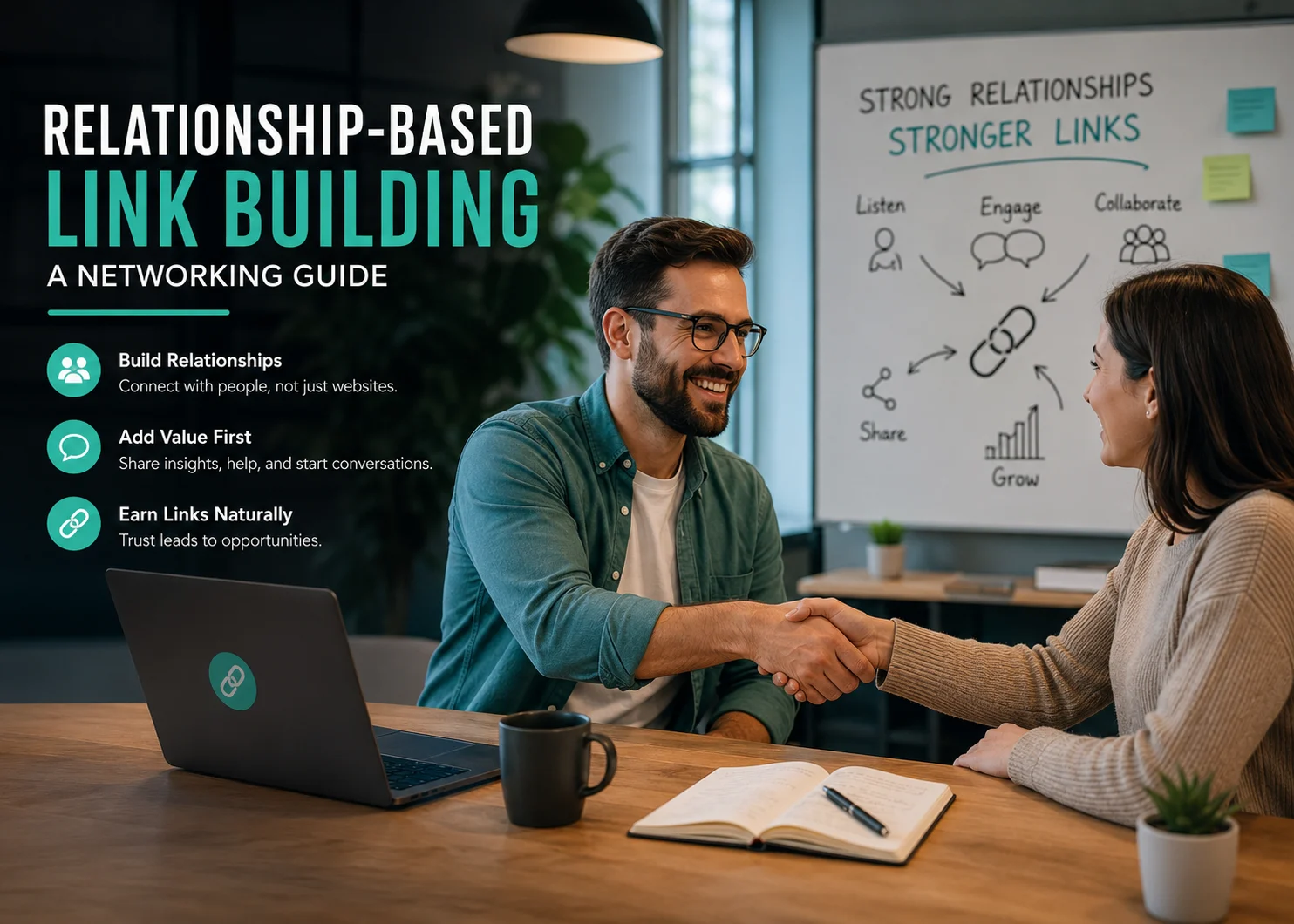
Relationship-based link building isn't really about links at all, not first. It's about people. Most SEOs get this backwards, they chase backlinks like it's a checklist, cold emails going out by the hundred, templates copy-pasted with a name swapped in. That doesn't work anymore. Hasn't for years, honestly. Search engines got smarter, sure, but so did the webmasters. They can smell a form letter from a mile off.
Here's the thing nobody wants to admit: link building was always networking with extra steps. The tactics changed, the core hasn't. You want a link from a site that matters? Someone on that site has to actually like you, or at least respect you enough to bother. Trust doesn't come from a subject line. It comes from showing up, commenting on their work, sharing what they publish, actually reading their stuff before you ask for anything.
Start small. Pick ten sites in your niche. Not a hundred, ten.
Do this for a month before you ask for a single thing. Feels slow. It is slow. But it's the only version of this that compounds instead of decaying.
Build backlinks through real relationships; that's the whole method, compressed into five words, and everything else here is just detail around it.
Conferences help. Webinars too, even the boring ones. Half of link building now happens in Slack communities and Discord servers nobody outside the industry has heard of. Join a few. Contribute before you extract. People remember who was helpful in March when you ask for a guest post slot in June.
Guest posting itself isn't dead, whatever the doom-posters say, it just requires an actual relationship first, not a pitch to a stranger. Editors get thirty pitches a day from people they've never spoken to. Yours won't stand out unless there's already a thread of familiarity. Comment on three of their articles first. Share one. Then pitch. The order matters more than the pitch itself, honestly.
Email still works, but the good kind of email, one that references something specific the person wrote, not a generic opener. "Loved your recent piece on X" is dead on arrival. Everyone's seen it. Say what you actually thought of it, argue with a point if you disagree, that's memorable. Disagreement, done politely, builds more trust than flattery does.
Some people build these relationships through podcasts. Get on someone's show, or have them on yours, either way, that's forty-five minutes of real conversation, which does more for a relationship than six months of email back-and-forth. Links tend to follow naturally after that. Nobody has to ask.
There's a patience problem in this industry. Everyone wants the link this quarter, this month even. Real relationships don't run on that clock. Some of the best links I've seen came from connections built a year, sometimes two years earlier, nothing transactional about them at the time. Just two people talking shop, respecting each other's work. The link, when it came, wasn't even the point anymore.
Skip the influencer-outreach templates. Skip the "10 sites to email this week" spreadsheets too, those treat humans like inventory. People notice when they're a line item. Feels obvious to say, yet the industry keeps doing it anyway.
What actually works: consistency. Show up in the same three or four communities for months. Comment genuinely, not "great post!" but a real reaction, a real question. Answer other
people's questions when you can, even when there's nothing in it for you. Especially then, actually. That's when it counts most.
Reciprocity matters too, but it shouldn't be the first move. Give first.
Most people notice, and most people return the favor eventually, though not always in the way or on the timeline you'd expect.
Don't fake the interest either. If you don't actually care about a niche, that shows through fast — in your comments, your questions, the way you talk about their work. People can tell when you're performing engagement versus having it. Real relationships need real interest as the foundation; skip that step and the rest collapses eventually, sometimes fast, sometimes slow, but it collapses.
Small publishers matter more than people think. Everyone chases the big-name sites, Forbes, HubSpot, whatever, but a tight relationship with five mid-size blogs in your space will outperform one cold DA-90 link, most years, because the mid-size blog owner remembers you.
That kind of thing compounds in ways a single high-authority link never does on its own.
Time this right, and eventually you stop asking for links altogether. People just start offering them, because you've built enough trust, enough history, that it's the obvious next move for them too. That's the real endpoint of relationship-based link building: not a bigger backlink profile, but a network of people who'd vouch for you without being asked. The links are just the visible residue of that. Everything underneath is the actual asset.
Relationship-based link building is an SEO strategy focused on building genuine relationships with publishers, writers, bloggers, and industry professionals before asking for backlinks.
It can take several months or longer. Strong relationships develop through consistent engagement, valuable contributions, and trust rather than quick outreach.
Yes. Guest posting can still work when it is based on genuine relationships and valuable content rather than mass-produced pitches or manipulative link schemes.
Not necessarily. Several relevant mid-sized websites can provide valuable links, referrals, and industry relationships that may be more beneficial than one large but unrelated backlink.

Discover the 8 best keyword research tools for SEO in 2026 to uncover high-value keywords, analyze search intent, track competition, and improve your search rankings. This comprehensive guide compares the top SEO keyword research tools, including their features, pricing, pros, cons, and ideal use cases, helping beginners, bloggers, marketers, and SEO professionals choose the right tool to drive more organic traffic and grow their online presence.
Read More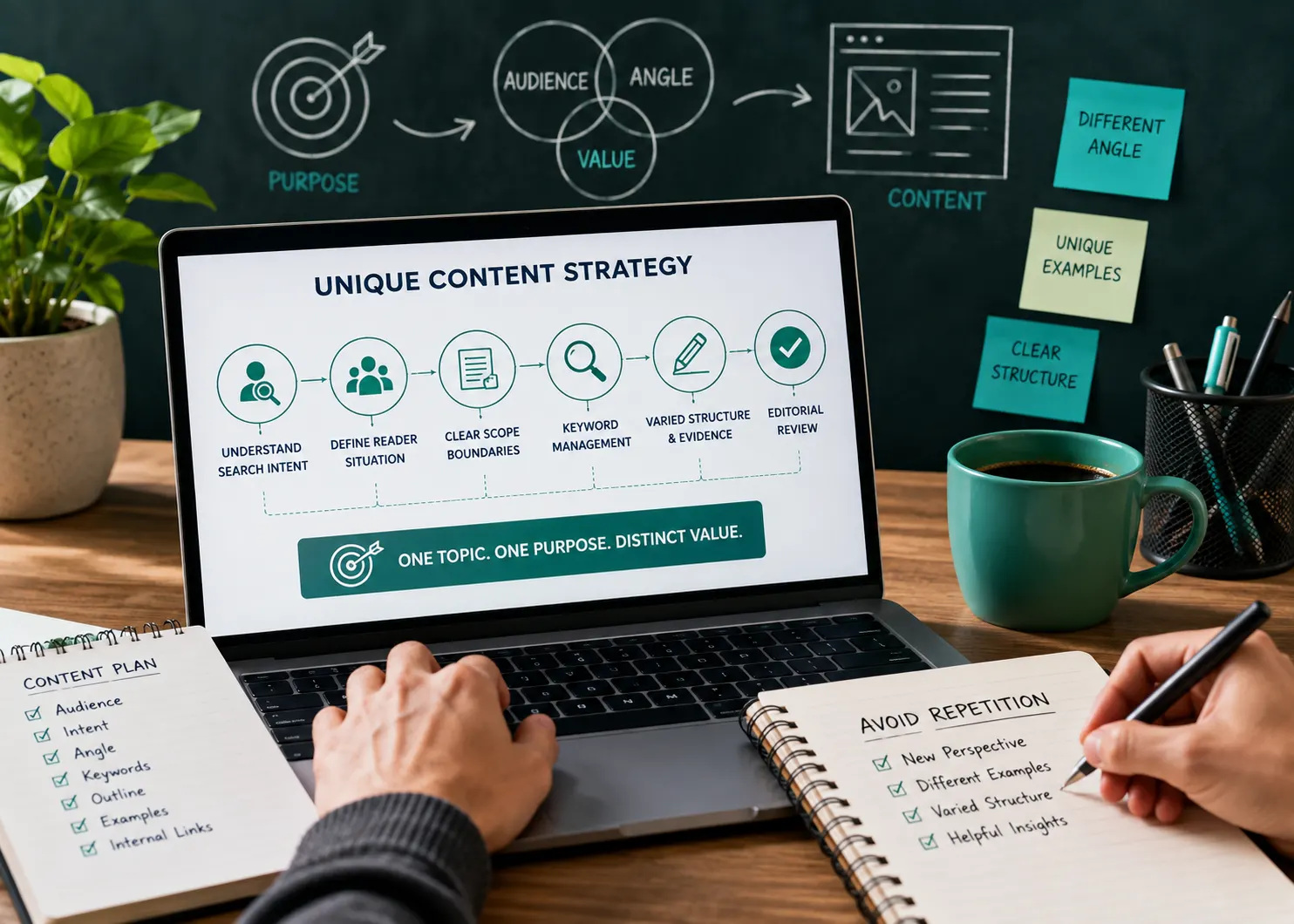
Creating multiple articles within the same niche often leads to repeated ideas, structures, and keyword overlap. This guide explains how to keep every article unique by defining clear search intent, setting topic boundaries, varying content structures, managing keyword clusters, and using diverse research sources. It also covers practical editorial workflows that help writers and content teams build a well-organized content library where each page serves a distinct purpose, improves SEO performance, and provides genuine value to readers.
Read More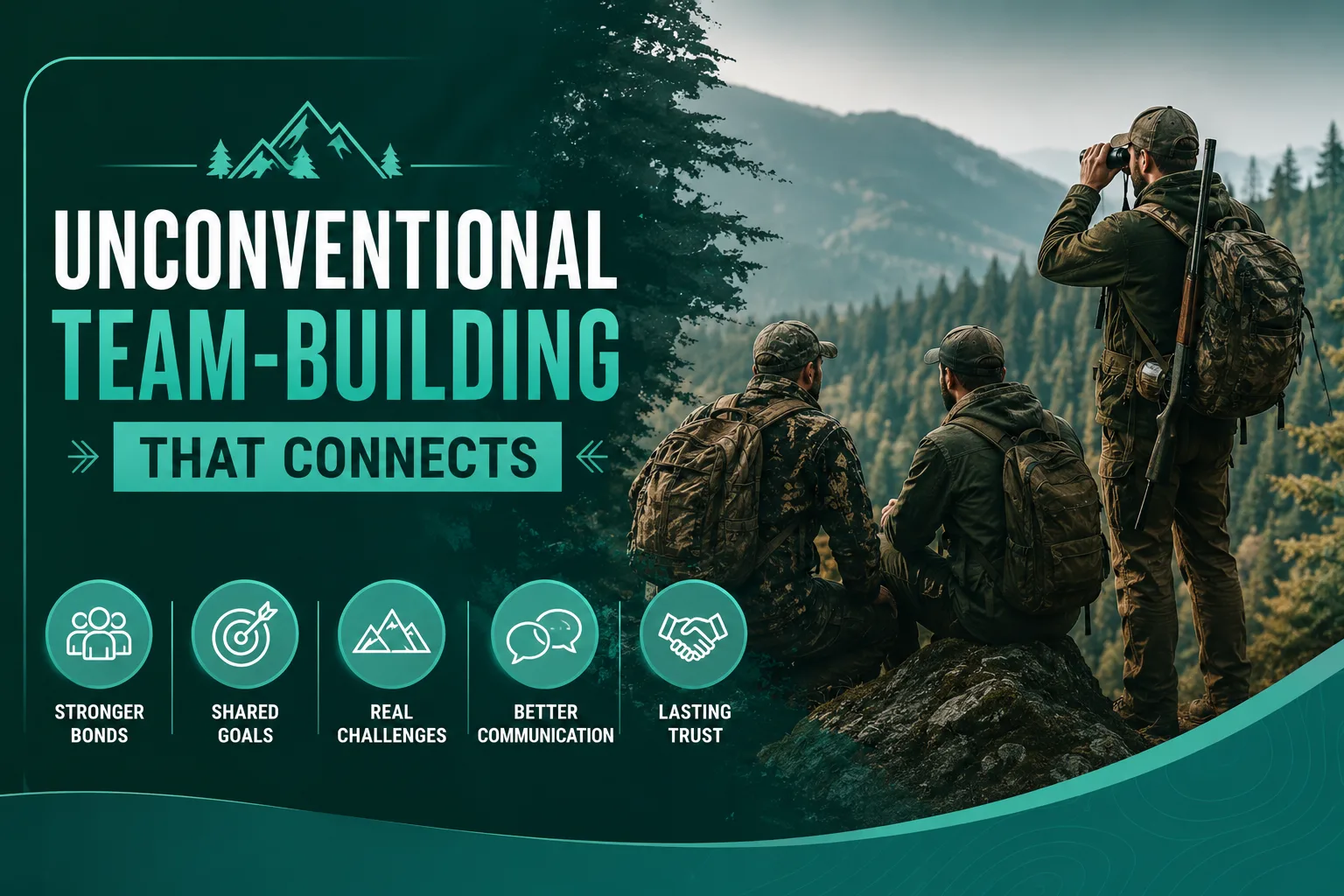
Hunting can offer an unconventional approach to team building by placing coworkers in outdoor environments where communication, trust, planning, and adaptability matter. Unlike traditional corporate activities, shared field experiences create opportunities for teams to solve practical challenges together, develop stronger relationships, and understand each other’s strengths. From documenting experiences in a hunt journal to navigating unpredictable terrain, these activities can reinforce valuable workplace skills. This guide explores how hunting-based team building can improve collaboration, break down workplace hierarchies, and create lasting team camaraderie.
Read More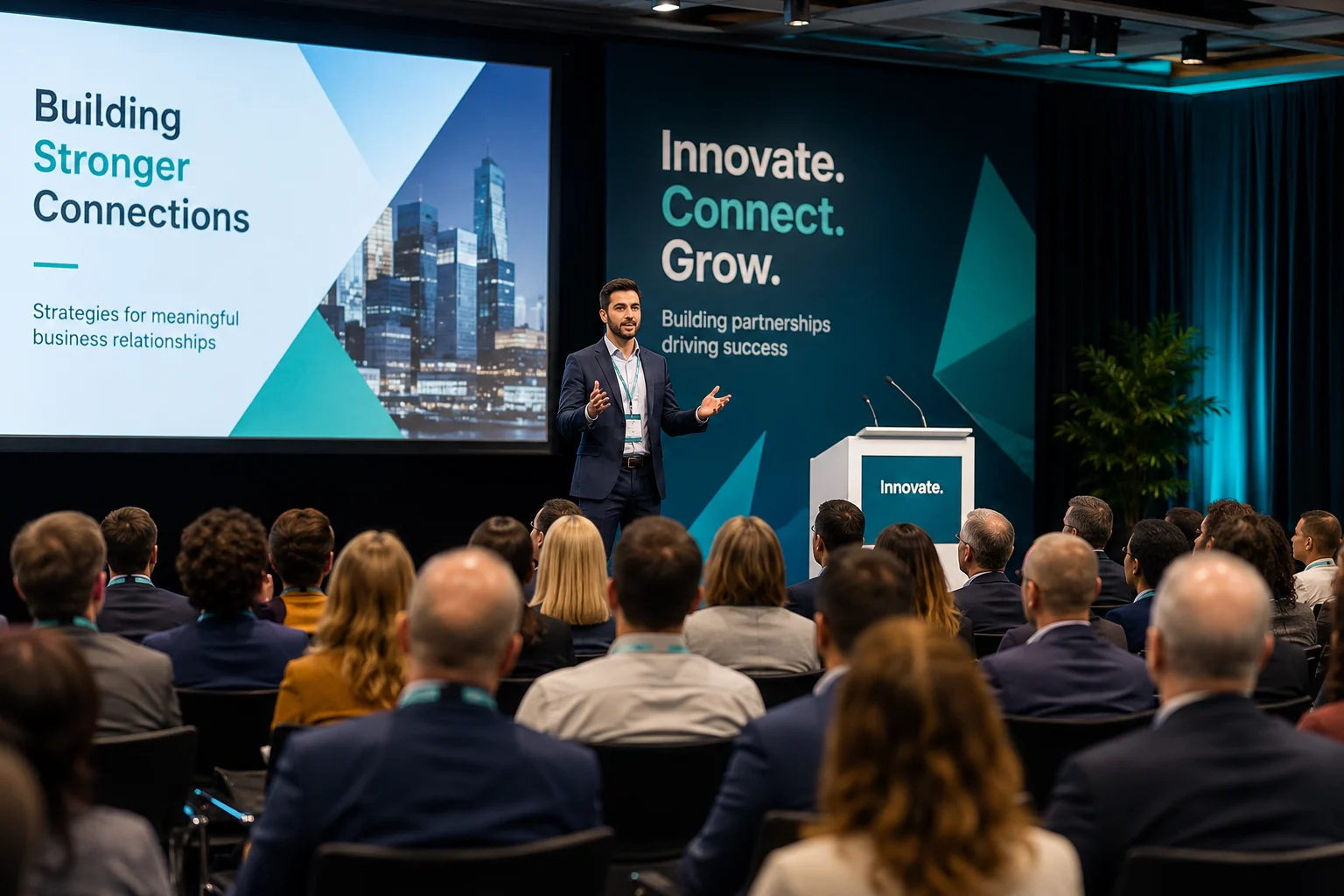
Major industry events give businesses a valuable opportunity to build visibility, connect with decision-makers, and strengthen market authority. Successful event representation requires careful planning, from defining measurable goals and selecting speakers who understand the company culture to budgeting wisely and booking talent early. Well-trained staff, interactive presentations, and consistent brand messaging create stronger attendee experiences. However, the work does not end when the event closes. Fast, personalized follow-up helps turn valuable event connections into lasting business relationships and sustainable growth opportunities.
Read MoreGet into details now? View all posts