Table of Content

- Jessica Robinson
- Sep 04,2026
Finding student resources can feel weirdly overwhelming. You search for help, and next thing you know you've got a dozen tabs open — tutoring centers, study apps, leadership programs, mental health support, a pile of "life-changing" advice that mostly just wears your browser out. A random list won't get you support that actually moves the needle. You've got to figure out what matters, what fits your goals, and what's actually worth your time.
Before signing up for anything, get specific about what isn't working. "I need help with school" doesn't really point anyone toward what to actually do. Are you missing deadlines? Struggling in algebra? Burned out? Trying to build a stronger college application?
The resources that actually help are the ones matched to a real need. Say your grades are fine but your schedule's a mess — a planner system or academic coach will likely do more for you than sitting through another round of tutoring. If you get the material but freeze during tests, stress management and test prep are probably the better bet.
Write down one or two concrete problems, plainly:
That short list becomes your filter. You can also use AI tools for academic research to find reliable information, explore topics, and organize your study process more efficiently. Skip it, and every shiny program starts looking essential — which is exactly how you end up busy without getting much done.
It's easy to pick something based on what feels comforting in the moment — a colorful app, a relaxed workshop, a nice-looking website. None of that is bad, but none of it guarantees results either.
If you're weighing leadership programs alongside academic ones, it can help to look at who's actually shaping those models. ASU Preparatory Academy, for instance, is a college-preparatory school network built around flexible learning and academic innovation, and digging into someone like Amy McGrath ASU is a useful way to see how school leadership ends up shaping student expectations and long-term academic culture.
Before committing to anything, ask yourself:
If the honest answer is "not really" on most of these, skip it. Your time has a budget, even if your calendar likes to pretend otherwise. If you're considering a technology career, researching IT companies and career opportunities can help you understand which skills and roles may be worth exploring.
Not all student help is created equal. Some of it is thoughtful, current, and built by people who actually know education. A lot of it is digital clutter dressed up with a motivational quote.
Scan for:
Treat vague promises like "unlock your full potential instantly" as a red flag, not a selling point. Real academic growth rarely looks magical — it looks like steady systems, honest feedback, and consistent effort over time. For students exploring technology-related resources, understanding artificial intelligence can also help you evaluate how AI-powered learning tools work.
A resource worth your time won't just sound impressive. It'll show you exactly how it helps, who it helps, and what you should expect.
A resource that looks great on paper can still be a terrible fit for your actual life. If it only meets during practice hours, requires an expensive subscription, or involves a commute that eats your whole afternoon, it's probably not workable — no matter how good the reviews are.
Fit is about logistics, learning style, and comfort, all at once. Some students do best in live group sessions. Others need one-on-one attention or something self-paced. Some want structure and accountability; others need flexibility to function at all.
Think through:
Also notice how you feel after using it. Supported is good. Constantly confused is not. Challenged can be productive. Chronically overwhelmed usually isn't.
You're not chasing the "perfect" resource — you're looking for one you can actually stick with without wrecking the rest of your schedule.
You don't need to marry the first study tool you download. Try things in a low-risk way whenever you can — one session, a trial week, a quick conversation with a counselor — before you build your whole routine around it.
While you're testing, pay attention to outcomes, not appearances. A sleek dashboard is nice. Actual progress is nicer.
Watch for signs like:
If you've given something a few weeks and it's adding stress without results, move on. Sticking with a bad-fit resource out of guilt doesn't help anyone — not every tool deserves a second chance.
The goal here is traction. Even small, repeatable improvements count.
Recommendations can save real time, but only if you're asking the right questions. "What should I use?" tends to get you generic, forgettable answers. Ask instead about experience, outcomes, and who the resource actually suits.
Try:
Teachers, counselors, advisors, and older students have usually seen the patterns already. They know which resources tend to actually raise grades, ease stress, or prepare students for college — and which ones are mostly academic wallpaper. If you're interested in business careers, you can also explore how AI is changing different industries and the skills future professionals may need.
Their advice won't replace your own judgment, but it can narrow the field fast. That alone can save you hours of aimless clicking.
The best student resource is the one that actually becomes part of your routine. Fancy tools mean very little if you forget they exist after four days.
Keep it simple. Pick a few resources that each serve a different purpose, and give them a set place in your week — tutoring on Tuesday, scholarship planning on Thursday, a ten-minute task review every night.
A workable setup might include:
Review the system once a month. Ask yourself what's actually helping, what's wasting time, and what needs to change.
Student success rarely comes from one dramatic breakthrough. It usually comes from choosing support carefully, using it consistently, and adjusting before small problems turn into big ones. Less movie montage, more steady groundwork — but it works a lot better in real life.
Start by identifying the specific problem you want to solve, then compare resources based on your goals, credibility, accessibility, cost, and learning style.
Look for qualified educators or specialists, clear objectives, current information, reliable contact details, and specific rather than exaggerated testimonials.
Yes. Whenever possible, try a free trial, introductory session, or short-term option to determine whether the resource actually improves your learning or productivity.
They can share firsthand experiences and help you understand which resources are effective for particular goals, student types, and learning challenges.
There is no fixed number, but keeping your system simple is usually more effective. A few resources covering academics, planning, personal support, and motivation can be enough.

Creating multiple articles within the same niche often leads to repeated ideas, structures, and keyword overlap. This guide explains how to keep every article unique by defining clear search intent, setting topic boundaries, varying content structures, managing keyword clusters, and using diverse research sources. It also covers practical editorial workflows that help writers and content teams build a well-organized content library where each page serves a distinct purpose, improves SEO performance, and provides genuine value to readers.
Read More
Python has become a leading choice for building AI-powered business applications because of its flexibility, readability, extensive libraries, and strong developer ecosystem. This article explains how Python developers combine AI, machine learning, automation, and data processing to solve practical business challenges. It explores key benefits such as faster development, cost efficiency, scalability, and adaptability. It also highlights what businesses should consider when choosing a Python development team and why experienced developers can help create reliable, scalable AI solutions that deliver long-term value.
Read More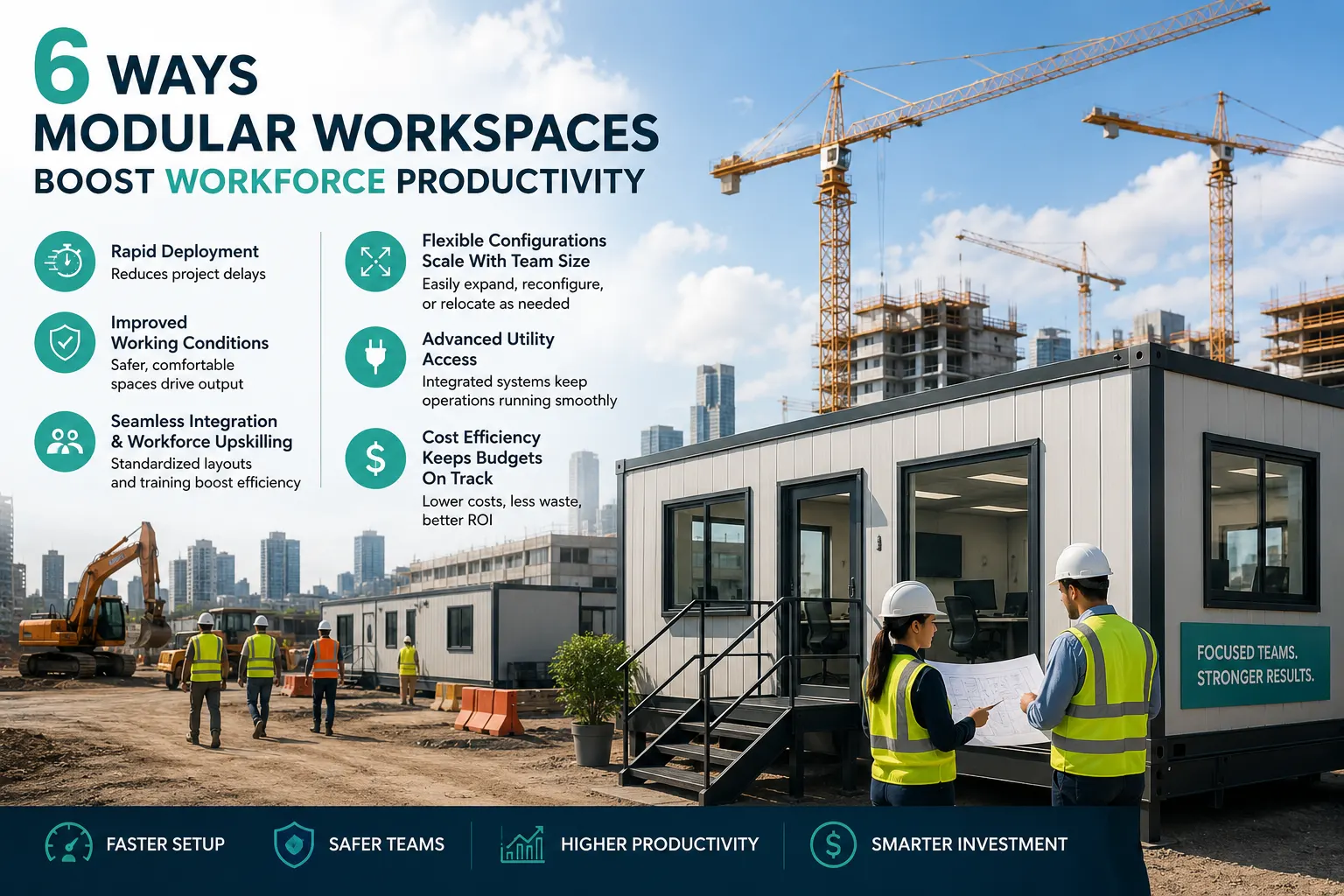
Modular workspaces help modern project sites improve productivity by providing flexible, comfortable, and efficient working environments. Their rapid deployment reduces setup delays, while standardized layouts simplify workflows and workforce training. Scalable configurations allow companies to expand or reduce space as project demands change. Integrated utilities support reliable communication, climate control, and daily operations without lengthy installation work. At the same time, factory production and reduced site disruption help control costs. Together, these benefits create productive workplaces that support project efficiency and long-term operational performance.
Read More
Home equity can become a valuable financial resource for Australians during retirement. Releasing part of a property's accumulated value can help cover living expenses, home improvements, emergencies, and future healthcare costs while allowing homeowners to remain in their familiar surroundings. Understanding borrowing limits, government support options, payout structures, interest costs, and estate considerations is essential before making a decision. Careful planning helps retirees balance immediate financial needs with long-term security, property ownership, family inheritance expectations, and overall retirement lifestyle goals.
Read MoreGet into details now? View all posts