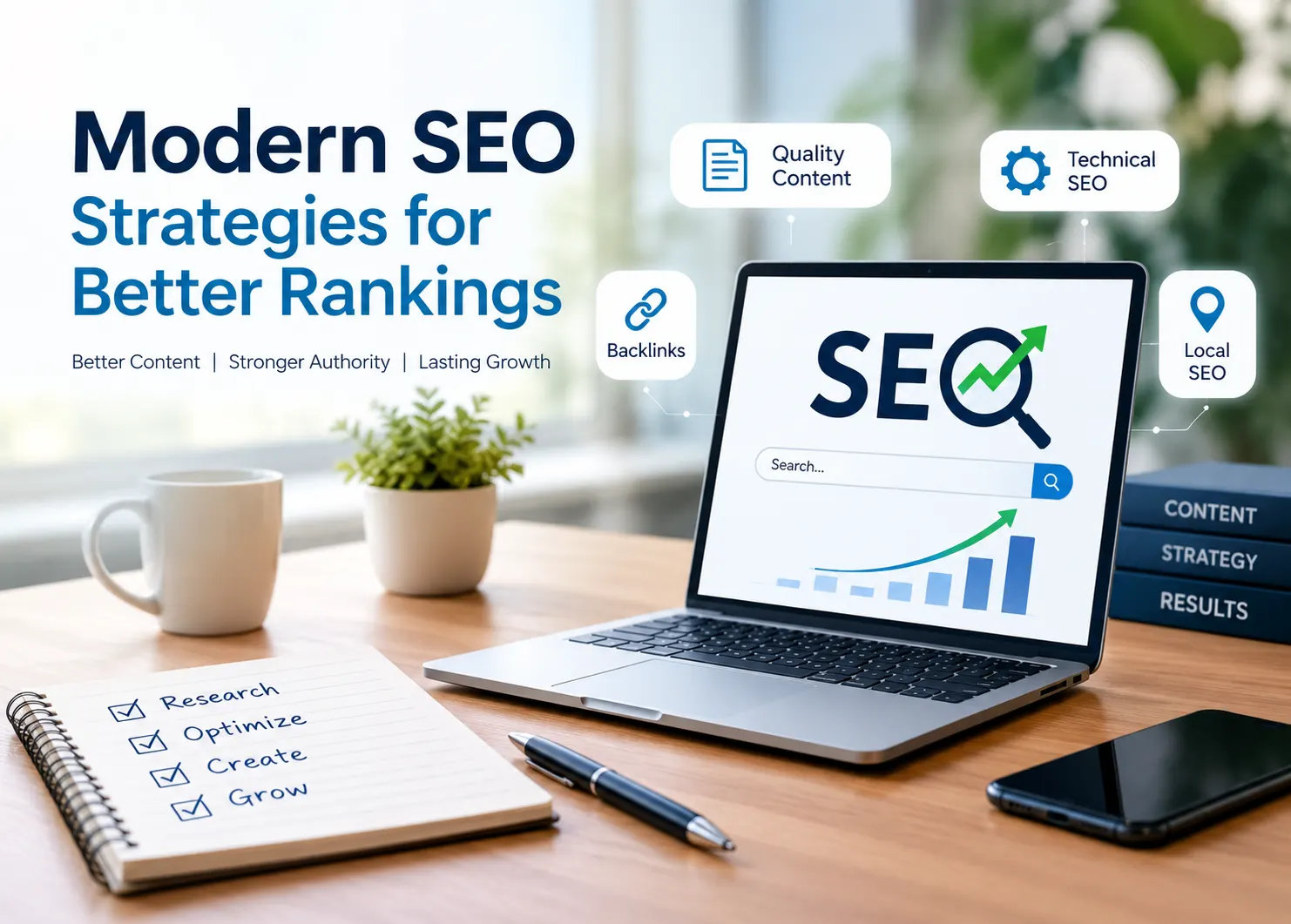
Plenty of business owners still think of SEO the way SEO worked a decade ago. Sprinkle in the right keywords, build a few backlinks, and wait for the rankings to climb. Search engines have changed dramatically since then. Businesses still relying on outdated tactics are often working hard for results that never quite arrive.
Why Old-School SEO Tactics Stopped Delivering
Search engines have shifted toward evaluating actual content quality, user experience and genuine relevance rather than rewarding pages that simply repeat a target phrase as many times as possible. Keyword stuffing, thin content built to rank and low‑quality backlink schemes that once worked can now actively hurt a site’s visibility rather than help SEO. Modern algorithms are far better at recognizing content that genuinely answers a searcher’s question versus content engineered primarily to game a formula, which means the businesses still relying on outdated tactics are often unknowingly working against their own goals.
What Actually Moves Rankings Today
Current SEO success depends on a combination of factors working together rather than any single tactic. Content quality and depth matter significantly. Pages that thoroughly and clearly answer what a searcher is actually looking for tend to outperform generic content every time. Technical site health, including page speed, mobile usability and clean site architecture affects both user experience and how easily search engines can crawl and understand a site. Backlinks still matter. The emphasis has shifted from raw quantity to earning links from genuinely relevant reputable sources rather than accumulating links indiscriminately. Current SEO success depends on a combination of factors working together rather than any single tactic. Content quality and depth matter significantly. Pages that thoroughly and clearly answer what a searcher is actually looking for tend to outperform generic content every time. Technical site health, including page speed, mobile usability and clean site architecture affects both user experience and how easily search engines can crawl and understand a site. Businesses can also use AI tools for SEO to support research, content analysis, and other parts of the optimization workflow without replacing the underlying strategy.
Why Local Search Requires Its Own Strategy
Businesses serving a geographic area face a different set of ranking factors than businesses competing nationally. Local search results draw heavily on signals like a well‑optimized Google Business Profile, consistent business name, address and phone number information across directories and customer reviews that build both trust and local relevance. A business with general SEO but a neglected or inconsistent local presence often loses out to competitors with a stronger more deliberately managed local footprint. Even if that competitor’s overall content quality is weaker in other respects.
The Role of Content Strategy in Long-Term Growth
SEO growth tends to come from a deliberate content strategy rather than sporadic disconnected blog posts published without a clear plan. This means identifying the questions and search terms a target audience is using then building content that genuinely addresses those needs in depth. Over time a well‑executed content strategy builds authority. Search engines increasingly favor sites that demonstrate comprehensive expertise on a subject over those with scattered shallow coverage of many unrelated topics. SEO growth tends to come from a deliberate SEO content strategy rather than sporadic disconnected blog posts published without a clear plan.
Why Results Take Time to Materialize
One of the common frustrations business owners run into is expecting SEO to produce fast results the way paid advertising can. Ranking improvements typically take months to materialize since search engines need time to crawl, index and evaluate new or updated content and competitive rankings rarely shift overnight regardless of how well‑optimized a page is. Setting realistic expectations upfront. And understanding SEO as a long‑term investment rather than a quick fix. Helps prevent premature judgments about whether a strategy is actually working.
Common Mistakes That Slow Down Progress
A few recurring issues tend to hold back SEO performance even when a business is investing effort: inconsistent publishing that starts strong and fades after a few months ignoring technical issues like slow load times or broken links that quietly undermine content quality and chasing every new SEO trend rather than sticking with a coherent sustained strategy. Addressing these issues often produces more meaningful improvement than chasing any single advanced tactic in isolation.
How SEO and Paid Advertising Work Together
While SEO and paid search operate differently they often work best as strategies rather than competing budget priorities. Paid advertising can generate visibility and traffic immediately while organic rankings build over time and data from paid campaigns. Which keywords convert well and what messaging resonates. Can directly inform content strategy. Businesses that treat these as separate efforts often miss opportunities to let insights from one channel strengthen performance, in the other.
What to Expect From a Well-Run SEO Strategy
A well‑executed SEO strategy one made for Salt Lake City, Utah businesses should give clear reports on rankings, traffic and conversions. It must not promise vague "improvement." Regular communication about how the plan's tweaked, based on real data instead of guesses shows a strong long‑term partnership. Those who keep it simple and avoid tricks that sound new are the ones who truly deliver.
Questions Worth Asking Before Hiring an SEO Partner
Not every agency treats SEO the same way so it is smart to ask a few direct questions before signing with anyone. What exact metrics will be tracked? How often will the reports be sent? Can they explain their content and technical strategy in language not in confusing industry jargon? Do they steer clear of tactics that could lead to a penalty, such as paid links or duplicate content schemes? How do they react when a strategy does not bring the expected results, do they adjust based on data. Do they keep the same approach forever? Clear specific answers to these questions help separate a capable partner from one that relies on old promises that no longer fit today’s search algorithm. Effective SEO today looks nothing like the keyword‑stuffing tactics of a decade ago. It requires real content quality, solid technical health and a deliberate long‑term plan. Businesses that invest in this type of approach will see more lasting results, than those chasing quick fixes that have lost their power.
Read More Blogs On: