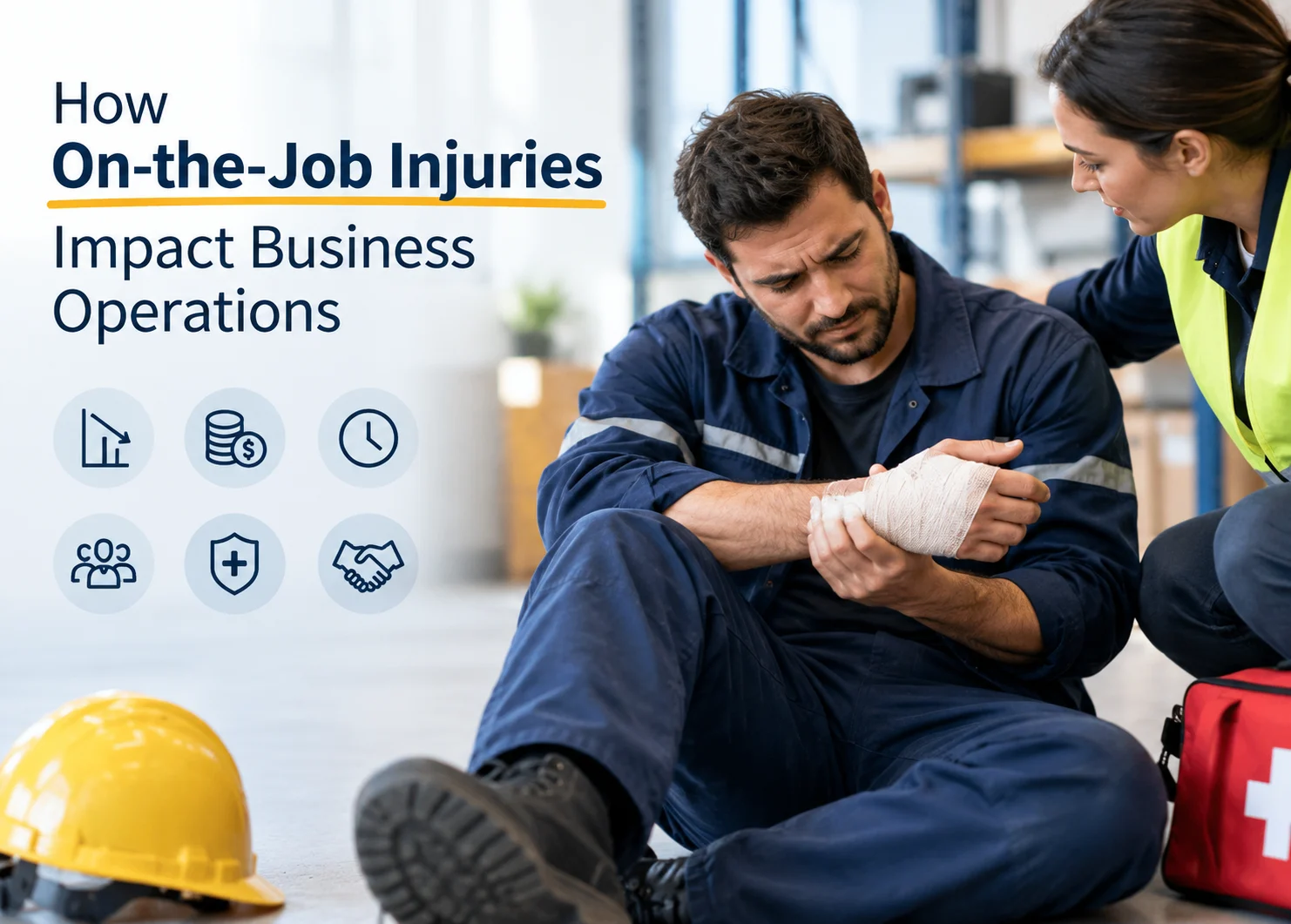
Injuries on the job are one of those unexpected and extremely inconvenient situations that can happen to a company. It is a kind of event that causes negative consequences not only for the person who got injured but for the whole team. When a certain company faces disrupted organization of work and unexpected expenses, it often results in decreased productivity that requires an essential, proper, and fast reaction. Most importantly, when an on-the-job injury happens, the safety measures of a certain company are questioned afterwards, which is one of many important factors that can significantly impact the flow of business operations.
What Happens When a Certain Employee Becomes Unable To Work?
In normal circumstances, every company has this established, balanced, and smooth workflow that gets disrupted the moment only one employee is forced to step away due to an injury. Depending on the severity of the injury, these kinds of “days off’s” usually last long enough to completely disrupt the company's productivity. With each day, the pressure grows, and its intensity increases among the other team members and managers as well. All of a sudden, remaining employees are getting additional tasks to complete, and managers are postponing deadlines for unfinished projects. In such situations, it can be helpful for companies to consult with resources such as Commonwealth Law Group in Richmond and learn about the legal and procedural side of workers’ compensation claims. Such consultation will effectively protect both the injured employee and the company, preventing possible misunderstandings and escalations of the event in the future.
Problem Begins When Short-Term Solutions Last for Weeks or Months
The secret to every successful company is a united team that does their work with enough ambition, motivation, and enjoyment. When an employee or more of them get injured and need to be absent for a longer period, the harmony of the teamwork may become disrupted, which will directly impact the workflow and the final outcome. Additional tasks for a longer period may become a burden and cause frustration among the employees, and HR teams may become extra tired because of the additional leave procedures, documentation, or staffing arrangements. Additional tasks in the long-term can negatively impact the company’s expenses and employees’ mental health, which is why this strategy only works in the short term.
- Increased management overhead as managers spend more time delegating tasks among the employees to effectively cover the gaps.
- Lower employee engagement due to burnout or possible doubts caused by a colleague's injury.
- Reduced output quality can happen because the need for fast reactions sometimes increases the chances of mistakes.
- Delayed project delivery can happen, especially when specialized roles or decision-makers are absent due to an injury.
- Weakened employer reputation is highly possible after such an event. How a certain company handles the injuries influences its standing with current staff and future candidates.
- Higher long-term costs.
- These effects can quickly reduce workforce productivity, particularly when remaining employees have to absorb additional responsibilities for an extended period.
The Actual Cost To The Company
When an injury on the job occurs, it’s not only the medical bills of the injured that need to be covered. As we previously mentioned, disrupted productivity leads to some major consequences, and among them are paying the team for the extra work they are doing to fill in gaps, dealing with certain financial losses due to unbalanced workflow, or unexpected repair expenses - if they are the cause of the injury in the first place. In some situations, companies may need to invest in organizing additional safety training for employees to reduce the possibilities of injuries on the job happening again.
Leading With Empathy: The Only Right Response
Injuries on the job can happen, despite all the safety measures that are being taken. One thing that truly matters is how the company responds in such a situation. When an employee is injured, the company needs to contact this individual as soon as possible and show true interest in their well-being, help as much as possible, and, most importantly, show compassion and empathy.
To rebuild shaken trust with other team members, partners, or customers, every company needs to take action and take necessary measures to ensure such an event won’t happen again. Provide your employees with necessary support. A genuine and supportive response reassures the wider team that they too would be taken care of if a similar situation happened to them. To rebuild shaken trust with other team members, partners, or customers, every company needs to take action and take necessary measures to ensure such an event won’t happen again while keeping employee wellbeing at the centre of its response.
An injury on the job can be considered some kind of a test that shows operational resilience and reflects the leadership of a certain business. When a company responds with compassion, empathy, good strategy, and puts every value in the place it belongs, the negative consequences will be significantly reduced, and workflow balance will be re-established in no time. At the end of the day, success is all about being fair and kind to the people who are standing behind it.
Read More Blogs On