Table of Content
- Kiara Miller
- Aug 13,2026
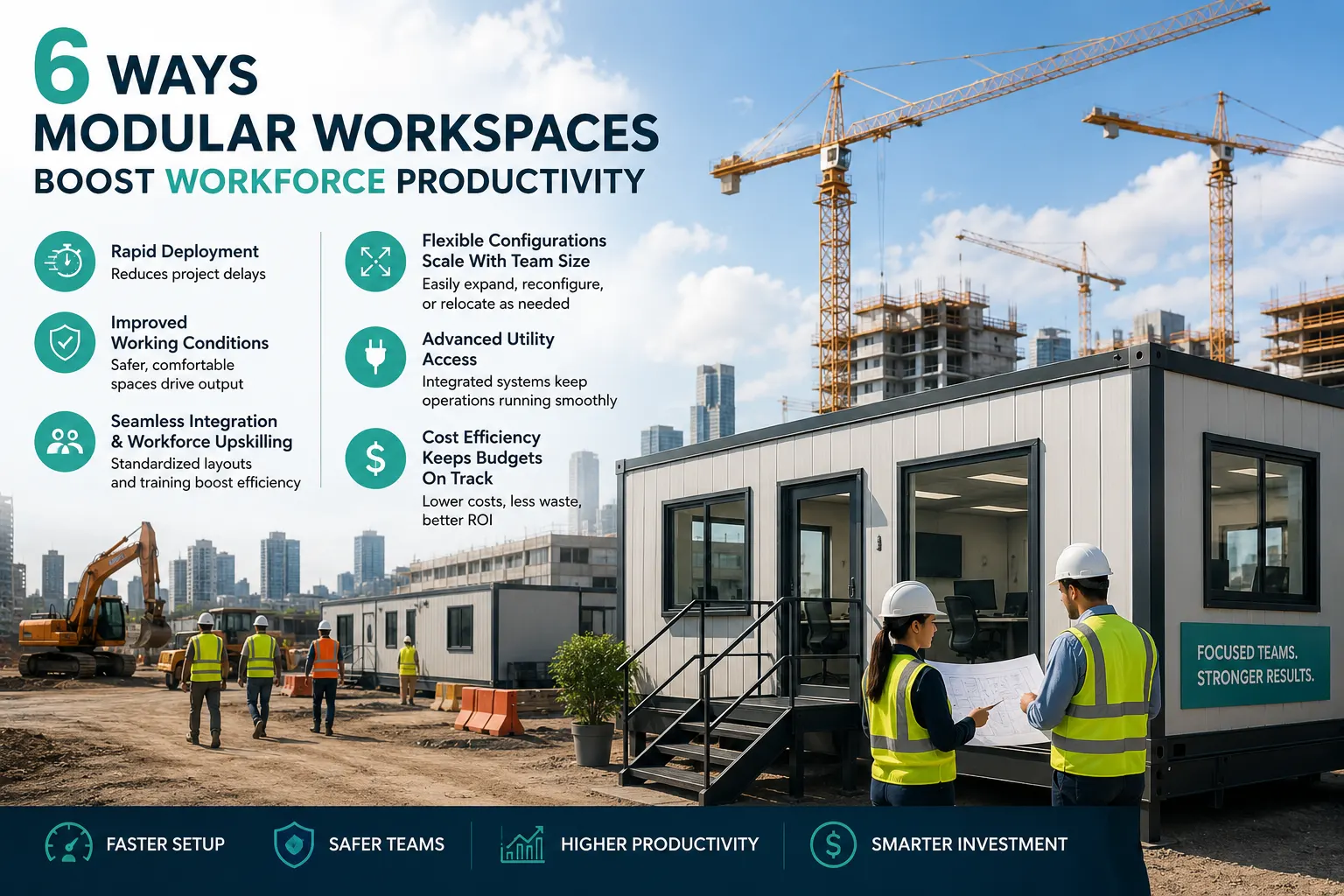
Modern project sites require flexible infrastructure that adapts to changing field conditions. Traditional construction often creates unwanted downtime that hinders daily workflow and output. Modular offices offer clean, customizable layouts that keep operations running smoothly. These adaptable units help managers protect project deadlines and keep team members focused on daily targets.
Fast installation keeps job sites running smoothly without losing precious work days during setup. Operational teams often consult a trusted workforce housing provider when setting up remote job site accommodations. Quick assembly allows crews to focus directly on core operations from day 1.
Pre-engineered structures arrive ready for immediate connection to existing utility lines. Site managers spend less time organizing foundation pours and building inspections on location. Projects maintain steady momentum right from the beginning of the assignment.
Unpredictable weather can halt traditional building efforts for weeks at a time. Off-site construction happens inside controlled factories where delays rarely occur. Completed modules land on site ready for fast assembly regardless of rain or snow.
Minimizing setup times reduces labor costs linked to temporary site preparation. Crews move straight into comfortable working areas without waiting on multi-month construction timelines. Efficiency gains show up in weekly output metrics across the board.
Modern off-site construction setups create cleaner and safer working conditions for site personnel. A government construction report noted that adopting modular practices creates measurable gains in schedule predictability, worker safety, and baseline productivity. Safe working environments keep team morale strong throughout long projects.
Proper insulation and noise dampening shield employees from surrounding site machinery. Workers concentrate on complex tasks without constant background noise interference. Lower stress levels directly correlate with fewer daily errors.
Ergonomic spatial planning gives workers room to move and store equipment safely. Clear walkways eliminate trip hazards that plague standard temporary structures. Clean workspace layouts keep daily traffic moving efficiently.
Comfortable indoor temperatures help staff maintain focus during hot summers or freezing winters. High HVAC standards prevent energy drains caused by harsh weather conditions. Employees produce steady results when physical strain remains low.
Introducing new spatial layouts requires targeted training so staff adapts smoothly to updated factory lines. An energy department report indicated that workforce development allows teams to transition into high-efficiency setups without impacting throughput. Structured guidance turns new facility designs into immediate operational wins.
Standardized building modules make it simple for teams to replicate workflows across multiple sites. Workers moving between job locations find identical office layouts that eliminate orientation periods. Familiarity speeds up daily administrative tasks and team communication.
Training modules help supervisors optimize space management for max output. Teams learn how to arrange desks and equipment to shorten movement paths. Smart layouts turn every square foot into useful workspace.The team over at OutOnSite advises operational managers to continuously assess physical workflows and gather feedback from staff on floor plan bottlenecks. Implementing these targeted spatial adjustments ensures that day-to-day operations remain fluid while boosting overall workplace efficiency.
Project headcount often expands during peak production phases before scaling down later. Modular structures stack or connect side-by-side to expand capacity on short notice. Managers adjust site footprints without committing to permanent structures.
Adding extra meeting rooms or individual workstations requires minimal structural work. Simple panel adjustments create new private offices within hours rather than weeks. Rapid customization prevents overcrowding in administrative spaces.
When projects finish, modular units detach cleanly for transport to new job locations. Reusing structural components cuts material waste across multiple company initiatives. Capital investments continue providing value across future job assignments.
Scaled structures prevent crowded conditions that hinder administrative duties. Staff members perform better when given personal space for tasks requiring intense focus. Scalable space supports growth without disrupting daily operations.
Factory-built structures arrive with pre-installed electrical, plumbing, and communication lines. On-site contractors simply hook up main supply lines to start using the facility. Plug-and-play utilities save days of complex wiring and plumbing work.
Built-in high-speed data cabling delivers instant internet connectivity for site supervisors. Real-time reporting stays on schedule without reliance on temporary wireless hotspots. Reliable communication keeps remote teams connected to central corporate offices.
Integrated climate controls maintain precise temperature and humidity levels inside every unit. Energy-efficient heating and cooling systems keep operational costs predictable throughout the season. Balanced interior air quality keeps workers alert and energized.
Streamlined utility access cuts down on emergency repair calls and maintenance delays. Standardized wiring systems allow quick troubleshooting if equipment issues arise. Maintenance staff resolve facility problems without pausing general work activities.
Short construction timelines translate directly into lower interest expenses and reduced overhead. Money saved on site setup can fund advanced tools and safety equipment. Financial predictability keeps project managers within assigned operating budgets.
Factory manufacturing cuts material waste by applying exact cutting measurements indoors. Bulk purchasing of building materials lowers the baseline expense for each module. Savings flow directly into company bottom lines.
Reduced site disruption means surrounding operations continue uninterrupted during assembly. Heavy machinery deployment stays brief, lowering rental equipment costs. Streamlined setup logistics protect total project profit margins.
Predictable building costs shield organizations from material price spikes during construction. Fixed manufacturing contracts secure accurate pricing early in project planning phases. Financial stability lets management allocate capital toward core business growth.
Adopting modular workspaces gives organizations a competitive edge through speed, safety, and physical flexibility. Clean layouts and rapid setup allow field teams to achieve high productivity levels straight away. Investing in scalable office solutions protects budgets while delivering comfortable working environments for field staff. Flexible spaces remain a smart strategy for forward-thinking project leaders across all industries.
Modular workspaces reduce setup delays, provide comfortable working conditions, simplify workflows, and give teams access to organized spaces designed around their operational needs.
Because modules are largely manufactured off-site, installation can be significantly faster than traditional construction. Units can arrive ready for connection to existing site utilities.
Yes. Modular units can be connected, stacked, reconfigured, or relocated as project requirements change, allowing businesses to expand or reduce workspace efficiently.
Modular workspaces can include pre-installed electrical systems, plumbing, communication infrastructure, internet connections, HVAC systems, and climate controls, depending on project requirements.
They can reduce costs through faster installation, lower site preparation requirements, reduced material waste, predictable manufacturing expenses, and the ability to reuse modules across multiple projects.
They can provide improved insulation, noise reduction, climate control, ergonomic layouts, organized storage, and clear walkways, helping employees work comfortably and maintain concentration.
Running a business website requires constant upkeep, including security patches, backups, and performance tweaks. For busy entrepreneurs, managing these tasks in-house steals valuable time and focus from core business activities. Outsourcing web maintenance to specialized professionals ensures consistent updates, rock-solid security, fast loading speeds, and optimal user experience. By handing over complex technical tasks to expert teams, companies prevent burnout, boost workforce productivity, protect their brand reputation, and eliminate the high cost of hiring full-time in-house developers.
Read More
Business technology solutions are transforming how organizations connect people, systems, data, and customers. Modern businesses can move from disconnected platforms to coordinated systems that improve efficiency, predict demand, and deliver better customer experiences. Cloud infrastructure, cybersecurity, artificial intelligence, machine learning, and collaboration tools form the foundation of a future-ready business. At the same time, technology should remain human-centric by supporting employee productivity and wellness. With strong security practices and strategic technology partnerships, businesses can build smarter operations, respond to change faster, and create meaningful connections in an increasingly digital and connected future.
Read More
AI tools are changing how brand and marketing teams create content, manage campaigns, automate workflows, and maintain brand consistency in 2026. From AI-powered visual creation to brand strategy, marketing automation, content generation, and social media planning, the right platforms can help teams work faster and more creatively. This guide explores five leading AI tools: Krea.ai, Brand.ai, Zapier, Jasper, and Buffer. Each platform offers different features and benefits for marketers, agencies, brand managers, and businesses. Comparing their capabilities can help teams choose the right AI solution for their marketing goals.
Read More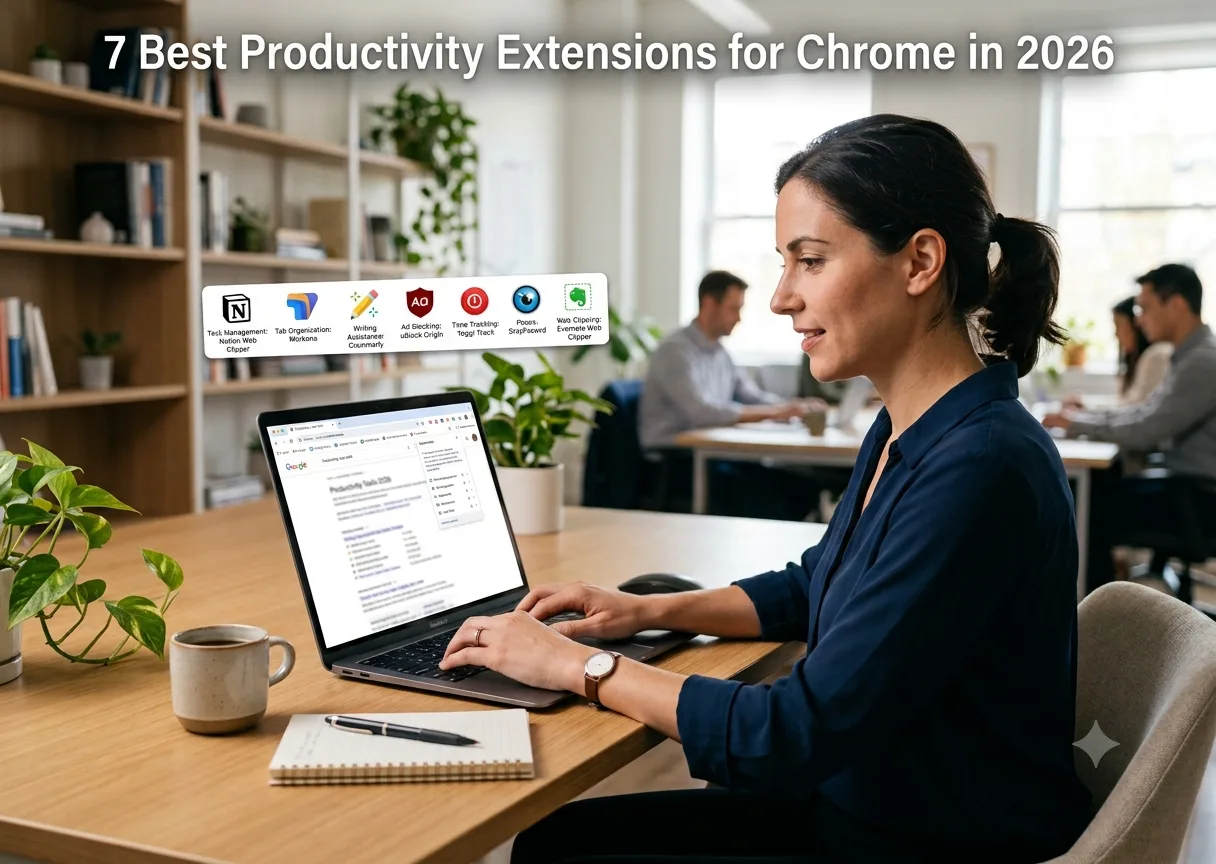
This guide explores the best productivity extensions for Chrome in 2026 and how they can improve everyday browser-based work. It covers tools for task management, tab organization, writing, distraction-free browsing, time tracking, focus, research, communication, text automation, and documentation. Each extension is evaluated based on its practical use, workflow benefits, setup requirements, free and paid features, privacy considerations, and ideal users. Whether you're a student, freelancer, writer, marketer, researcher, or remote professional, this guide can help you choose Chrome extensions that solve specific productivity problems without adding unnecessary browser clutter.
Read MoreGet into details now? View all posts