Table of Content

- Jessica Robinson
- Sep 03,2026
You’ve just graduated from high school. Everyone else in your class already knows what their next step is, but not you. Should you go straight into college, get a job to gain some useful experience, or take a gap year?
If you don’t have a clear answer, you’re not alone. According to a 2024 New York Post article, only about 50% of high school graduates intend to attend a four-year university program. Others have quite different plans.
So, how do you figure out your next plans before your parents start giving you that “so… any plans yet?” look?
Read on to find out.
After four years of high school, that was all about deadlines, classes, and exams; it’s okay to feel a little lost once you no longer have that routine that you’re used to. That’s quite understandable.
It’s also understandable if you’re not ready to jump into college or get a job yet. Some people just want to take things easy at home, maybe travel, basically just spend some time figuring things out.
That’s what taking a gap year after high school is all about. You wouldn’t be the only person taking one, either. In 2023, about 2.6% of public high school graduates decided to take a gap year, so this is definitely a good option.
While other people may call it “wasting your time”, a gap year gives your brain and your heart the chance to catch up with the rest of your body. The few months of rest don’t make you lazy; rather, they give you the chance to breathe, reflect, and make better choices.
Here’s the thing: there’s no “one right path” after leaving high school. You may know people who went straight to college or university. You may also have friends or family members who started work after high school.
There are also people whose idea of the next step is to take a vocational course or do an internship. The point is, you have lots of options after high school. Let’s look at the popular ones.
If you’re the kind of person who has a clear picture of what you want to do in the future, and you need a degree for it, then get a university education. Of course, this mustn’t happen immediately. You can still take a few months to catch your breath, but a college or university degree will give you the foundation for the future you have in mind.
If you’re interested in healthcare, for example, doing undergraduate courses in nursing might be it. After a few years as a registered nurse, you can decide to take things further by doing an MSN-FNP program online.
An online Master of Science in Nursing-Family Nurse Practitioner would give you the skills to treat patients across the lifespan in a modern world, according to Felician University.
If you enjoy working with your hands, maybe you’ve spent some holidays helping your uncle over at his garage, or your mom in her pastry shop. Then you may want to consider going the vocational or technical programs route.
There are just so many options for you if you choose this route, including a career in the culinary arts, construction, electrician, plumbing, fashion design, and so much more. If you’re eligible, you may even be able to get financial aid to handle tuition, learning materials, and more.
If you’re not in a hurry to go to any kind of school and would rather not stay home idle, then getting a job is a great idea. You will not only be gaining experience that’ll stand you in good stead in the future, but you’ll also be making a bit of money, so you don’t have to always ask your parents.
Again, you’ll not be alone in this approach. According to the U.S. Bureau of Labor Statistics (BLS), out of the 3.2 million youth between the ages of 16 and 24 who graduated from high school in 2024, 41.2% are employed or looking for work. That’s more than 1,3 million young people, so you see, early work experience for teens is quite a popular option.
If you choose this route, you can either apply for an internship at an organization you admire or look for a part-time job, maybe in the fast food industry or something similar.
Finally, why not consider volunteer opportunities for students? You might not think much of this option at first, but it’s a very smart way to gain skills that would come in handy in the future. Even better, you get to meet people and build a solid network that many of your classmates may not have access to.
An important part of volunteering that not many people know about is that it actually matters on college applications. Volunteering demonstrates to colleges that you have strength of character, leadership qualities, and commitment to your community. All of these can up your chances of securing a spot in the school of your choice.
Life after high school doesn’t have to be a race. Sometimes, catching your breath and taking time to consider your next move can be the right choice. Hopefully, this article has shown you some of the career options for high school graduates that are open to you. Before deciding, be sure to consider your interests, talk with your family members, and if needed, get advice from your school counselor.
Common options include attending college or university, taking a gap year, pursuing vocational or technical training, getting a job, completing an internship, or volunteering.
A gap year can give students time to rest, reflect on their goals, gain experience, travel, or explore career interests before committing to further education.
Not necessarily. Students should consider their career goals, interests, finances, and readiness before deciding whether immediate college enrollment is the right choice.
Yes. Vocational and technical programs can provide practical training for careers such as culinary arts, construction, electrical work, plumbing, and fashion design.
Yes. Early work and volunteer experience can help graduates develop transferable skills, build professional networks, understand workplace environments, and explore potential career paths.
.webp)
A strong customer experience strategy goes beyond simply offering quality products or services. Businesses must understand the customer journey, identify pain points, use technology thoughtfully, and continuously learn from customer feedback. Mapping interactions, analyzing surveys and reviews, understanding customer needs, and delivering personalized experiences can help companies create smoother and more meaningful interactions. When these efforts remain consistent across every touchpoint, customers feel valued and understood. Ultimately, an effective customer experience strategy can strengthen satisfaction, build trust, encourage loyalty, and create long-term relationships.
Read More
Moving abroad as an international student brings exciting opportunities, but adjusting to a new country can also feel overwhelming. From navigating unfamiliar streets and managing academic responsibilities to making friends and controlling your budget, everyday challenges require preparation. This guide shares practical tips to help international students settle into their new environment with confidence. Learn how to stay connected, build a social network, manage finances, create a comfortable home, and balance studies with personal well-being while making the most of your international experience.
Read More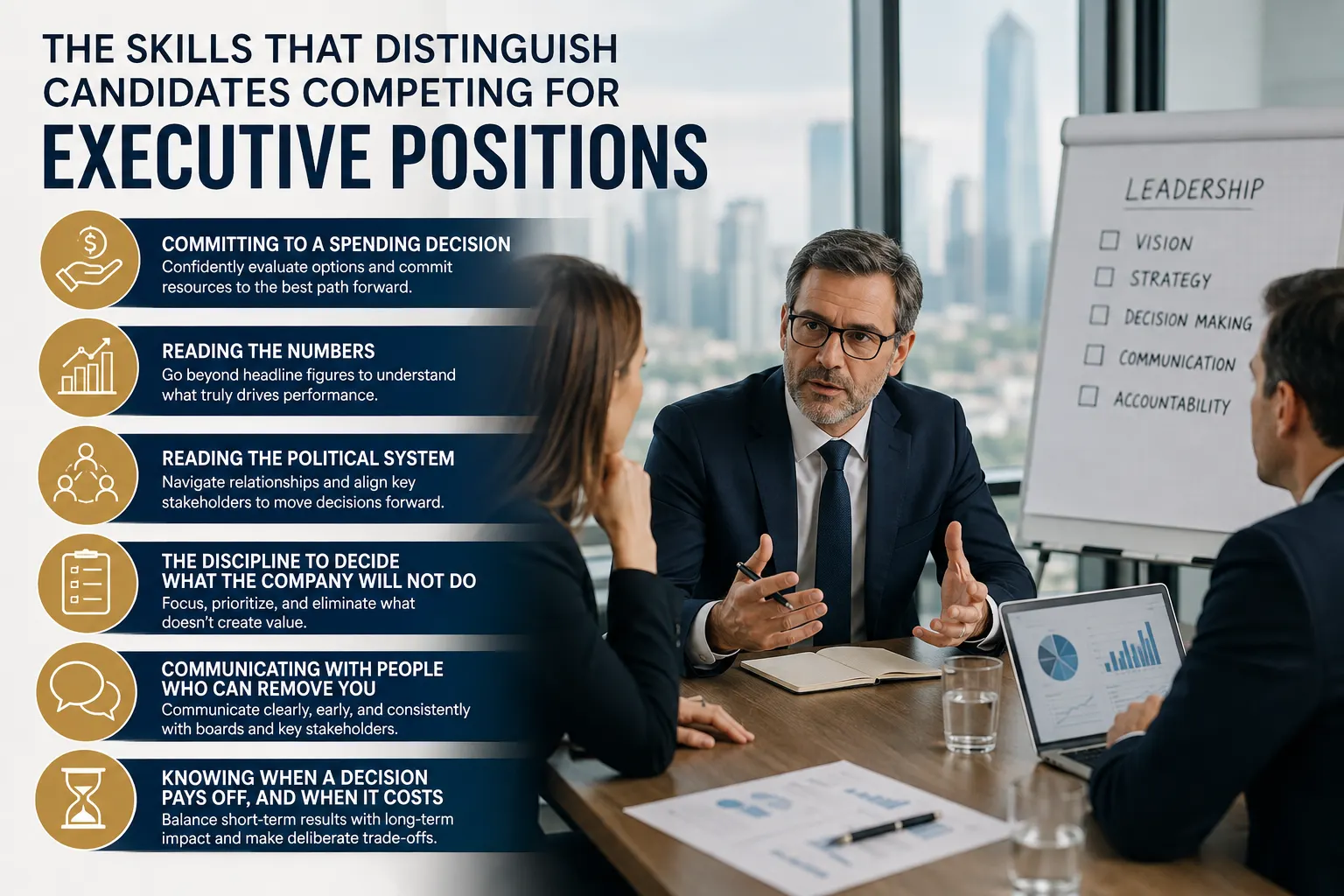
Executive positions require more than extensive experience or strong functional expertise. The candidates who stand out demonstrate the ability to make difficult spending decisions, understand financial statements, navigate organizational dynamics, prioritize what matters, and communicate effectively with boards. They also show discipline in deciding what the company should stop doing and understand the long-term consequences of short-term choices. These skills reveal how a leader thinks when information is incomplete and pressure is high. By developing financial, strategic, political, decision-making, and communication skills, senior managers can become stronger candidates for executive leadership roles.
Read More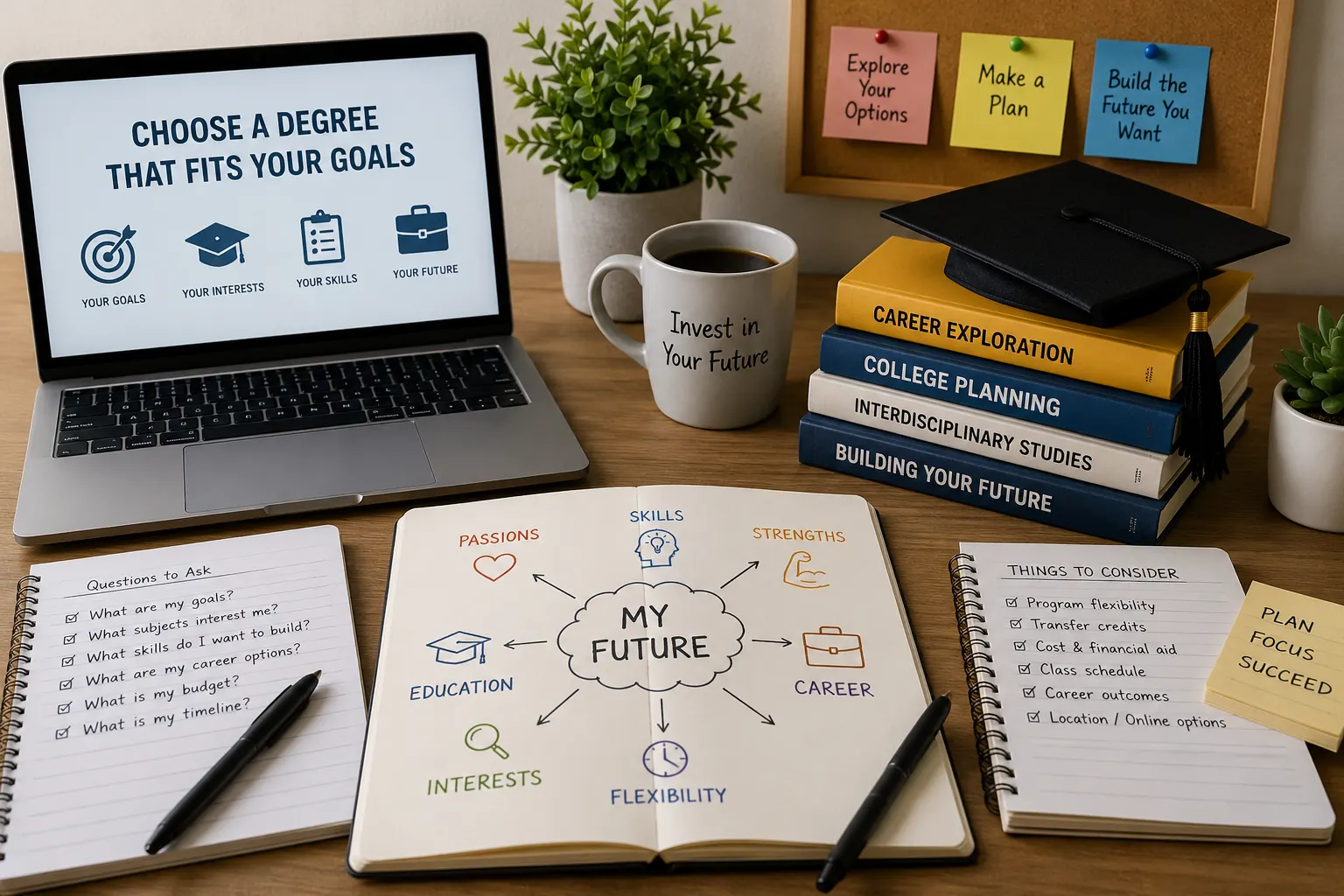
Choosing the right degree path requires more than picking a popular major or following a familiar career route. Students should consider their goals, existing college credits, interests, skills, schedule, career opportunities, and overall education costs before enrolling. Flexible programs can be especially useful for adult learners, working professionals, transfer students, and those with interests across multiple academic areas. It is also important to evaluate how coursework connects to real-world skills and job requirements. By comparing programs carefully and allowing room to change direction, students can choose a degree that fits both their current needs and future goals.
Read MoreGet into details now? View all posts