Table of Content
- Jessica Robinson
- Aug 14,2026
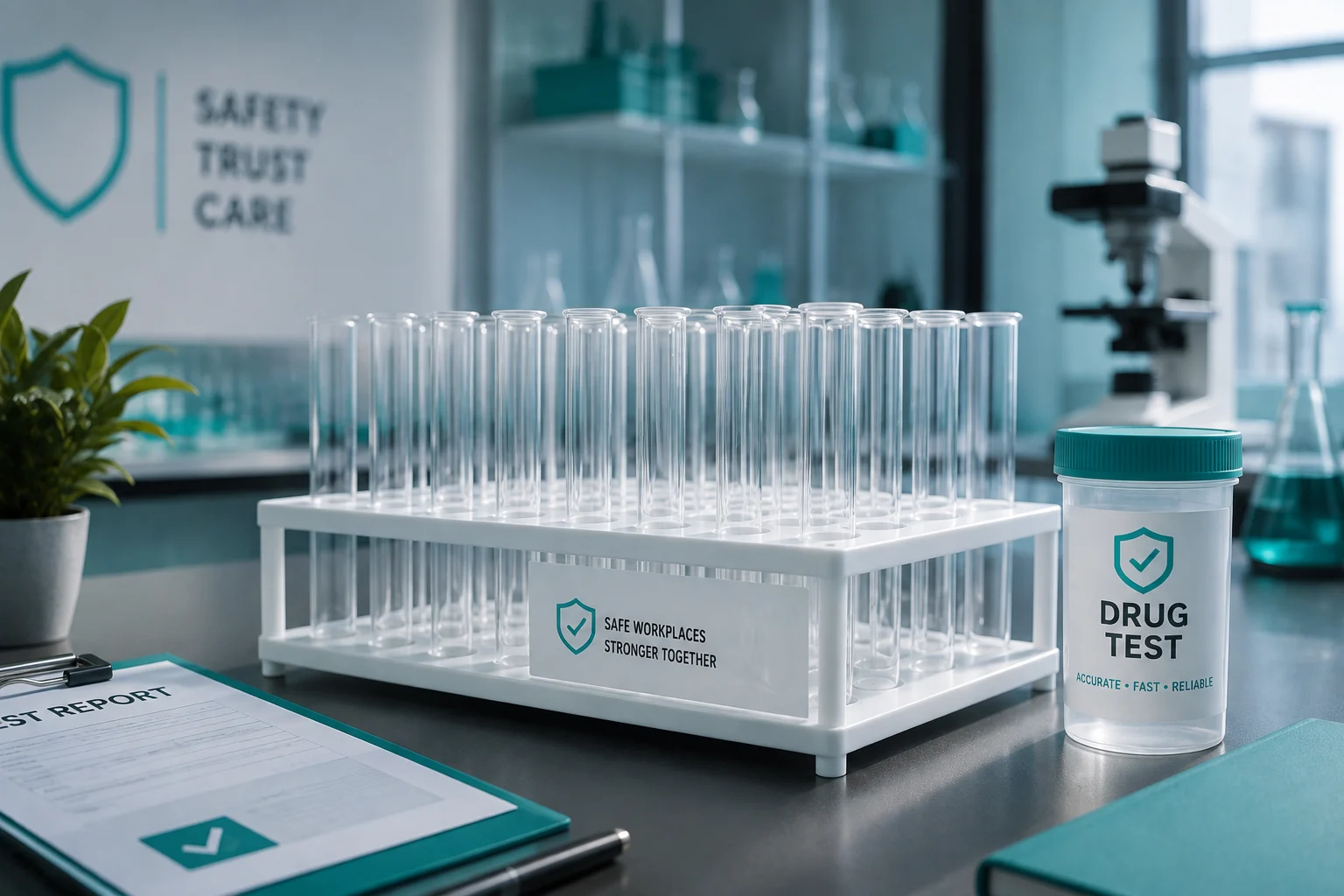
Drug testing can stir up strong feelings, no question about it. But when you cut through all the arguing, the core purpose is pretty simple: it stops accidents before they happen, gets people looking out for one another, and improves the odds that everyone walks out in one piece when the shift wraps up.
Think about the folks who operate bulldozers, spend twelve hours on the highway, or make split-second decisions that can mean the difference between a routine day and a catastrophe. There is simply no wiggle room. One beer too many, or one hit of something, can dull reflexes, cloud thinking, and mess with coordination. One wrong move on a loading platform or at the wheel of an eighteen-wheeler can rip families apart and leave coworkers carrying guilt they never shake off. Testing makes sure nobody steps into a role they are not fit for. The message is blunt but true: staying sharp and steady is not optional when others are counting on you.
Someone who shows up impaired is putting everyone around them at risk too. A solid testing program helps companies cut down on workplace incidents, plain and simple. Fewer accidents mean fewer injury claims, lower insurance bills, and less downtime from investigations and broken equipment. Having a clear testing policy shows that the employer took reasonable steps to prevent harm, which matters if things ever go to court. And with today's instant drug testing solutions, issues can be addressed on the spot. Quick results mean quick decisions, which reinforces just how serious the company is about keeping everyone safe.
When a company tests fairly and consistently, people take notice. Everybody answers to the same rulebook, and that goes a long way. Employees feel better knowing their coworkers are held to the same standards, and that shared sense of accountability makes the whole place feel more honest and secure. There is a compassionate side to this too. Sometimes a test catches someone who has been quietly struggling. Instead of showing them the door, the company can step in with counseling and support programs. When it is handled right, testing stops feeling like a threat and starts feeling like part of a workplace that actually cares about its people.
Checking someone when they first apply for a job only captures one moment in time. A genuine safety net stretches further, covering what happens after an accident or when something seems off. Picture this: there is a crash, or someone gets hurt on the floor. Testing right then can help figure out if impairment was a factor. It can also clear somebody who was not at fault. When a person is showing obvious signs, reasonable suspicion testing gives supervisors a fair and documented way to respond. These are the messy, uncertain situations where a well-thought-out policy truly proves its worth. It is about treating people decently while holding the line on a basic truth: nobody should have to work where safety takes a backseat.
For a lot of companies, drug testing is law. Transportation, aviation, healthcare, and defense all answer to federal agencies with strict requirements. Ignoring those rules can bring heavy fines, lost licenses, or even a complete shutdown. But it goes beyond just checking boxes. These days, clients and business partners often will not sign a deal without proof that a company takes substance use seriously. A strong testing program signals reliability. It tells insurers, regulators, and customers that this is an organization that does not cut corners. It keeps the doors open, the contracts coming in, and most importantly, the workers safe. When drug testing is done right, it makes sure the person alongside you is clear-headed and capable. At the end of the day, everyone should walk through that door in the morning and have a real shot at heading back home to their families when the whistle blows.
Drug testing can help identify potential substance-related risks, reduce workplace accidents, and promote a safer environment for employees.
Testing may occur before employment, after an accident, or when there is reasonable suspicion of workplace impairment, depending on company policies and applicable laws.
It can identify potential impairment that may affect judgment, coordination, reaction time, and decision-making, helping employers address safety risks.
Yes. Employers can combine testing policies with counseling, employee assistance programs, and other support resources to help affected workers.
Requirements vary by country, industry, job role, and applicable regulations. Some safety-sensitive industries have specific testing obligations.
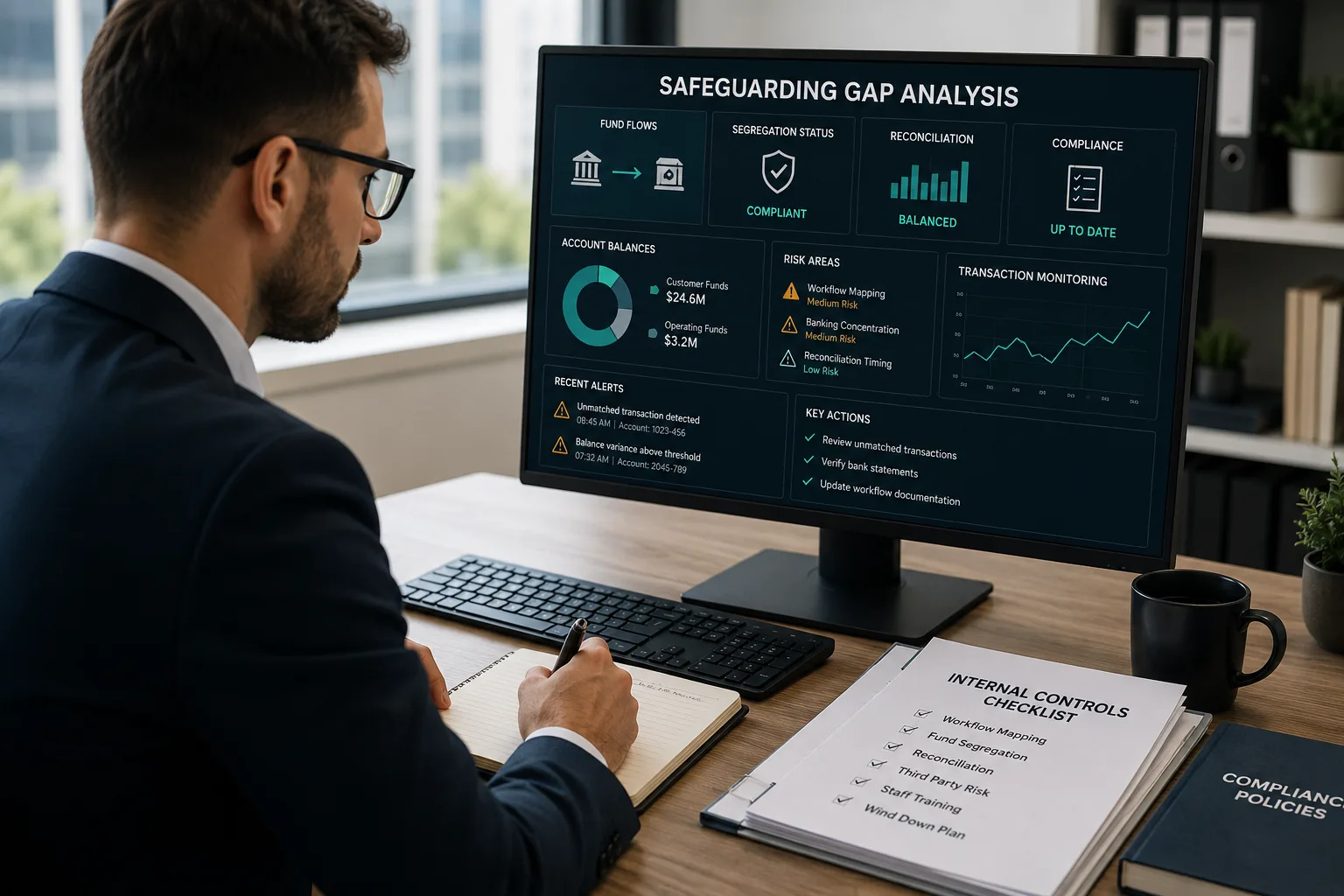
Financial firms must identify safeguarding gaps before they develop into serious operational, accounting, or regulatory problems. Proactive reviews help map internal workflows, separate customer assets from company funds, strengthen reconciliation controls, and manage third-party banking risks. Regular staff training and updated compliance procedures reduce the likelihood of costly mistakes. Comprehensive wind-down plans also ensure client money remains protected during periods of financial stress. Together, these measures strengthen internal controls, protect customer trust, and improve long-term business resilience.
Read More
Finding the right HRMS software in India can simplify payroll, attendance, employee management, performance, compliance, and HR automation. This guide compares five leading HRMS solutions—Keka, greytHR, Zoho People, Darwinbox, and HROne, across core features, pricing, security, scalability, employee self-service, and AI capabilities. Whether you run a startup, SME, or large enterprise, explore these human resource management systems to identify the best HR software in India for your workforce, budget, and long-term HR management needs.
Read More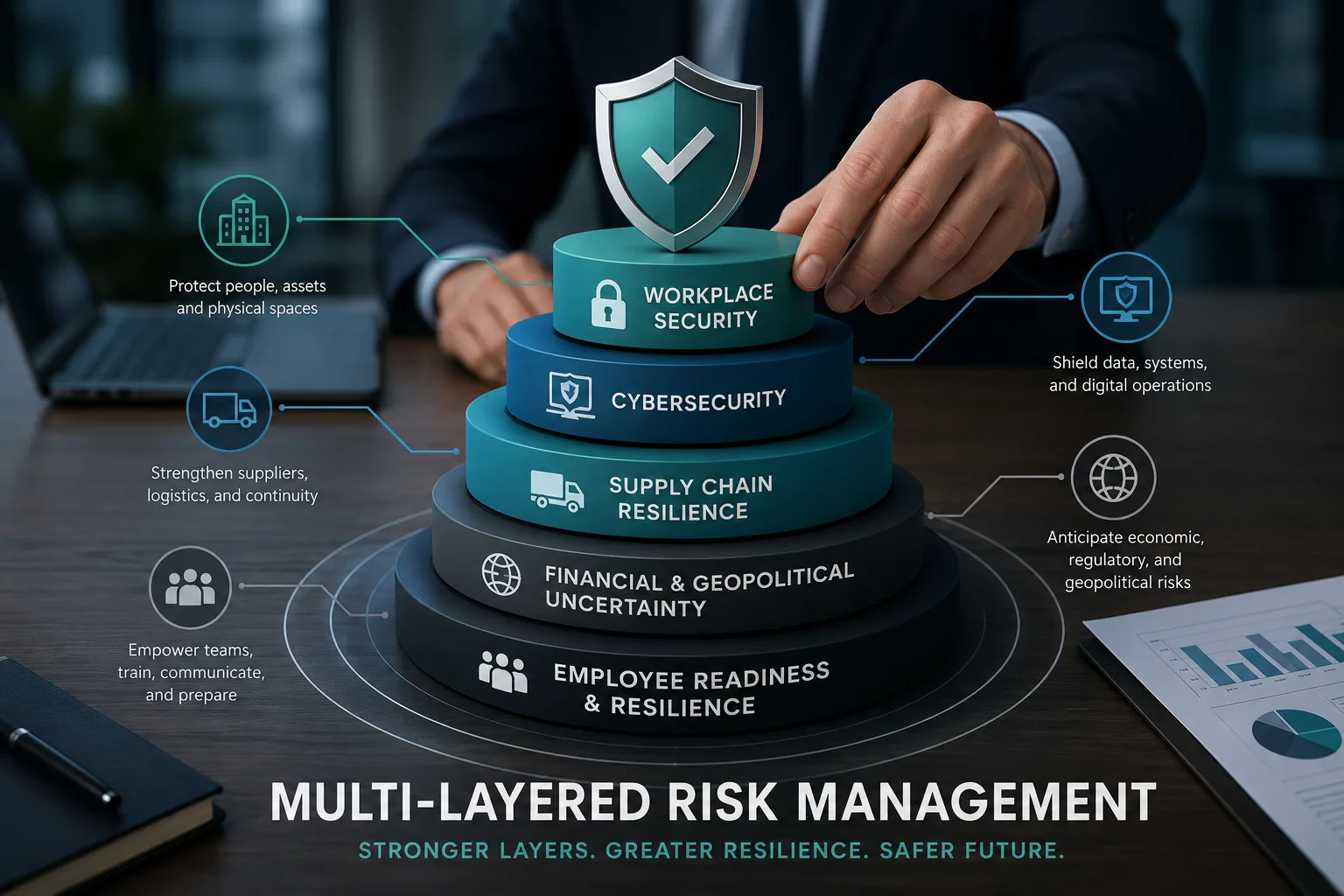
A multi-layered risk management strategy helps businesses prepare for interconnected threats rather than relying on a single line of defense. This guide explores five practical ways to strengthen organizational resilience: improving workplace security, protecting digital assets, building supply chain resilience, preparing for financial and geopolitical uncertainty, and strengthening employee readiness. By combining these layers, businesses can identify vulnerabilities earlier, respond effectively to disruptions, and protect people, operations, finances, and long-term growth.
Read More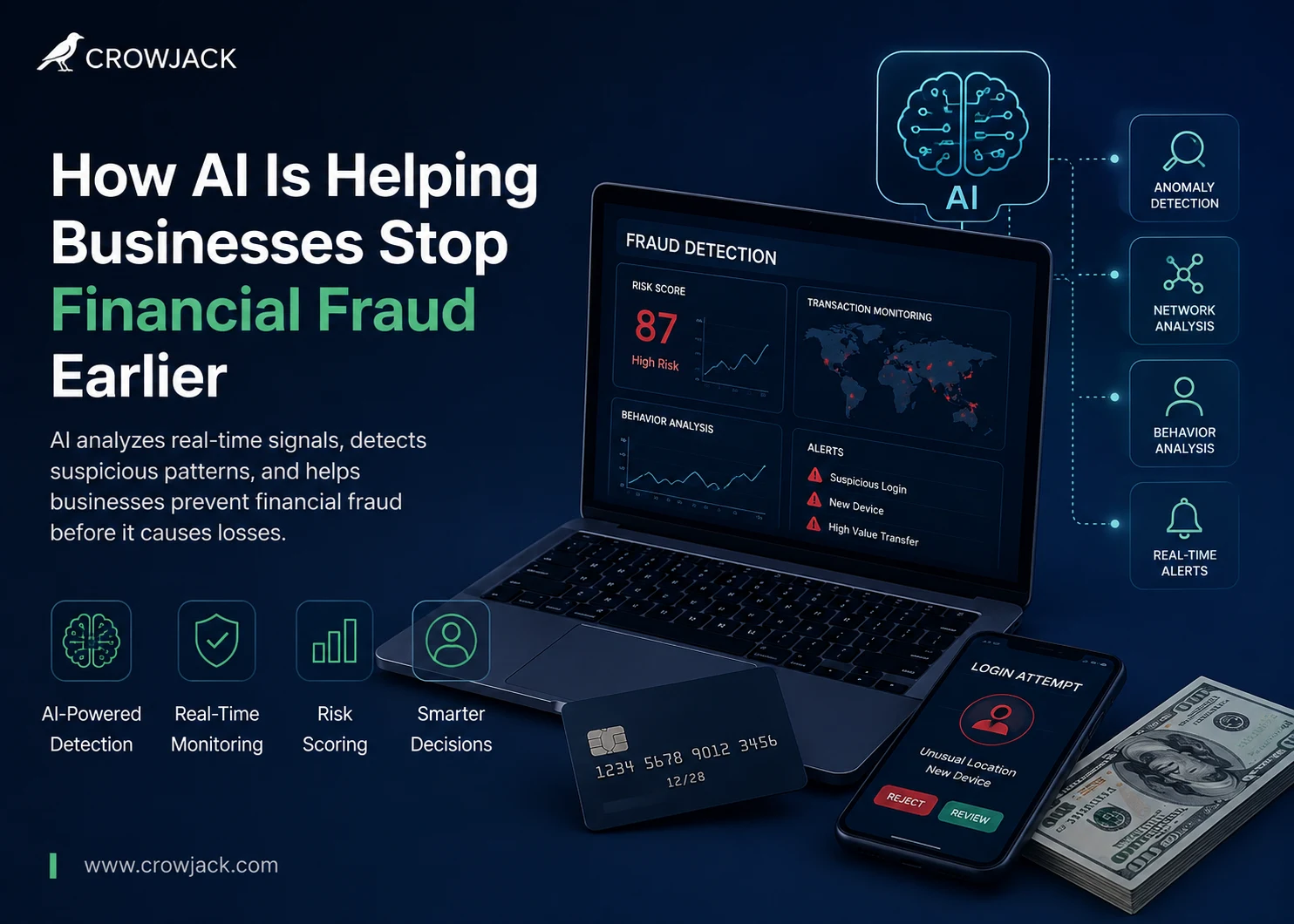
AI is changing how businesses detect and prevent financial fraud by identifying suspicious patterns before they become costly incidents. Instead of relying only on fixed rules or investigating losses after they occur, AI can analyse transactions, user behaviour, devices, account activity, and payment patterns in real time. This helps businesses detect account takeovers, synthetic identities, mule accounts, payment fraud, and money laundering risks earlier. By combining AI-powered risk scoring, anomaly detection, network analysis, automated monitoring, and human review, companies can respond faster, reduce false positives, protect customers, and strengthen their overall financial crime prevention strategy.
Read MoreGet into details now? View all posts