Table of Content

- Jessica Robinson
- Aug 07,2026
Many professionals reach a ceiling in their jobs without a full bachelor's degree. Fast-tracking your higher education offers a direct route to upgrade credentials without starting from scratch. A top-up business degree bridges the gap between past diploma studies and a complete university qualification. It allows ambitious individuals to accelerate career growth alongside existing work commitments.
Building on prior diploma coursework saves valuable study hours and tuition fees. Returning to school for 3 or 4 full years can feel unmanageable for active workers. A top-up pathway recognizes previous academic credits so students skip general introductory modules. One higher education report notes that top-up structures build on existing learning to let students finish a full bachelor's degree in 1 year. Shortened study timelines help students re-enter the job market quickly with upgraded credentials. This shorter duration lowers total educational expenses and minimizes income disruption. Completing a degree in 12 months provides a swift boost to professional resumes.
Emerging business sectors actively seek job candidates with proven management fundamentals. Educational advisers explain options, and the team behind Kaplan says that direct degree completions help students transition smoothly into modern corporate settings. Degree holders gain access to specialized roles in corporate strategy, operations, and brand management. Higher credentials open doors to strategic roles that traditional diplomas cannot reach. Graduates gain confidence when applying for competitive supervisory positions across corporate sectors. Corporate recruiters view complete degrees as clear evidence of project execution skills and analytical thinking. Upgrading your qualification signals strong professional dedication to hiring panels. Having a full degree removes strict qualification barriers during corporate recruitment drives.
Completing a bachelor's degree directly impacts long-term compensation trajectories. Data published by an online education platform indicates the median annual salary for business degree holders reaches $71,000. Moving from entry-level pay brackets to mid-tier compensation changes lifetime earning potential. Higher academic qualifications establish a stronger baseline for annual salary negotiations. Higher salaries reflect advanced analytical capabilities built throughout degree programs. Strategic decision-making courses prepare students to handle departmental budgets and lead personnel. Employers compensate degree holders for their ability to manage complex operational responsibilities. Investing in higher credentials yields tangible financial returns across full careers.
Advancing into executive leadership requires mastering core administrative abilities. Specialized management training prepares graduates for high-demand supervisory functions.
According to industry career data from a global learning portal, management positions command a median annual wage of $122,090. Step-up qualifications pave the way toward these lucrative supervisory positions. Structured business education equips managers to drive team productivity and achieve organizational goals. Completing your degree provides the credentials required for executive promotion consideration.
Top-up degree modules focus on real-world business challenges. Modern coursework stresses practical case studies over theoretical lectures. Students solve actual corporate problems to build relevant workplace competencies. Applied learning methodologies help students apply textbook concepts directly to daily work tasks. Collaborative group assignments mirror daily corporate tasks, improving workplace communication. Working alongside peers from diverse industry backgrounds broadens professional perspectives. Practical assignments turn classroom lessons into immediate workplace advantages. Graduates enter new positions equipped with practical tools for immediate business impact.
Classroom discussions involve ambitious people from various industries coming together. By engaging with other people in class, you will get immediate networking opportunities while still studying. Connections formed through group activities often end up becoming great referrals for your career. The connection made at school builds professional relationships that last much longer than your time at school. Institutions can use an alumni platform to maintain connections with graduates, share career opportunities, and provide ongoing support long after students complete their studies.
Today’s businesses need workers capable of adapting themselves to new conditions of work quickly. The latest programs on business help students acquire necessary knowledge of change management and stay competitive. The graduates gain skills to analyze the market and adapt their business strategy accordingly. By keeping themselves up-to-date through advanced courses, professionals secure themselves from skills obsolescence. Lifelong learning works as a security measure in a constantly changing economic situation. Obtaining the degree will show a person’s ability to adapt and improve professionally. Businesses always prefer workers willing to improve and grow professionally. Top-up qualification will give you all necessary skills to work in the modern corporate world. The top-up degree will help you to advance your career. With the help of a degree you can turn your diploma into a bachelor qualification.
A top-up business degree is a program designed for diploma or equivalent qualification holders, allowing them to complete a bachelor's degree in a shorter time by transferring previously earned academic credits.
It's ideal for working professionals, diploma graduates, and individuals who want to enhance their qualifications, improve career opportunities, and earn a bachelor's degree without completing a full three- or four-year program.
Yes. A top-up business degree can open doors to management roles, increase earning potential, strengthen practical business skills, and make candidates more competitive in today's job market.
Most top-up business degree programs can be completed in about one year of full-time study, depending on the university, your previous qualifications, and whether you choose full-time or part-time study.
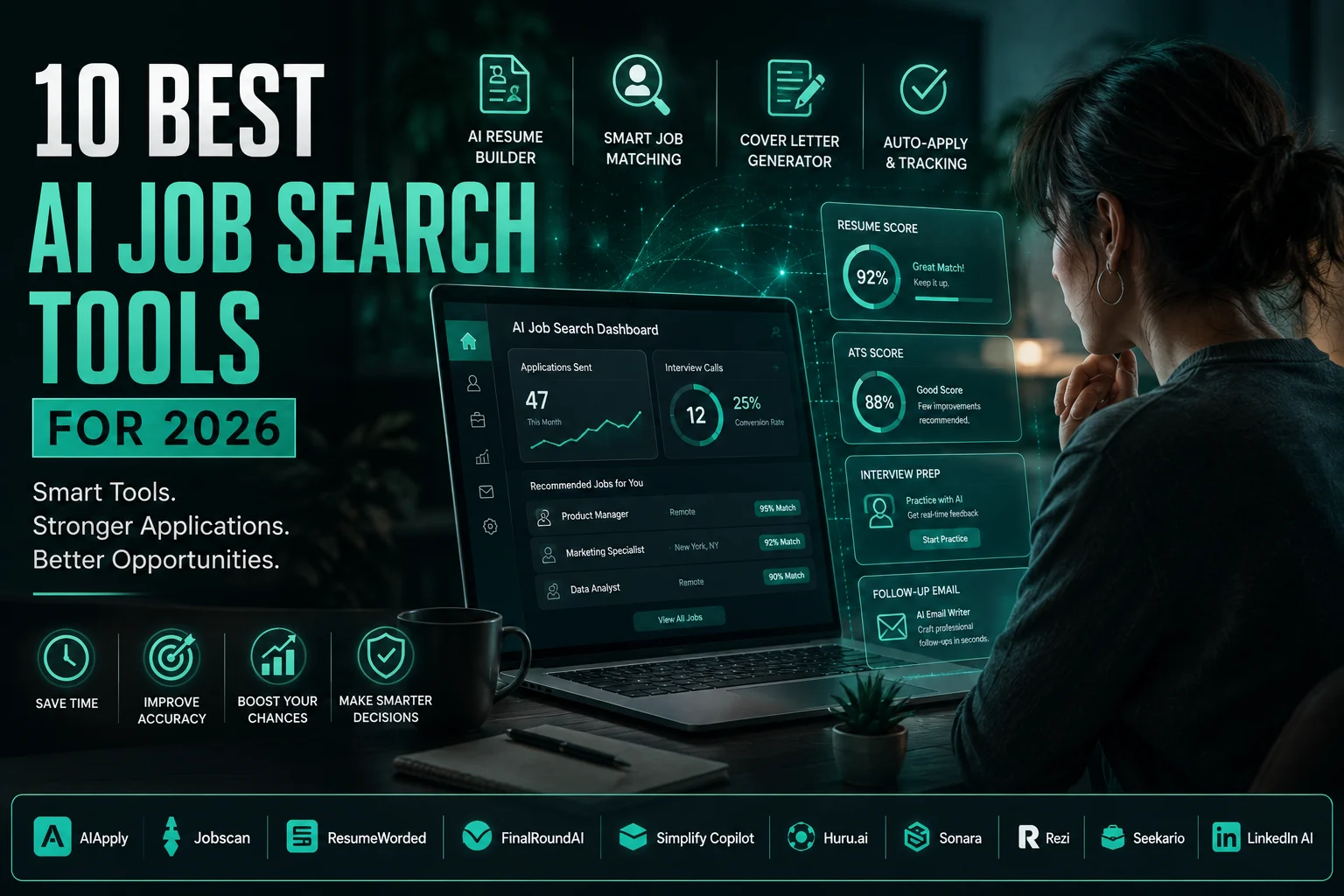
AI job search tools can simplify everything from building an ATS-friendly resume to finding relevant roles, autofilling applications, and preparing for interviews. But the best tool depends on your career stage and the part of your job search causing the most friction. This guide compares 10 leading AI job search tools for 2026, including AIApply, Jobscan, ResumeWorded, Rezi, Simplify Copilot, and others. It explains what each tool does, pricing, automation capabilities, and which options are best for students, professionals, and career changers.
Read More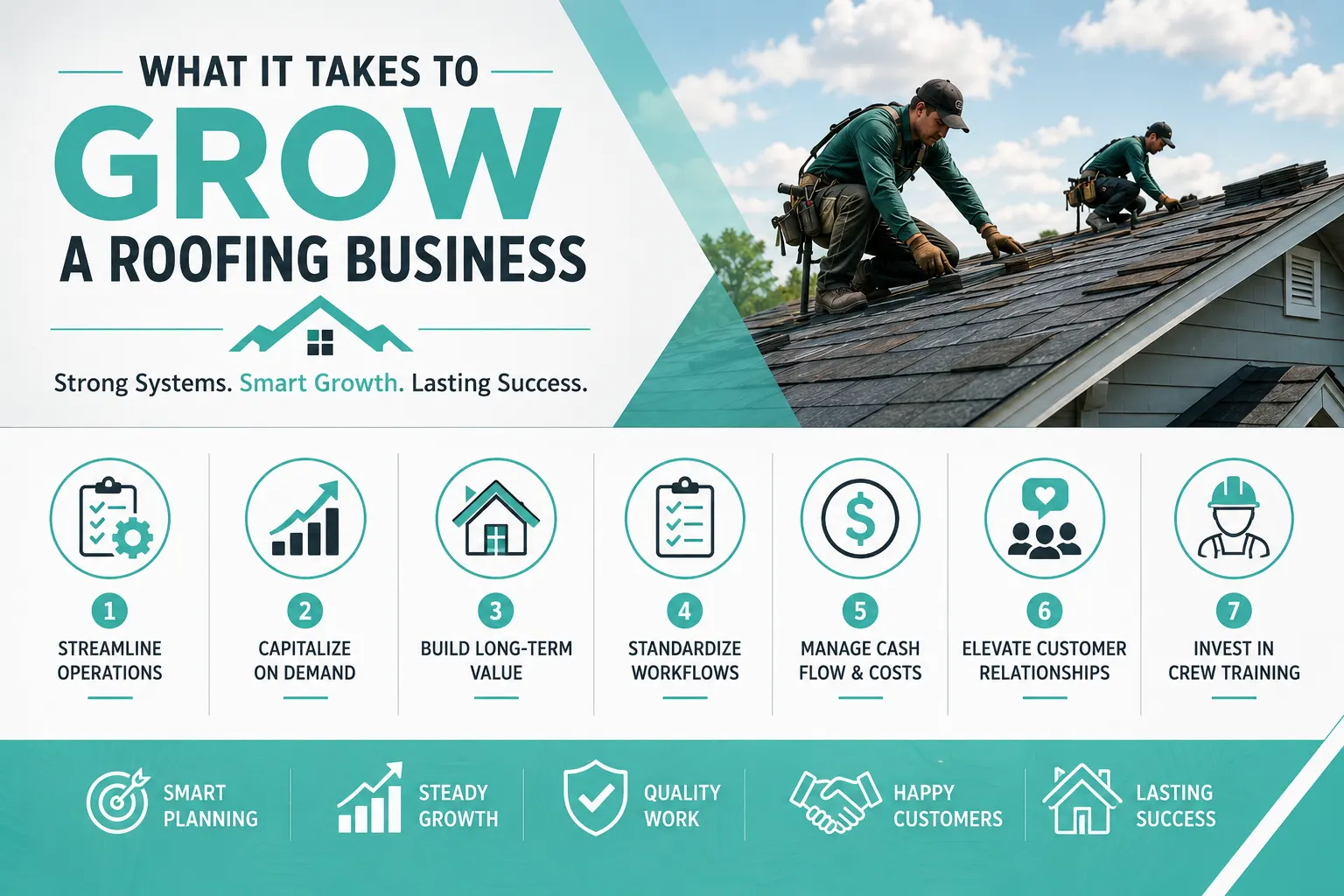
Growing a roofing business requires more than completing quality projects. Sustainable expansion depends on organized operations, reliable financial management, effective customer relationships, trained crews, and repeatable jobsite processes. This guide explores practical strategies roofing contractors can use to build a stronger and more scalable business. From adopting CRM systems and standardizing workflows to managing cash flow, responding to market demand, and investing in employees, these approaches help contractors improve efficiency, protect profitability, strengthen their reputation, and create a solid foundation for long-term business growth.
Read More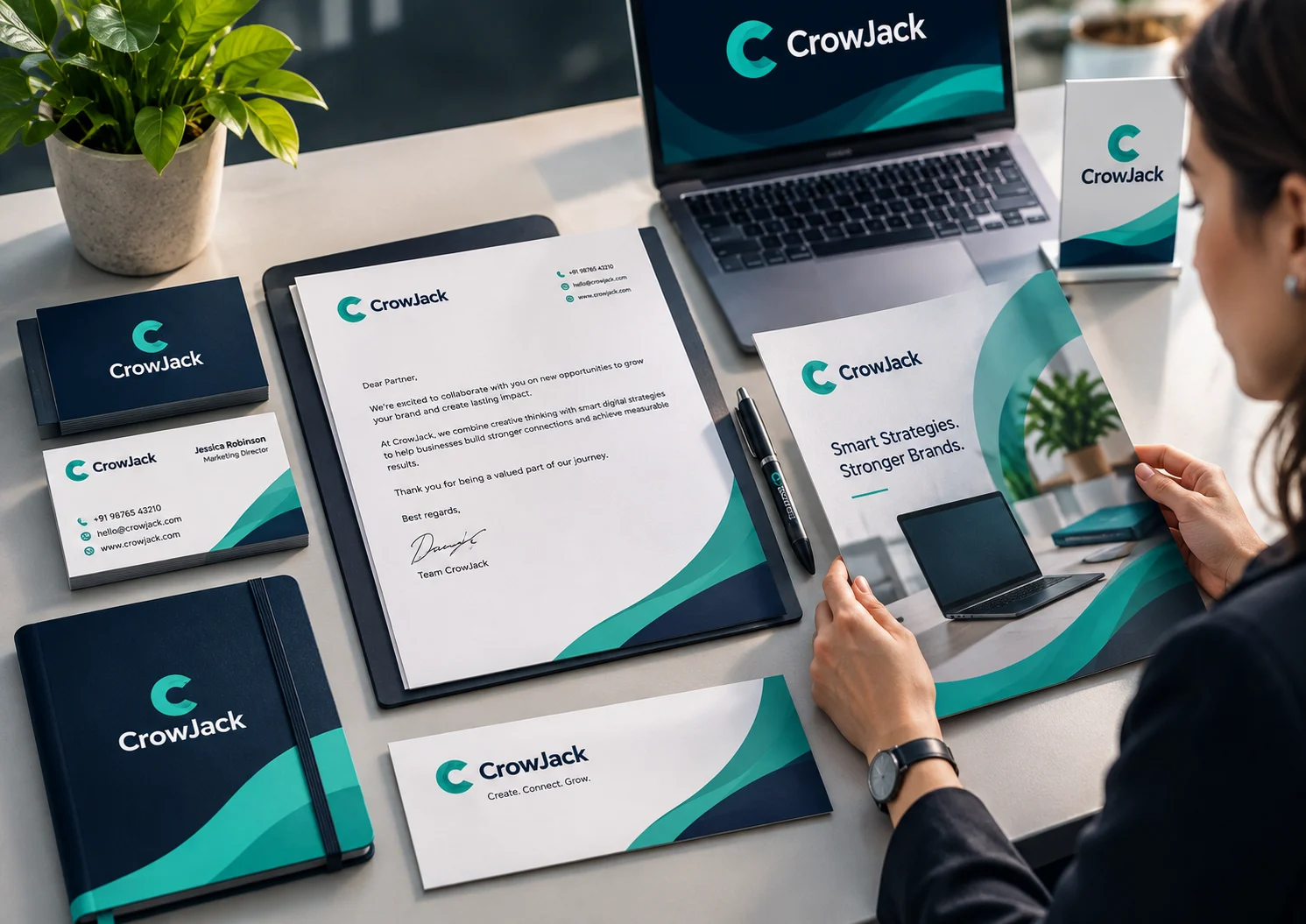
Print branding is an often-overlooked part of a strong brand identity. From business cards and stationery to packaging and signage, physical brand touchpoints influence how customers perceive your business. This article explores why consistent print branding matters, how colour and typography affect recognition, and how businesses can bring offline materials in line with their digital presence. Learn practical ways to audit and improve your printed materials so every customer interaction feels professional, recognisable, and trustworthy.
Read More
Python has become a leading choice for building AI-powered business applications because of its flexibility, readability, extensive libraries, and strong developer ecosystem. This article explains how Python developers combine AI, machine learning, automation, and data processing to solve practical business challenges. It explores key benefits such as faster development, cost efficiency, scalability, and adaptability. It also highlights what businesses should consider when choosing a Python development team and why experienced developers can help create reliable, scalable AI solutions that deliver long-term value.
Read MoreGet into details now? View all posts