Table of Content
- Kiara Miller
- Aug 11,2026
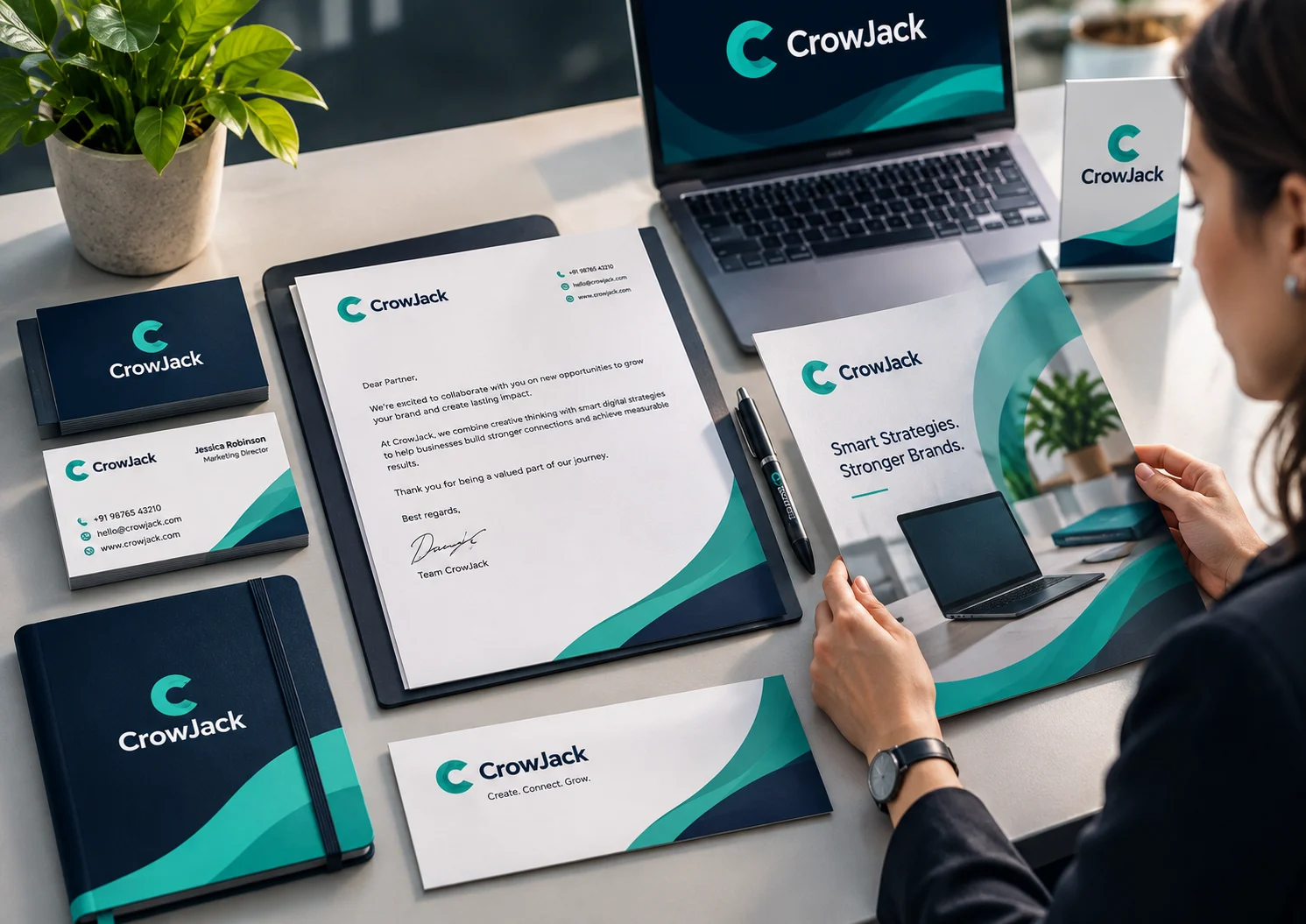
Ask most business owners where their brand “lives” and they will point at a screen. The logo on the website, the colours on Instagram, the tone of the monthly newsletter. All of it real, and all of it managed down to the pixel. Then a client walks in, picks a business card up off the front desk, and it is the old logo. A quote turns up on a letterhead in a blue that does not quite match the site. The invoice looks like it came from a different company again. That gap is where print branding actually gets decided, and it is the half of branding most businesses never think to check.
The American Marketing Association defines brand identity as the visual and symbolic elements, the name, logo, colours and typography, that make a business recognisable. Notice what that definition leaves out: it never mentions a screen. Your brand is the sum of every impression you leave, and plenty of those are physical. The card handed across a table. The A-frame a customer reads on the footpath before they have ever seen your website. The folder your proposal arrives in. None of it shows up in your analytics dashboard, yet all of it feeds what people decide about you. And people decide with their wallets. In one Akeneo consumer survey, 52% of shoppers said they would pay more for products that communicate a company’s brand values, and 82% were willing to spend up to 30% more. Consistent branding is not decoration. It changes what customers will pay.
Try this. When did you last actually look at your own business stationery, rather than just use it? For most businesses the honest answer is “back when we set it up”. The website logo gets a refresh every couple of years. Meanwhile the letterheads, the compliment slips, the DL envelopes and the notepad by the phone all soldier on with a design from two rebrands ago. That matters, because these are the items that go out day after day, and they tend to land in front of people at the exact moment a decision is being made. A quote. A contract. An invoice. A handwritten thank-you. Bringing your business stationery back into line with the rest of your brand is one of the cheapest, most frequent wins going. None of it is glamorous. It is the branding equivalent of fixing the small leaks nobody notices until they add up. But you feel it every time an envelope leaves the office.
A brand does not build recognition by being clever once. It builds it by turning up the same way, over and over, until people stop noticing and simply start trusting. Canva’s brand research puts it bluntly: consistency across touchpoints reinforces a brand in the customer’s mind, while inconsistency can lead to distrust. Print makes that harder than the screen does, for one deeply boring reason: colour. Your monitor glows in RGB. Print works in CMYK, and that same blue can come back flat, or slightly grey, on paper if nobody signs off a proof. It is worth getting right, because people form a first impression of a product within about 90 seconds, and between 62% and 90% of that judgement comes down to colour alone. Get the colour wrong on the one thing a customer is holding, and the screen never gets a chance to fix it. Type wanders too. One supplier sets your cards, another does the stationery, a sign-writer handles the shopfront, and before long your one “brand font” is three near-identical fonts sitting in a row, pretending to match. Fixing it is mostly a decision to give print the discipline your website already gets.
There is a reason the business card refuses to die, and it has nothing to do with nostalgia. A physical object carries a weight no notification manages. It sits on a desk for a fortnight. It gets passed to a colleague. It takes up real space in a way a link buried in an inbox cannot. The research backs the instinct up. Packaging and print have long been described as the “silent salesman” that grabs a busy shopper’s attention on the shelf, and a study in the tea-bag category found the visual design of packaging measurably lifts purchase intention, with the customer’s brand experience doing much of the work. Eye-tracking research points the same way: what a shopper looks at predicts what they choose, and the brand they end up buying pulls a surge of attention right as the decision is made. A flyer that has clearly been thought about, a clean piece of signage, a folder that feels solid rather than flimsy: each one is a small, tangible vote of confidence in your own business. Cheap, mismatched print quietly says the opposite, however sharp the website looks.
You do not need a full rebrand to close the gap. Start with a plain audit. Lay your website, your business card, your stationery and any signage on one table, side by side, and hunt for the things that do not match. The stray old logo. The blue that drifted. The font nobody remembers approving. Then fix the high-frequency items first, the ones that leave your office every single day. Nine times out of ten that is your stationery, and it is usually a quick job with a return on how professional you look that far outweighs the cost. Your brand was never only on the screen. Print branding is simply the part of it you can pick up and hold, and, as the research keeps showing, the part your customers quietly judge you on.
Print branding is the use of consistent brand elements such as logos, colours, typography, and messaging across physical materials like business cards, stationery, packaging, brochures, and signage.
Print branding helps create a consistent customer experience, strengthens brand recognition, and makes a business appear more professional and trustworthy across physical interactions.
Common print branding materials include business cards, letterheads, envelopes, invoices, brochures, flyers, folders, packaging, promotional materials, and physical signage.
Businesses should establish clear brand guidelines covering colours, fonts, logos, layouts, and print specifications. Using approved templates and checking physical proofs before printing can also prevent inconsistencies.

Discover how banner stands improve brand recognition at trade shows, conferences, and business events. Learn how effective banner design, strategic placement, and consistent branding increase visibility, attract attendees, and create memorable experiences that strengthen your brand's presence.
Read More
A top-up business degree is an efficient way for diploma holders to earn a bachelor's qualification without starting over. By recognizing previous academic credits, these programs reduce study time while enhancing career prospects, earning potential, and leadership opportunities. Students also develop practical business skills, expand their professional networks, and stay competitive in today's evolving job market. Whether you're aiming for a promotion, a career change, or long-term professional growth, a top-up degree offers a faster path to achieving your goals.
Read More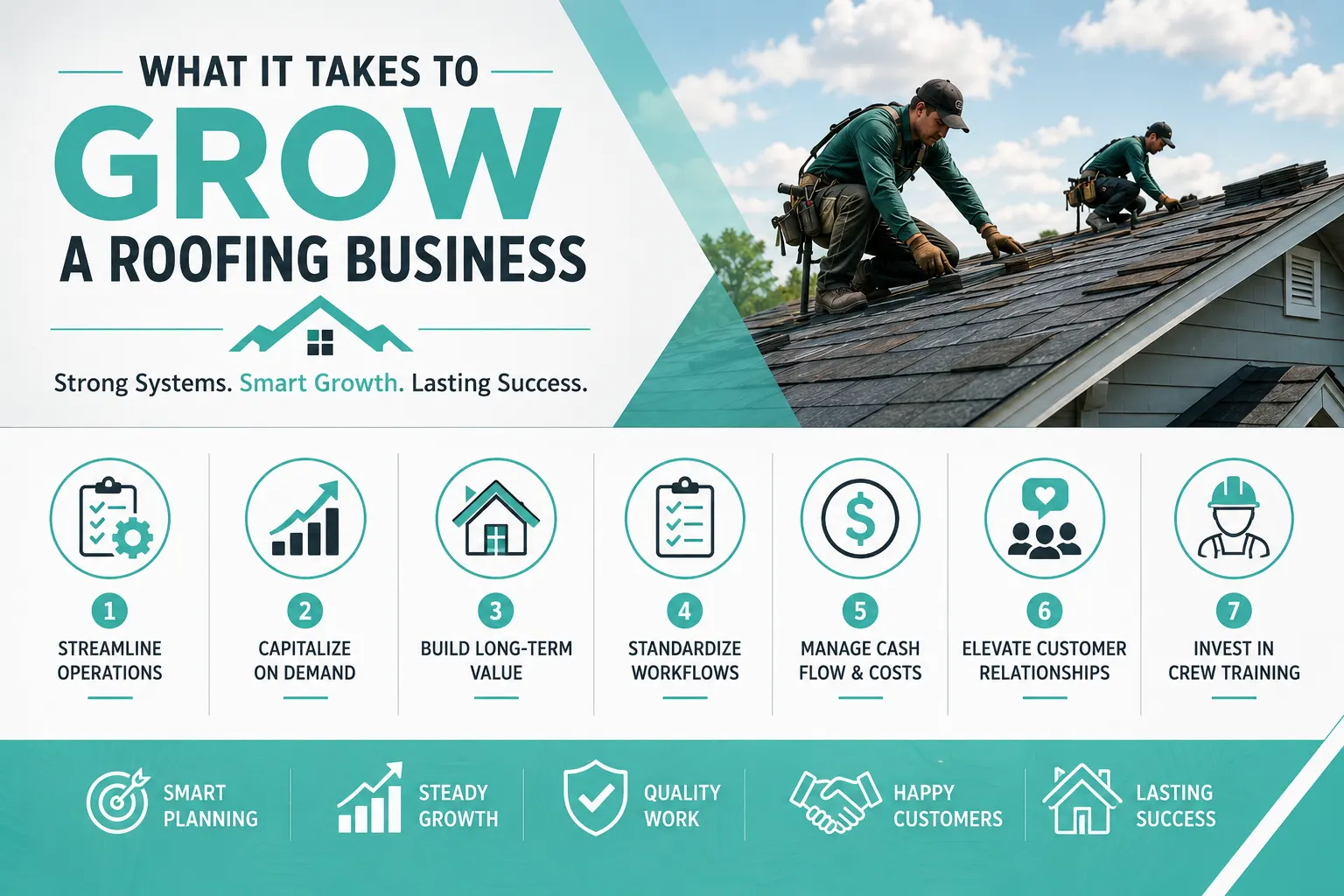
Growing a roofing business requires more than completing quality projects. Sustainable expansion depends on organized operations, reliable financial management, effective customer relationships, trained crews, and repeatable jobsite processes. This guide explores practical strategies roofing contractors can use to build a stronger and more scalable business. From adopting CRM systems and standardizing workflows to managing cash flow, responding to market demand, and investing in employees, these approaches help contractors improve efficiency, protect profitability, strengthen their reputation, and create a solid foundation for long-term business growth.
Read More
Python has become a leading choice for building AI-powered business applications because of its flexibility, readability, extensive libraries, and strong developer ecosystem. This article explains how Python developers combine AI, machine learning, automation, and data processing to solve practical business challenges. It explores key benefits such as faster development, cost efficiency, scalability, and adaptability. It also highlights what businesses should consider when choosing a Python development team and why experienced developers can help create reliable, scalable AI solutions that deliver long-term value.
Read MoreGet into details now? View all posts