Table of Content

- Jessica Robinson
- Jul 28,2026
All trade shows, conferences, and local business events share something in common; they're all loud. They aren’t necessarily literally loud – although, many times, they are. Visually, they're a cacophony of competing messages, clashing colors, screens, counter displays, and forgotten slogans. In this setting, brand visibility isn’t about making the boldest statement; it's about making a clear and consistent statement. This is where banner stands come in.
While banner stands aren't usually the flashiest components of an event display, they often get the job done. A good banner stand helps create visibility for your brand prior to engaging with it, reinforces the brand while visiting the stand, and ensures it stays visible long after the visit. If businesses hope to use attendance at their events to build brand awareness, banner stands matter more than most teams realize.
Events are among the few marketing environments that have dozens, even hundreds of brands within a short amount of time. Attendees will not necessarily make a purchase immediately. In fact, most of them won't even be looking for something to purchase. They will attend events looking for inspiration, comparisons, and credible people. Recognition will be the first challenge.
For example, when an attendee spots your stand, receives a brief pitch, gets a brochure from you, and cannot recall your name an hour later, then you should understand that your opportunities are more modest. Human memory can be selective. People remember only simple visual messages, constant communication, and those brands that leave a lasting impression without overwhelming them.
Banner stands are helpful in that regard because they do not depend on timing – like in case of selling conversations – or vanish into a bag after an event is over, like brochures usually do. They remain visible.
Most visitors make an initial judgement about a stand in seconds. They’re deciding, consciously or not, whether to slow down, glance over, or keep walking. That decision is influenced by what they can understand immediately.
A banner stand supports that first impression by doing three things at once:
When those elements are in sync, your stand feels more established. And perceived familiarity often translates into trust. People are more likely to approach a brand that looks coherent than one that appears improvised.
It’s easy to assume digital displays have replaced static event graphics. In practice, they do different jobs. Screens are useful for motion, demos, and storytelling, but they’re also fleeting. If the right message isn’t on screen at the right moment, it’s missed.
Banner stands are constant. They anchor the stand visually and make your identity legible from a distance. That consistency is especially useful for smaller exhibitors that don’t have oversized builds or premium floor positions. If you’re deciding between formats or planning a display system, it helps to review the different types of banner stands for exhibitions and events and think about how each one supports visibility, portability, and layout.
Recognition is usually not achieved at one touch point but through repetition. The repetition of viewing the same logo, colors, tagline, and imagery on the backdrop, pull-up banner, handout, and social post becomes part of mental reinforcement. During events, banner stands take a central place in repetition due to the high visibility of such elements of the event layout. One does not need to stop for conversation. One doesn’t need to grab your handouts. But he/she will definitely look at your banners, even by accident. This is important as people tend to remember more recognizable brands, which, in their turn, trigger further searches, visits to LinkedIn profiles, and inquiries after the event.
Good event banners are not mini websites. They’re not meant to explain everything. The most effective designs focus on recognition first and detail second.
A banner stand has one primary job: communicate who you are and why you matter quickly. That usually means prioritising a few essentials:
Too much text weakens recognition because people won’t read it at event pace. A sharper message does more for memory than a detailed one.
Consistency is one of the strongest predictors of brand recognition. If your website uses muted tones and clean typography, but your event banners are crowded and brightly inconsistent, you’re creating friction. The same goes for tone of voice. A business that presents itself as premium or expert should not rely on generic clip art and vague taglines at a live event. The goal is alignment. Your banner should feel like a physical extension of the brand people see elsewhere.
Many banner designs are created on a laptop screen and approved from a few inches away. That’s a mistake. At an event, the first audience is often several metres back. Your headline should be readable from a distance. Key shapes and colours should stand out without needing explanation. That means using whitespace well, resisting clutter, and understanding where the eye goes first.
Even a well-crafted banner will be rendered ineffective by poor positioning. Events can offer numerous sight line problems that include corners, lines, columns, neighboring stalls, and moving crowds. Banners located near an aisle border can be perceived as an invitation. A banner located behind a table loaded with materials usually becomes invisible. Banners that are double-sided or positioned in a way that they attract attention from different directions can be helpful, especially for events in which people come from various directions. In addition, there is also a branding advantage for using several stands instead of just one. Not in order to overcrowd the space, but rather to establish a subtle repetition. Your main banner can communicate the central message, whereas the secondary one can highlight a particular service, evidence, or marketing slogan.
Banner stands work well when they aren’t used as stand-alone props. They should be used as part of an overall recognition system along with staff presence, print materials, demonstrations, and other follow-ups. If the wording on your banner is consistent with how your team speaks about it, then it’s easier to remember. When the banner design is similar to the follow-up emails and landing page designs, then the gap of memory from seeing you and remembering where you were becomes much less. That’s the point. It isn’t about decoration, but about connecting visibility with recognition.
Brand recognition is generally not something which is achieved via a single spectacular move during an event. Instead, it is a case of consistency, whereby one makes sure of being seen, understood and remembered. The banner stand plays a key role in helping to achieve these goals. It ensures the visibility of your brand in the hectic environment of an event, facilitates the quick transmission of your message, and creates the elements that will enable people to remember you later on.
Banner stands improve brand recognition by making your logo, messaging, and visual identity highly visible. Their consistent presence helps attendees remember your brand long after the event has ended.
An effective banner stand should feature a clear logo, a concise headline, strong brand colours, high-quality visuals, and minimal text. The design should be easy to read from a distance and aligned with your overall brand identity.
Yes. While digital screens are excellent for dynamic content, banner stands provide constant visibility and reinforce your brand throughout the event. They also help visitors identify your booth from a distance.
Banner stands should be positioned near aisle entrances, booth corners, or other high-visibility areas where attendees can easily see them. Proper placement increases foot traffic and improves brand exposure.
Yes. Well-designed banner stands attract attention, communicate your value proposition quickly, and encourage visitors to stop at your booth. This increased engagement can lead to more conversations, qualified leads, and stronger brand recall after the event.
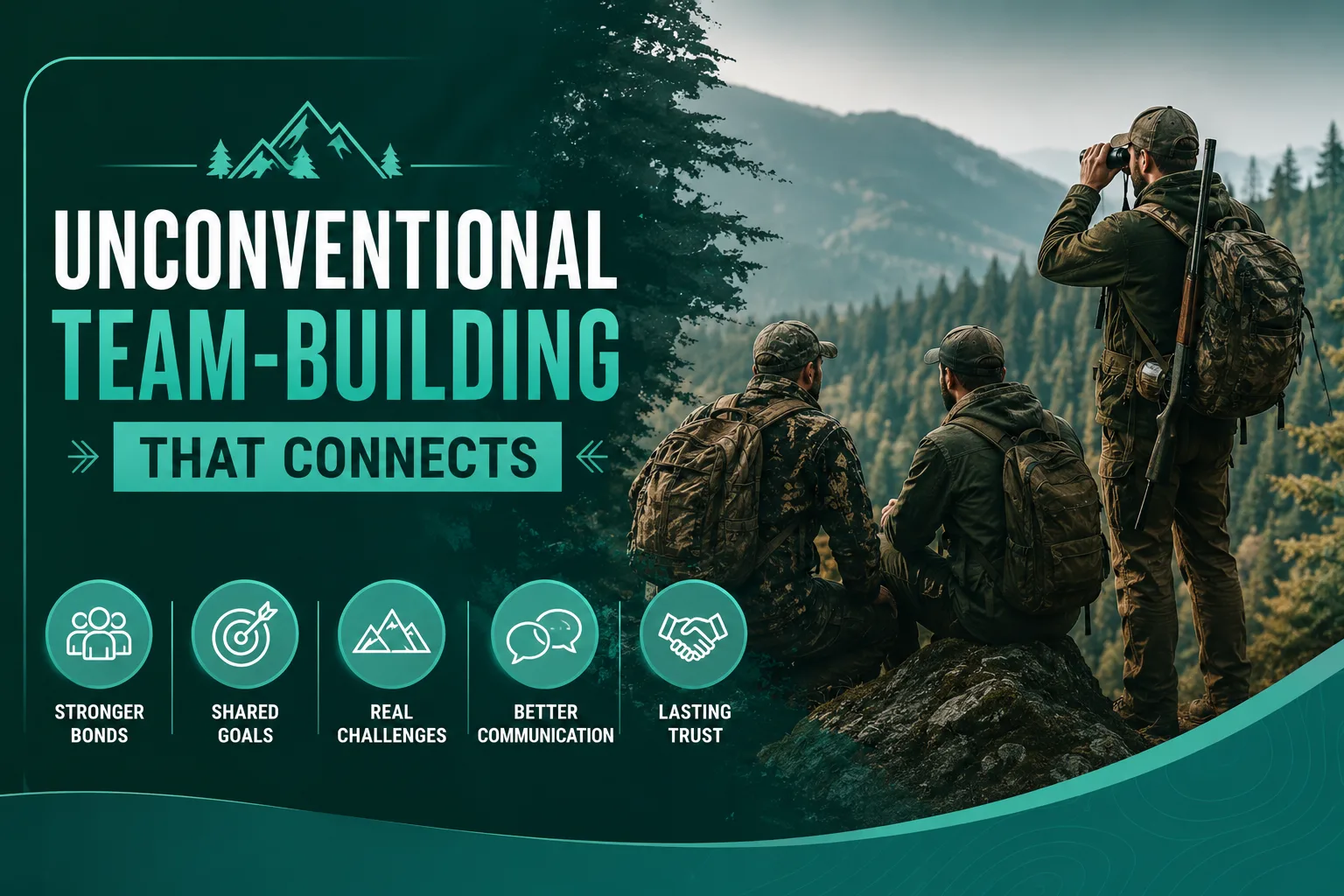
Hunting can offer an unconventional approach to team building by placing coworkers in outdoor environments where communication, trust, planning, and adaptability matter. Unlike traditional corporate activities, shared field experiences create opportunities for teams to solve practical challenges together, develop stronger relationships, and understand each other’s strengths. From documenting experiences in a hunt journal to navigating unpredictable terrain, these activities can reinforce valuable workplace skills. This guide explores how hunting-based team building can improve collaboration, break down workplace hierarchies, and create lasting team camaraderie.
Read More
Print branding is an often-overlooked part of a strong brand identity. From business cards and stationery to packaging and signage, physical brand touchpoints influence how customers perceive your business. This article explores why consistent print branding matters, how colour and typography affect recognition, and how businesses can bring offline materials in line with their digital presence. Learn practical ways to audit and improve your printed materials so every customer interaction feels professional, recognisable, and trustworthy.
Read More
Complex corporate mediations often involve financial records, contracts, liability arguments, and technical evidence that can overwhelm decision-makers. Visual strategies make this information easier to understand by transforming dense records into clear timelines, organizational charts, financial models, and technical diagrams. This article explores practical ways legal teams can use visual communication to clarify multi-party relationships, explain damages, organize evidence, and improve negotiation workflows. With well-designed presentation materials, mediators and legal teams can keep discussions focused and help parties make informed settlement decisions.
Read More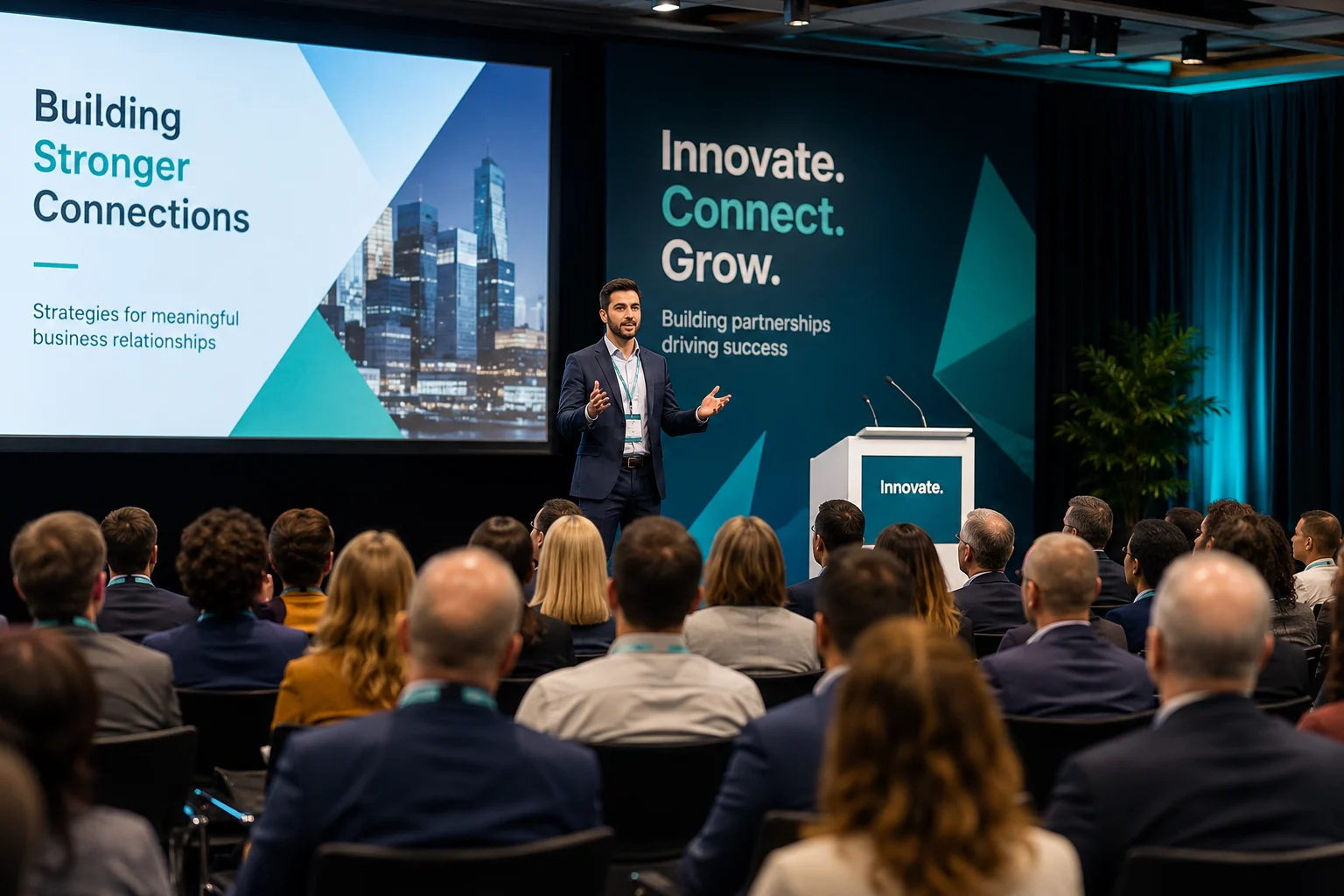
Major industry events give businesses a valuable opportunity to build visibility, connect with decision-makers, and strengthen market authority. Successful event representation requires careful planning, from defining measurable goals and selecting speakers who understand the company culture to budgeting wisely and booking talent early. Well-trained staff, interactive presentations, and consistent brand messaging create stronger attendee experiences. However, the work does not end when the event closes. Fast, personalized follow-up helps turn valuable event connections into lasting business relationships and sustainable growth opportunities.
Read MoreGet into details now? View all posts