Table of Content
- Kiara Miller
- Sep 02,2026
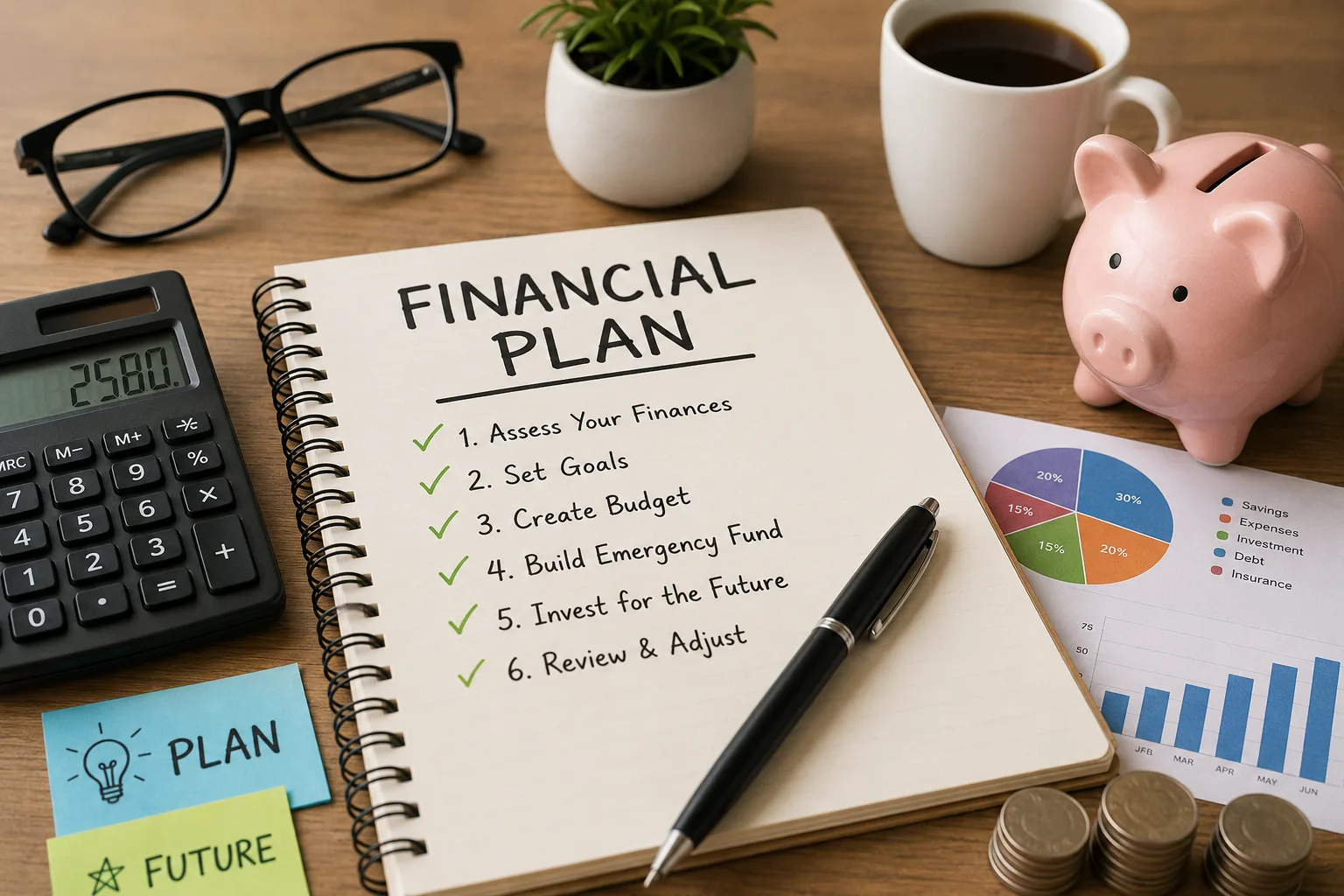
Money can give peace, but only when you have a plan that fits your real life. Many people make a list of goals at the start of the year, but most of them fail. Poor plans are the main reason for it. A good plan is built on clear facts and wise steps. So if you want your cash to work for you, stop guesswork. Build a plan that can grow with each new stage of life. Here are some valuable tips to help you out.
A good plan must start with the truth. So sit down and list what you earn, what you owe, and what you own. Many people skip this step as they fear what they may find. Yet, clear facts help you make smart moves.
However, if you are feeling overwhelmed, seek financial advice in Denver, CO. For the best experience, contact reliable firms, such as Dechtman Wealth Management. Their professionals help you analyse your full cash flow first, which shows where your cash goes each week. You may spot small costs that drain your pay with no real gain.
Looking for more cash is not a real goal. That wish has no endpoint. So you must set a clear goal that tells you what you want, how much you need, and when you want to get it. Moreover, split each goal into small wins. This way, clear goals help you stay calm when life gets busy.
A good plan lets you live your life while you save for the days to come. So you must track your pay for one full month. Then sort each cost into needs and wants. Also, keep room for fun, but set firm caps. Remember, if your plan feels too hard, you will not keep it for long. You should think of your cash plan as a guide and follow it.
Good habits beat willpower, allowing you to save more for your future. So it is wise to set your bank to move cash into your savings fund at each payday and also pay all your bills. This ultimately takes away the need to make the same choice each month. And this way, these small sums sent each month can grow into a large fund over time. Therefore, automate your success today to save more.
An urgent bill can ruin your overall budget plan if you have no emergency fund. A car repair, job loss, home issue, or other unwanted events can all call for cash at short notice. This is where an emergency fund can help you when life takes an odd turn.
To build an emergency fund for extra costs, you must consider what you need money for each month, such as:
Your first goal can be saving one month's costs. Once that feels firm, you can aim for saving up to three to six months' costs if your cash flow allows you. You should keep this fund in a safe place that you can access easily. Also set a rule for using the emergency fund. A sale, trip, or new phone is not an urgent cost, but a lost job or key home repairs may be.
Debt with a high interest rate can take away your cash each month. If you only pay the bare sum due, the debt may take a long time to clear. Therefore, you should start by listing each debt. Note the sum owed, rate, and minimum payment. This gives you a clear view of what costs you most.
However, one sound plan is to pay debt with minimum interest first, then put all extra cash into the debt with the high interest rate. Moreover, you can also ask your bank if a lower interest rate or new deal is on offer. But check fees first. A lower interest rate is not a win if the new deal has high fees or a long term. You should also try not to add new debt while you clear the old. If you keep adding to the pile, your plan may fail even if you make each payment on time.
A budget can lose its base if one bad event wipes out your key assets. But worry not. The right coverage can help protect you from a loss that would be too large to pay from cash. However, before choosing any plan, you must look at what you own and what you may need to protect. Your home, car and other valuable goods may need coverage.
You should never pick an insurance plan based on low fees alone. Check the cover cap, excess, terms, and key gaps. A cheap plan that pays too little may not give much help when you need it. Moreover, you should read the deal each year. Your needs may shift as your home, pay, or debt shifts.
Once you have cash for near needs and high-cost debt is in check, you can look at long-term growth. The key is not to chase the next hot stock in the market. Instead, you should build a mix that fits your goal, time span, and risk level. If you need the cash in two years, you may not want to put it in a fund that faces market risks. However, if your goal is 20 years away, you may have more time to ride out the ups and downs of the market.
Set a fixed sum to add each month if you can. This can help turn savings and investment into a set task, not a choice you must make each time you get paid. Moreover, you should spread your cash carefully. A mix of stocks, bonds, cash, or other assets may help cut the loss from one poor asset class.
Retirement can seem far off, but time is one of the best tools you have to save more for your later years. Keep in mind that the more time your cash has to grow, the less you may need to put in each month. Therefore, you should start today. First, think of the life you want. Consider where you may live in later years of your life, how much you may spend, and what kind of life you want once work ends. Then ask what may fund that life.
However, you should not use one fixed sum for your whole life. Your needs may shift. You may want more cash for the first few years of life after work, and then less as your pace slows. Moreover, if your work gives a match on your own plan, check the rules. This can add to your fund at no extra cost to you once you meet the set terms.
The best approach to save for your retirement is starting with a sum you can keep up. Remember, a plan that takes too much cash now may not last. So it is often more sound to start with a fair sum and raise it when your pay grows.
Building a financial plan is not a one-time task. Life can change fast. A new job, moving to a new home, a new child, pay rise, debt, or major costs can all call for a new budget plan. That’s why it is wise to set a date to check your plan at least once or twice each year. You can use that time to look at your cash flow, debt, coverage, funds, and goals. You should also ask a few key things, such as:
By reviewing your financial plan on a set basis, you can spot real shifts. However, do not react to each rise or fall in the market. Additionally, make sure your financial plan also has room for joy. Set some cash for trips, meals, gifts, or small wins. Remember, a plan that leaves no room for enjoyment can be hard to keep.
A sound cash plan is not built in one day. It grows from wise acts done with care and consistency over a long time. First, you must know where you stand. After that, set goals that you can track and create a fair cash plan. Moreover, automate your success and let advanced tools do the hard work for you. However, do not forget to check your plan as life moves on. With time, smart moves can help you save more and build a life with less stress.
A financial plan is a structured approach to managing your income, expenses, savings, debt, investments, insurance, and long-term financial goals.
Start by assessing your income, expenses, debts, assets, and savings. Then set specific goals and create a realistic budget based on your financial situation.
A good starting point is saving enough to cover one month of essential expenses. Over time, you can work toward building three to six months of essential costs.
High-interest debt should generally be addressed before taking on significant investments because its interest costs can outweigh potential investment gains.
Review your financial plan at least once or twice a year and whenever major life changes occur, such as a new job, marriage, child, home purchase, or significant change in income.

Creating multiple articles within the same niche often leads to repeated ideas, structures, and keyword overlap. This guide explains how to keep every article unique by defining clear search intent, setting topic boundaries, varying content structures, managing keyword clusters, and using diverse research sources. It also covers practical editorial workflows that help writers and content teams build a well-organized content library where each page serves a distinct purpose, improves SEO performance, and provides genuine value to readers.
Read More
Financial firms must identify safeguarding gaps before they develop into serious operational, accounting, or regulatory problems. Proactive reviews help map internal workflows, separate customer assets from company funds, strengthen reconciliation controls, and manage third-party banking risks. Regular staff training and updated compliance procedures reduce the likelihood of costly mistakes. Comprehensive wind-down plans also ensure client money remains protected during periods of financial stress. Together, these measures strengthen internal controls, protect customer trust, and improve long-term business resilience.
Read More
Home equity can become a valuable financial resource for Australians during retirement. Releasing part of a property's accumulated value can help cover living expenses, home improvements, emergencies, and future healthcare costs while allowing homeowners to remain in their familiar surroundings. Understanding borrowing limits, government support options, payout structures, interest costs, and estate considerations is essential before making a decision. Careful planning helps retirees balance immediate financial needs with long-term security, property ownership, family inheritance expectations, and overall retirement lifestyle goals.
Read More
Moving abroad as an international student brings exciting opportunities, but adjusting to a new country can also feel overwhelming. From navigating unfamiliar streets and managing academic responsibilities to making friends and controlling your budget, everyday challenges require preparation. This guide shares practical tips to help international students settle into their new environment with confidence. Learn how to stay connected, build a social network, manage finances, create a comfortable home, and balance studies with personal well-being while making the most of your international experience.
Read MoreGet into details now? View all posts