Table of Content
- Jessica Robinson
- Sep 02,2026
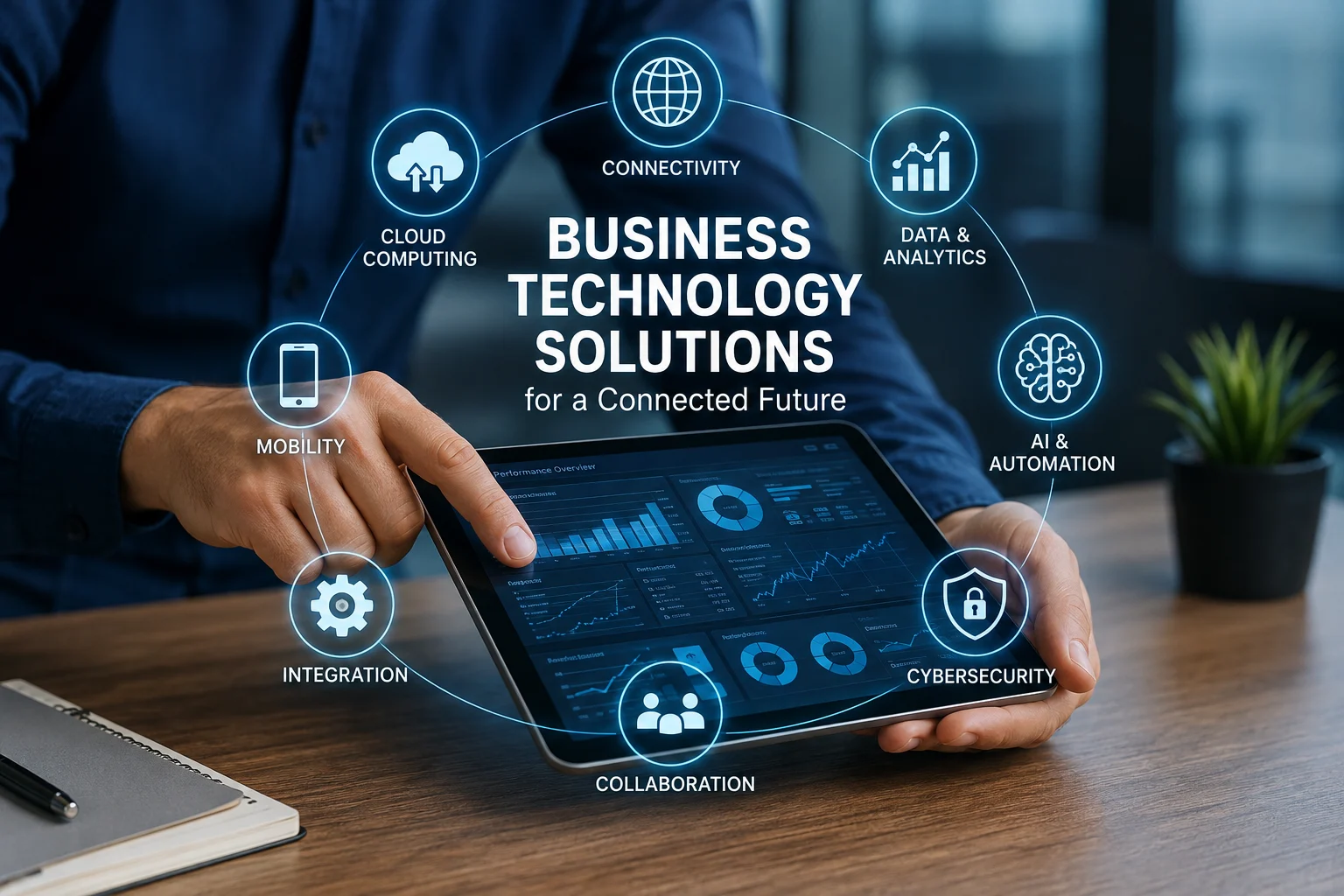
Pinging from wearables, buzzing from smart shelves, and streaming from phones are all examples of how modern business sounds like data. Being connected entails integrating digital elements into every aspect of your business, not just to solve issues but also to create a future in which efficiency is the norm.
Businesses used to be a collection of isolated islands. None of them communicated; sales had its CRM, the warehouse had its inventory system, and support had its ticketing platform. That cost money, time, and irate consumers.
Everything synchronizes now. Before the consumer ever questions delays, an online inquiry from a customer automatically changes shipment, verifies supply, and alerts the support staff. Although GPS trackers on trucks are not new, the technology can estimate arrival times and provide more intelligent routes when it is combined with traffic and weather data. That's the change: from responding to the past to foreseeing the future.
A new software built on top of an outdated, unstable infrastructure is like constructing a penthouse on a foundation of sand, despite the allure of investing in sparkling new technology. A strong backbone is necessary for a connected future. This entails shifting to the cloud for scalability, putting strong cybersecurity measures in place to safeguard data going over the network, and making sure various software platforms are compatible.
However, the most critical component of this backbone is the human element. Purchasing software is simple, but altering behaviors is challenging. Strategic alliances are useful in this situation. Working with a reputable technological solutions provider like saicom.io guarantees that the transition is about leading a team through the shift, delivering training that doesn't seem like a burden, and supplying support that doesn't vanish as soon as the contract is signed. Future infrastructure will consist of more than just server racks and fiber-optic cables; it will also include human interaction and dependability to guarantee that the technology really benefits the users.
Although data is often referred to as the "new oil," there is a catch: without refinement, raw data is worthless. Technology solutions must assist organizations in analyzing the daily tidal flood of information produced in a connected future. This is where machine learning and artificial intelligence (AI) come into play.
The "digital workplace" aims to reduce the burden of labor.
We need to deal with the big issue: connectedness makes us more vulnerable. The "attack surface" grows as more systems and devices are linked. Security used to be a locked door. It is a dynamic, ever-evolving defensive system today.
Zero Trust Architecture: ‘never trust, always verify.’ Even if they are already inside your facility, every user, device, and app is examined.
Real-Time Threat Intelligence: AI keeps a hawk-like eye on network traffic. When an accountant downloads a customer database at three in the morning, suspicions are immediately raised. This helps safeguard important things. Additionally, privacy is built into the system from the start rather than being added after a breach, thanks to laws like GDPR. We're at the edge of something new, where tech isn't about speed, but about smarts and awareness. It's about bridging strategy to action, making tools that feel human. The businesses that win aren't the flashiest; they're the ones that use tech to build better relationships.
Business technology solutions are digital tools, platforms, and systems that help organizations improve operations, communication, productivity, customer service, and decision-making.
Connected technology allows different business systems to share information, reducing manual work, improving efficiency, and helping teams make faster and more informed decisions.
AI can analyze data, identify patterns, automate repetitive tasks, support predictive analytics, and help businesses make more informed decisions.
As more devices and systems become connected, the potential attack surface increases. Strong cybersecurity helps protect business data, systems, customers, and employees from evolving threats.
Businesses can prepare by adopting scalable cloud infrastructure, improving cybersecurity, integrating software systems, using data and AI effectively, and providing employees with the training and support needed to adapt.
Explore the best AI tools for students for research in 2026. This comprehensive guide compares leading AI research assistants, academic search tools, literature review platforms, and citation managers, helping you find credible sources, summarise research papers, organise references, and complete academic projects faster, smarter, and with greater confidence.
Read More
Protecting your online accounts starts with choosing the right password manager. With cyber threats becoming more sophisticated, a reliable password manager helps you generate, store, and manage strong passwords securely. In this guide, you'll learn the essential features to look for, including encryption, cloud backup, password generation, multi-device compatibility, and data recovery options, so you can confidently select a solution that keeps your sensitive information safe.
Read More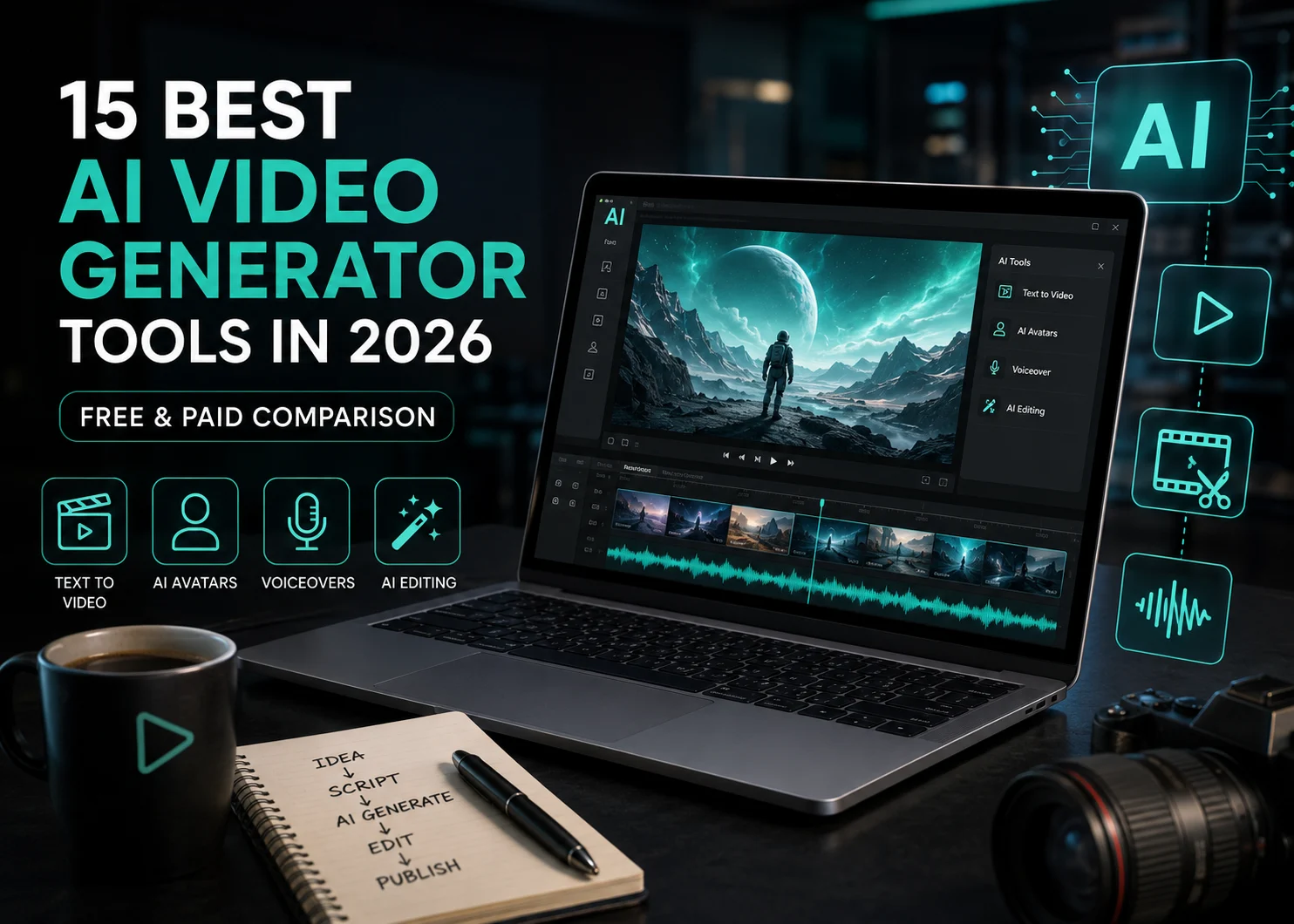
Discover the 15 best AI video generator tools in 2026, including both free and paid platforms for creators, marketers, businesses, and educators. This comprehensive comparison covers features, pricing, pros, cons, and ideal use cases for leading tools like Google Veo 3, OpenAI Sora, Runway Gen-4, Synthesia, HeyGen, Canva AI Video, and more. Whether you need realistic text-to-video generation, AI avatars, or social media video creation, this guide helps you choose the right AI video generator for your workflow.
Read More
A top-up business degree is an efficient way for diploma holders to earn a bachelor's qualification without starting over. By recognizing previous academic credits, these programs reduce study time while enhancing career prospects, earning potential, and leadership opportunities. Students also develop practical business skills, expand their professional networks, and stay competitive in today's evolving job market. Whether you're aiming for a promotion, a career change, or long-term professional growth, a top-up degree offers a faster path to achieving your goals.
Read MoreGet into details now? View all posts