Table of Content
- Kiara Miller
- Sep 03,2026
What’s the first image that comes to mind when you picture a pharmacist? An intimidating figure wearing a lab coat, looming over the counter, judging you behind their thick-brimmed glasses? And mumbling under their breath that it’s the third time this month you’re here.
Yes, you’ve probably come across a few of those stereotypes in your less than 20 years on this Earth. Thankfully, this is 2025, and not some backwater town stuck in the 1950s, where the local doctor was your pharmacist, midwife, and tormentor. OK, we’re joking about the last part.
The pharmacy profession tends to get the short end of the stick when it comes to career choices. Many students think it involves exactly what we described above, minus the judgment.
Excuses sound like this: “Oh, I don’t think it’s for me. I don’t like making small talk with customers,” or “No thanks, it’s a glorified drugstore assistant.” How wrong you are. A pharmacy degree is a solid foundation when considering non-traditional roles in the field. And we’ll explore these options below.
You’ve graduated from high school; what now? The requirements to become a pharmacist necessitate a PharmD degree (Doctor of Pharmacy). That means starting with a bachelor's degree.
Please, do not reach for the paper bag. Hyperventilating is not in the cards for you today. And don’t think of it as spending several years of your life studying. Think of it as a viable investment in your future. The fastest way to become a qualified pharmacist is to earn a PharmD degree based on your current education level.
The University of Findlay explains that the program requires four years of full-time study. Don’t be dismayed; you could qualify for accelerated options. Some pharmacy education programs allow students to pursue their degree online.
Pharmacy school graduates are then prepared for state licensing applications and professional exams. After that, you’ve basically got the world at your feet and can research other alternatives and practice pharmacy.
Also known as community pharmacists, these individuals are the backbone of community health. They provide healthcare services to patients who don’t have access to a hospital.
In this career, the emphasis is on dispensing prescription medications, patient education, and patient care. If you’re big on advocacy work and would like to serve your community, this is the right position for you.
The Board of Pharmacy Specialties (BPS) says that the U.S. currently has about 6,300 BPS board-certified ambulatory care pharmacists. You can tell by that low figure that the country is in urgent need of these specialist pharmacists. If you fit the mold, go for it.
Emma Foreman wanted to be a librarian, but soon after reading a book called Medicine Cabinet Chemistry, her interest shifted to drug design and pharmacology.
When the British Medical Journal (BMJ) asked her to describe her job, she simply said, “Helping cancer patients get the most from their medicines.” And that’s what being an oncology pharmacist entails. Well, kind of.
The specialized field focuses on optimizing cancer treatment and other cancer-related drugs. You must also have an advanced knowledge of chemotherapy. Oncology pharmacists are part of healthcare teams treating cancer patients due to the intricate work involved. They manage pharmacotherapy, monitor for side effects, and counsel patients. So, yes, no two days are alike.
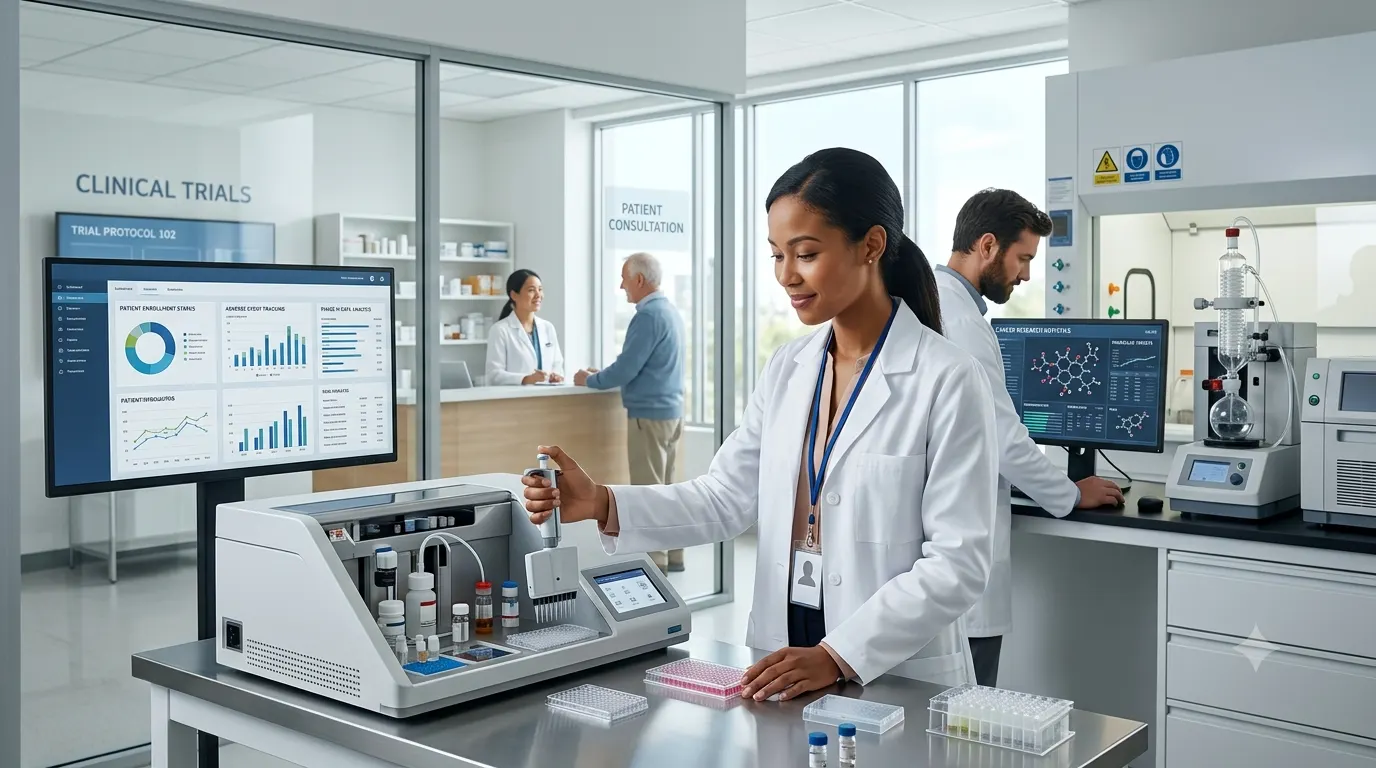
Clinical research pharmacists are integral in testing the safety and effectiveness of new drugs and treatments. For instance, clinical trials require a collaborative effort from pharmacies. You must learn how to handle investigational drugs and manage the complex logistics across different phases and trial types.
Your work may involve reviewing data from the World Health Organization (WHO), the FDA, and medical research databases. It’s your job to determine whether drug interactions are safe or not.
No, this isn’t a 21st-century version of Robert Oppenheimer, but nuclear pharmacy is probably one of the most misunderstood roles in medicine.
Pharmacy Times sets the record straight and explains that these talented individuals play a role in nuclear medicine departments. Nuclear pharmacists ensure the safe and effective use of radioactive drugs.
Like their clinical research pharmacist pals, they manage quality control testing, dispensing, and distribution. The difference is that nuclear pharmacists focus on the health and safety aspects of radiopharmaceuticals.
It was only in 1978 that the BPS designated nuclear pharmacy as its first specialty. To qualify for certification, you need 4,000 hours of training or experience in nuclear pharmacy practice.
There are so many more choices available in pharmacy. If you enjoy writing, medical writing provides ample opportunity to flex your creative writing muscle. Dream about going to space camp? Now you can fulfill that dream and qualify as a NASA pharmacist. Fancy working in a lab? Pharmacy technician might be your calling.
You just have to find out what your passion is and if you can picture yourself in it for the long run. Because that’s what being a pharmacist is; it’s a lifelong commitment.
Don’t forget to study via an accredited pharmacy program. Only then will an accreditation council proceed with your pharmacist license.
Non-traditional pharmacy careers include ambulatory care, oncology, clinical research, nuclear pharmacy, medical writing, and other specialized healthcare roles.
An oncology pharmacist helps optimize cancer treatment, manages pharmacotherapy, monitors medication side effects, and counsels patients about their medicines.
A clinical research pharmacist helps evaluate new drugs and treatments by managing investigational medicines, reviewing research data, and supporting clinical trials.
A nuclear pharmacist works with radiopharmaceuticals used in nuclear medicine and focuses on their safe preparation, quality control, dispensing, and distribution.
The article explains that becoming a qualified pharmacist requires a Doctor of Pharmacy (PharmD) degree followed by the relevant state licensing process and professional examinations.

Moving abroad as an international student brings exciting opportunities, but adjusting to a new country can also feel overwhelming. From navigating unfamiliar streets and managing academic responsibilities to making friends and controlling your budget, everyday challenges require preparation. This guide shares practical tips to help international students settle into their new environment with confidence. Learn how to stay connected, build a social network, manage finances, create a comfortable home, and balance studies with personal well-being while making the most of your international experience.
Read More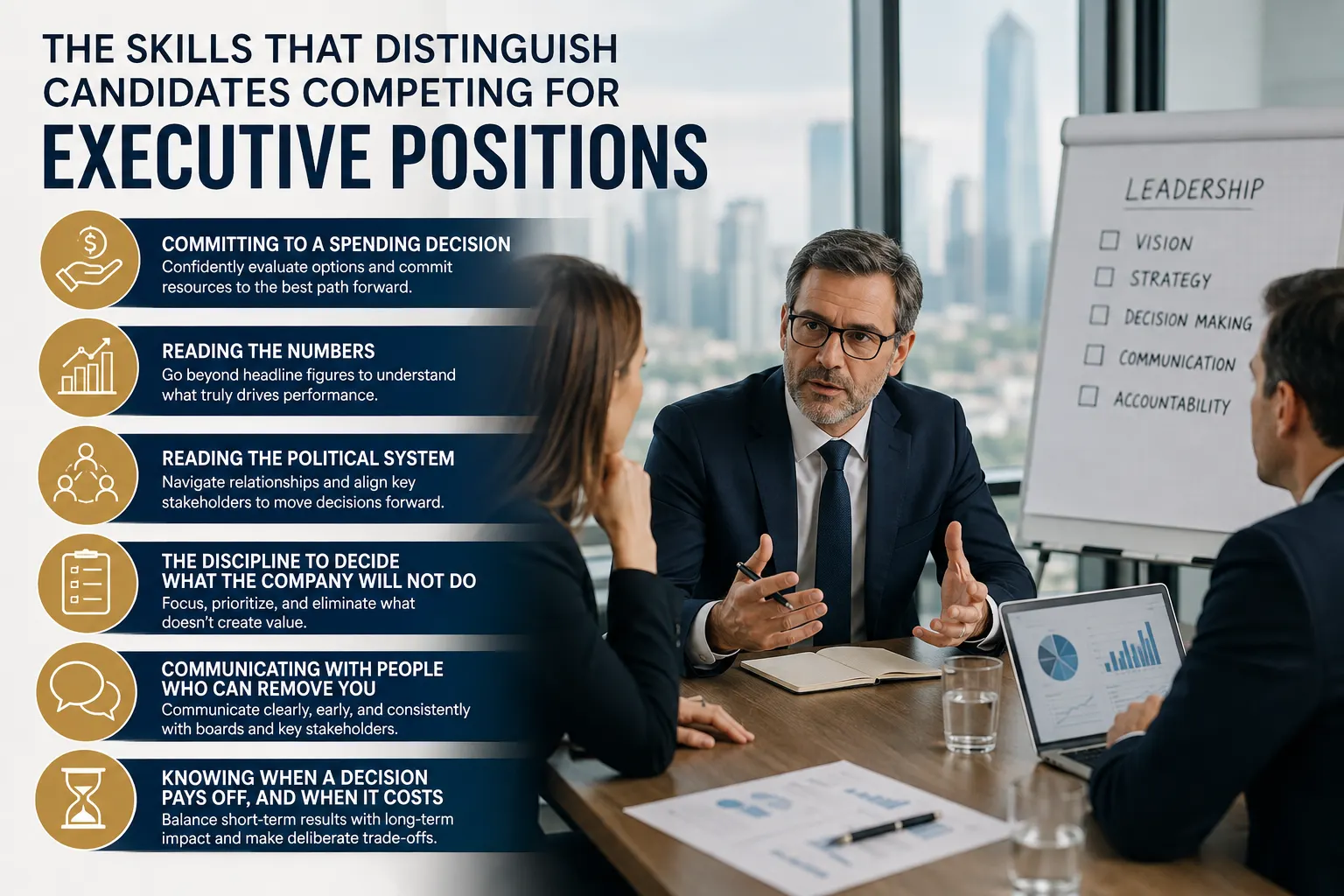
Executive positions require more than extensive experience or strong functional expertise. The candidates who stand out demonstrate the ability to make difficult spending decisions, understand financial statements, navigate organizational dynamics, prioritize what matters, and communicate effectively with boards. They also show discipline in deciding what the company should stop doing and understand the long-term consequences of short-term choices. These skills reveal how a leader thinks when information is incomplete and pressure is high. By developing financial, strategic, political, decision-making, and communication skills, senior managers can become stronger candidates for executive leadership roles.
Read More
Choosing the right degree path requires more than picking a popular major or following a familiar career route. Students should consider their goals, existing college credits, interests, skills, schedule, career opportunities, and overall education costs before enrolling. Flexible programs can be especially useful for adult learners, working professionals, transfer students, and those with interests across multiple academic areas. It is also important to evaluate how coursework connects to real-world skills and job requirements. By comparing programs carefully and allowing room to change direction, students can choose a degree that fits both their current needs and future goals.
Read More
A doctorate can be a powerful career move, but it should match your professional goals, available time, financial situation, and desired career outcomes. Before enrolling, consider the role you want in the future and determine whether a doctoral qualification is actually required or valuable for that path. Evaluate the program’s curriculum, research expectations, cohort structure, faculty support, accreditation, costs, and completion requirements. An online doctorate may offer flexibility, but it still requires substantial commitment. By carefully assessing the workload and potential return, professionals can decide whether pursuing a doctorate is the right step for their careers.
Read MoreGet into details now? View all posts