Table of Content

- Jessica Robinson
- Aug 31,2026
It’s more than obvious that mobile technology has radically changed the way people communicate, work, learn, and function in general. All of these gadgets, like cellphones, laptops, etc., have basically become extensions of our hands and integral parts of our lives.
And that’s great news for modern businesses, because they are provided with some awesome opportunities. Companies that work on educational technology, learning content, offer digital services, or support training and school organizations can reap all the benefits that come with the growing role of mobile devices in education.
But the whole purpose isn’t solely to sell more devices but to alter the way educational services are provided, the way students interact with content, and many other things, and that’s exactly what this article will further explore today.
One of the absolute biggest wins with mobile tech is how incredibly accessible it makes everything. Students no longer have to be chained to a desk in a computer lab just to get their work done.
A basic tablet or smartphone gives them instant access to lessons, videos, assignments, research data, and educational apps from just about anywhere on the planet.
For businesses, this opens up a massive goldmine for developing products that run smoothly across all kinds of devices and environments. EdTech platforms can build bite-sized lessons that students can easily knock out right on their phones during a commute.
Digital publishers can cook up interactive textbooks, and software companies can build smart tools that let learners collaborate seamlessly from different corners of the world. The more education breaks out of the traditional four-walled classroom, the more valuable this flexible tech becomes.
Educational organizations, along with schools, are always interested in uncovering new ways to incorporate devices that students already have in their possession. The concept that’s widely known as BYOD in schools, or bring your own device, enables these young people to utilize their own devices (such as smartphones, tablets, etc.) for educational purposes. For firms, this model can create various opportunities.
Instead of developing technology that solely concentrates on school-owned hardware, organizations can simply craft platforms that are capable of working effectively on different devices.
This means that compatibility is going to become super essential. Educational software must function properly across different operating systems, device capabilities, and screen sizes.
Mobile tech has made it a whole lot easier for students, teachers, parents, administrators, and education providers to stay on the exact same page. Instead of relying on crumpled paper notes at the bottom of a backpack, everything goes digital.
Automated notifications can gently remind students about upcoming assignments, parents can get instant progress updates through dedicated apps, and teachers can broadcast sudden schedule tweaks or classroom changes in seconds.
For businesses, this opens up a massive opportunity to build communication platforms that bring all these different groups into one smooth ecosystem. The catch is that good design is absolutely everything.
Educational communication tools need to make important info a breeze to find without driving users crazy with a non-stop barrage of annoying, useless notifications.
It’s been concluded that mobile technology is beneficial for students, but what’s worth emphasizing is that it is useful for teachers, as well. Teachers are continuously flooded with a bunch of different tasks and responsibilities, starting from recording attendance to preparing assignments, etc.
In these situations, one of the things that can be of massive assistance is mobile applications, and they can surely help to some degree. A teacher might leverage a tablet to take attendance, access lesson materials, update grades, or simply talk to colleagues.
For businesses working on education technology, this is an extremely important piece of information. A product doesn’t need to be flashy to be valuable. At times, the most helpful tools are the ones that discreetly eliminate repetitive tasks from someone’s calendar.
Mobile tech has made it a whole lot easier for students, teachers, parents, administrators, and education providers to stay on the same page. Instead of relying on crumpled paper notes at the bottom of a backpack, everything goes digital.
Automated notifications can gently remind students about upcoming assignments, parents can get instant progress updates through dedicated apps, and teachers can broadcast sudden schedule tweaks or classroom changes in seconds.

It’s easy to conclude that mobile applications are designed to provide a plethora of opportunities for modern companies that are part of the education field, ranging from personalized learning platforms to mobile training programs and such.
Mobile technology makes learning more accessible by allowing students to access lessons, assignments, videos, and educational apps from anywhere.
BYOD means “Bring Your Own Device,” allowing students to use their personal smartphones, tablets, or laptops for educational activities.
Businesses can create educational apps, digital learning platforms, interactive content, and tools that support students, teachers, and schools.
Mobile apps can help teachers manage attendance, access lesson materials, update grades, communicate with colleagues, and reduce repetitive administrative tasks.
Mobile platforms can collect learning data and provide insights into student engagement, progress, performance, and learning behavior.
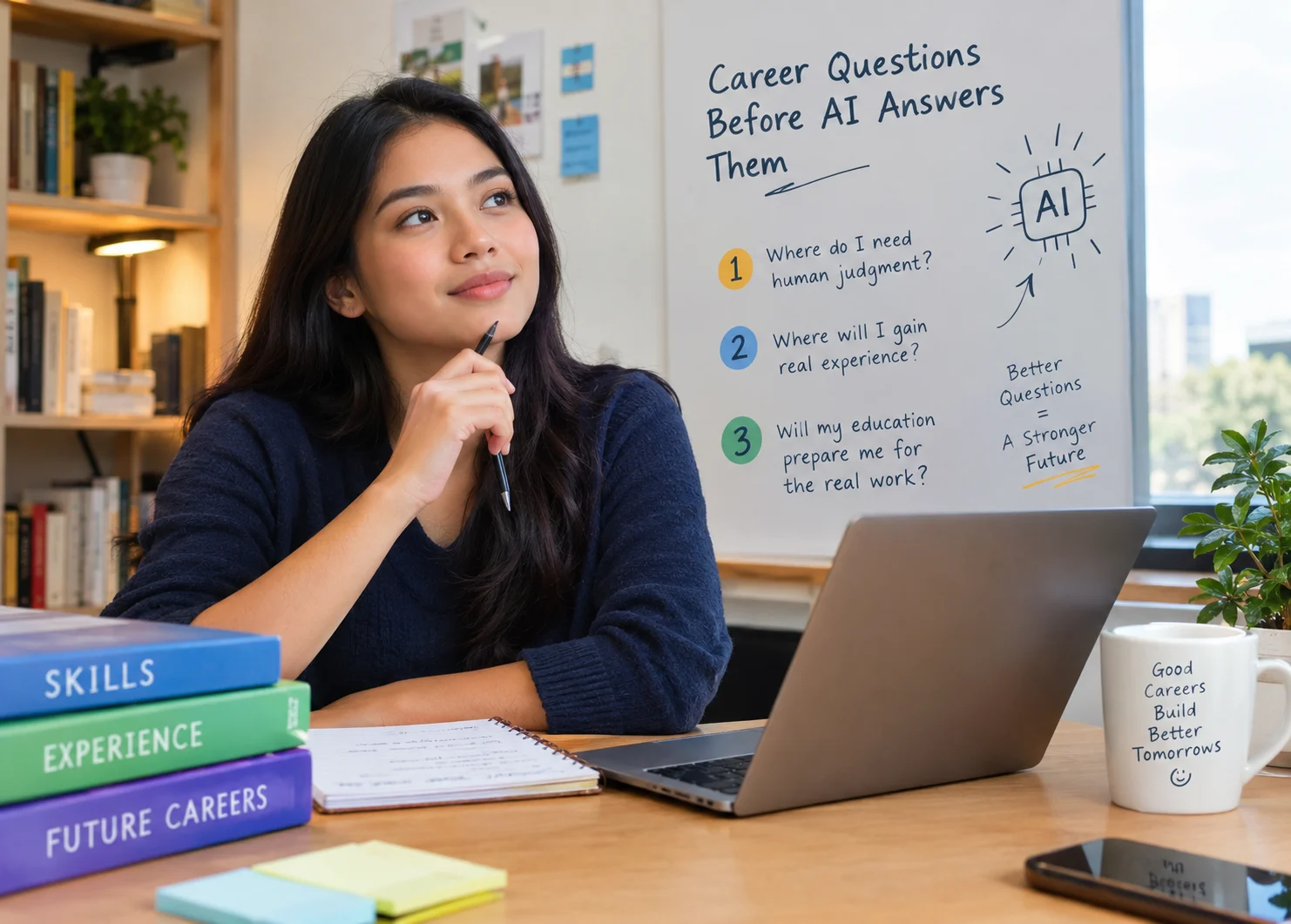
AI is changing how people work, learn, and build careers, making traditional career planning more complicated than ever. Instead of only asking whether a job is safe from automation, students and professionals need to consider where human judgment, practical experience, and meaningful skills remain essential. This article explores three important career questions to answer before AI answers them for you. From identifying uniquely human responsibilities to gaining real-world experience and choosing education that prepares you for actual work, these questions can help you build a career that remains adaptable in an AI-driven workplace.
Read More
Finding an affordable B.S. in Biology does not necessarily mean compromising on laboratory experience, undergraduate research, fieldwork, or preparation for graduate and professional programs. This guide compares 10 Midwest colleges offering biology and biological sciences programs, highlighting factors such as tuition, specializations, research opportunities, pre-health pathways, laboratory access, and field experience. It also explains how to evaluate the true cost of a biology degree, compare B.S. and B.A. programs, and choose a program based on academic and career goals. Tuition, fees, and program details should be verified with each university before enrollment.
Read MoreGet into details now? View all posts