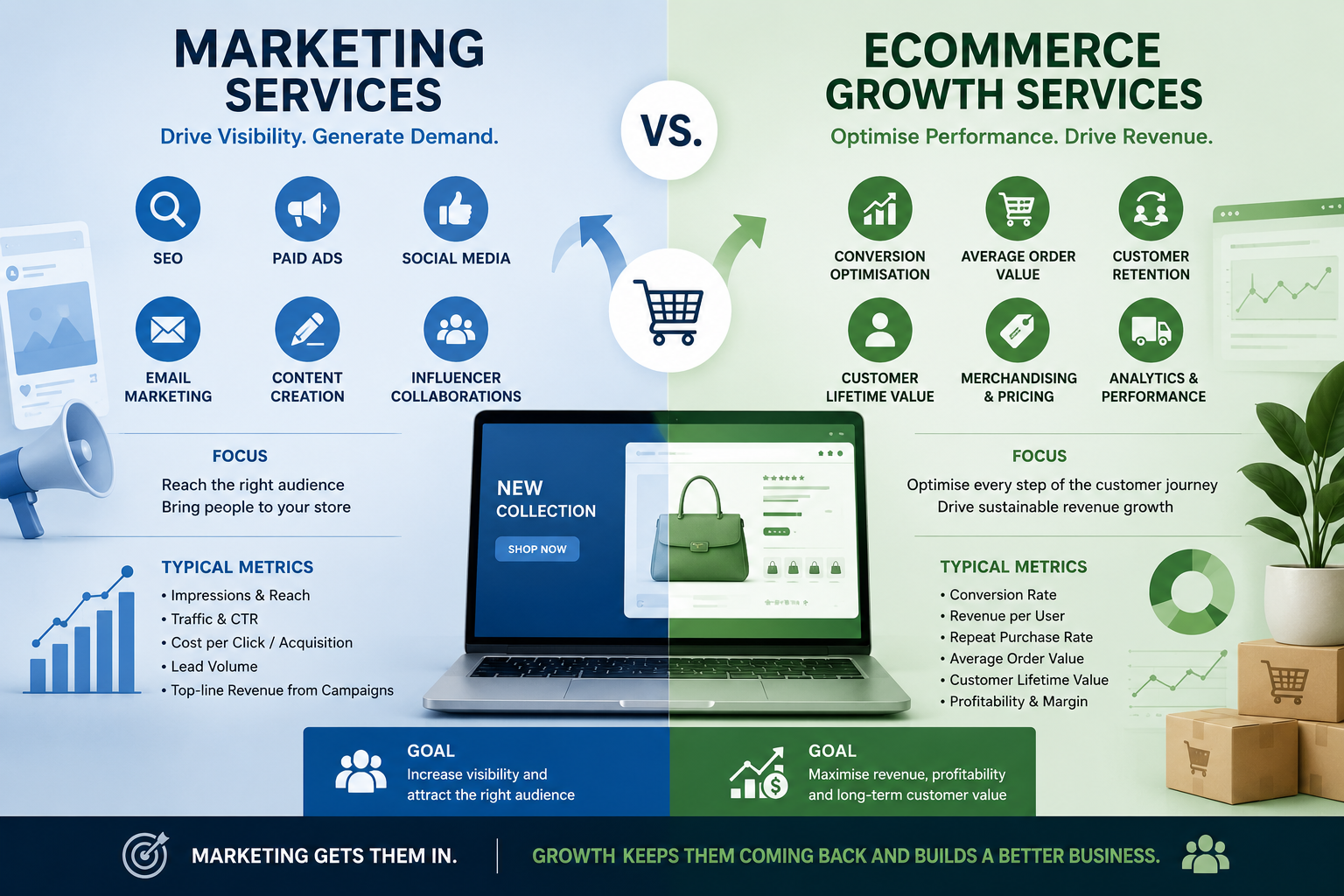
A vast majority of businesses can grab people’s attention in one way or another, but the entire point of running a company is to get attention from people you need- your target audience, the ones who truly want to purchase your products or services.
An average campaign can produce thousands and thousands of impressions and lots of clicks, but that doesn’t mean that you’ll have meaningful leads, as well. On the other hand, a relatively small campaign that properly targets people can be far more successful.
In these situations, businesses can make use of Google Ads. When somebody browses Google with a certain commercial need, they are typically much further along in the buying process than someone who does it on social media.
The main purpose is to detect those high-intent searches, craft ads that match them, and above all, make sure the landing page is exactly what the viewer is searching for.
What Are The Aims Of Your Campaign?
Before you even think about launching a campaign, you need to be crystal clear about what winning actually looks like for your business. Different companies jump onto Google Ads for totally different reasons. Some are just looking to get their phones ringing off the hook, while others are chasing online bookings, quote requests, or physical foot traffic through their front door.
Nailing down your main goal early on is what shapes your entire campaign strategy. So, the question is, what are you really trying to achieve?
- Get more phone calls from local customers
- Pull in fresh quote requests through a website form
- Fill up the calendar for a specific service
- Blast out an offer for a brand-new product or seasonal sale
Once your goal is locked in, everything else gets a million times easier. You will know exactly how to pick the right keywords, build a landing page that actually converts visitors, and track your performance accurately.
Moving On To Paid Search Campaigns
So, what can be said about them? Namely, when crafting paid search campaigns, companies shouldn’t solely think about clicks and impressions. They need to ask themselves if their campaign is going to attract prospective buyers.
In order to determine that, they need to concentrate on the quality of search terms, inquiries, leads, and many other factors. For instance, a keyword that generates fewer clicks but a couple of promising consumers may actually be far more valuable than a high-volume keyword that doesn’t generate as many top-quality visits.
In other words, firms (regardless of their size and line of work) shouldn’t optimize solely for the sake of traffic.
Campaigns Should Revolve Around The Specific Shopper Needs
A massive mistake a lot of people make is cramming a bunch of completely unrelated keywords into one single campaign. A way better move is to organize your campaigns around specific products, services, target audiences, or buyer needs.For ecommerce businesses, this approach is especially important, and working with an ecommerce Google Ads agency can help create campaigns around specific products, audiences, and buyer needs.
For instance, if you are selling business software, you should create totally separate campaigns for accounting software, inventory management tools, and payroll solutions. Breaking things down like this makes it a breeze to write hyper-relevant ads.
If someone searches for "business inventory software," showing them an ad that talks specifically about tracking inventory is going to work a million times better than a generic ad about your entire software platform.
Keeping your messaging that relevant creates a much smoother experience for the user from the second they see your search result all the way until they land on your page.
Make Use Of AI
Google Ads tends to leverage artificial intelligence to help organizations get excellent results without relying too much on manual work. However, what’s important to know is that artificial intelligence isn’t some magic wand.
In order for it to do things correctly, it needs to have the proper inputs, such as precise conversions, clear goals, etc. If you utilize AI strategically, then you’ll be able to spot trends, reach your target audience, and enhance performance at scale.
AI-powered audience targeting, for instance, employs Google’s machine learning to help you get in touch with the right audience. These are typically people who could potentially become your customers.
And even if you haven’t defined your target audience properly, something like this may still occur, and that’s because of certain elements, like interests, behavior, etc. Google detects patterns and then shows your ads to people who can be defined as your perfect customer. Many steps need to be taken (as far as Google Ads is concerned) that are going to help you attract high-intent buyers, and the ones that are most effective were mentioned above.