Table of Content
.webp)
- Kiara Miller
- Aug 18,2026
Hardly anything remains stagnant. Changes are completely normal and something that affects almost everything and everybody, including customers. They are a far cry from what they used to be.
Yes, their primary goal is to hunt down a good product and be satisfied with it; however, that’s not the only thing they are searching for. They want to have an excellent customer experience, too!
This refers to the way a specific business interacts with them, whether they feel comfortable, appreciated, etc. That’s something that will greatly affect the way they perceive your company, hence it’s of huge importance to prioritize this.
If you’re looking for ways to level up your customer experience strategy, then maybe the facts below will show you how to do just that!
Ever actually sat down with your team to sketch out your customer journey? If the answer is no, you are seriously missing out on a massive chance to make your customers love you at every single step of the way. First up, you need to map out the core phases of the experience, from the exact moment someone discovers you all the way to the post-purchase check-in. Tossing everything into visual tools like Custellence makes it incredibly easy to untangle even the messiest, most complicated customer paths so you can fix what isn't working.
Make sure you keep coming back to your journey map to update it. Think of it as a living, breathing project that evolves as your business grows, giving you a steady stream of quick wins and actionable insights to keep your crowd happy.
One of the best things that you can use for these purposes is technology; however, just keep in mind that you must do it wisely. Modern customer service platforms are designed to help companies manage calls, track interactions, route customers to the right sectors, and give workers helpful information.
So what is the best option in these instances? Maybe you should consider solutions that work similarly to Amazon Connect, which are intended to support cloud-based customer contact operations and simultaneously help firms manage customer communications and establish more connected service experiences. In other words, technology is supposed to streamline everything in terms of interactions, not only for customers but employees as well!
And you definitely shouldn’t add software solely because you want to modernize things. That shouldn’t be your only goal, and it can actually only further complicate things.
Customer satisfaction surveys, Net Promoter Scores, and customer effort scores are the classic tools companies use to find out what is bugging their buyers. These quick checks let people give you direct, brutally honest feedback that you can actually use to clean up your customer experience.
Doing usability testing on your products or websites, hiring mystery shoppers, and obsessing over online reviews and ratings are other great ways to spot exactly where your business is dropping the ball and figure out how to patch things up.
Now, here’s a step that mustn’t be overlooked if you want to do things the right way, as far as this goes. The point is that you must comprehend what your customers generally value. Of course, you can always make some assumptions; however, if you want your CX strategies to be taken up a notch, then you need to focus on the real customer behavior and feedback.
You can do so by leveraging a variety of different tools, like reviews, surveys, website analytics, support conversations, and customer reviews. Every single one of these methods is intended to provide you with very valuable insights.
In these types of situations, your focus should be on both the positive and negative comments. If you notice that a substantial number of people are complaining about the same thing, then it’s surely a sign that you should take this into account.
The whole point of this isn’t solely to gather feedback for the sake of having certain pieces of information but to utilize that information to identify practical enhancements.
Personalization, whether it is hyper-targeted marketing, custom product picks, or tailored emails, is all about using data to make the customer experience feel uniquely relevant. Thanks to tech like data analytics and machine learning, companies can easily customize recommendations, content, and marketing messages to match individual tastes on the fly. The main purpose of all these aforementioned strategies isn’t just to improve customers' satisfaction during a single conversation, but to ensure your effort is consistent because that’s one of the surefire ways to turn current customers into loyal ones.
A customer experience strategy is a structured approach to improving how customers interact with a business across every stage of their journey, from discovery and purchase to support and follow-up.
Customer journey mapping helps businesses understand the different touchpoints customers experience and identify areas where interactions can be improved or simplified.
Technology can help businesses manage customer interactions, organize support requests, provide relevant information to employees, and create more connected service experiences.
Businesses can use customer satisfaction surveys, Net Promoter Scores, customer effort scores, reviews, usability testing, support conversations, analytics, and other feedback methods to identify recurring problems.
Personalization makes interactions more relevant by tailoring recommendations, content, communications, and offers to individual customer preferences and behaviors. This can help increase satisfaction and encourage customer loyalty.
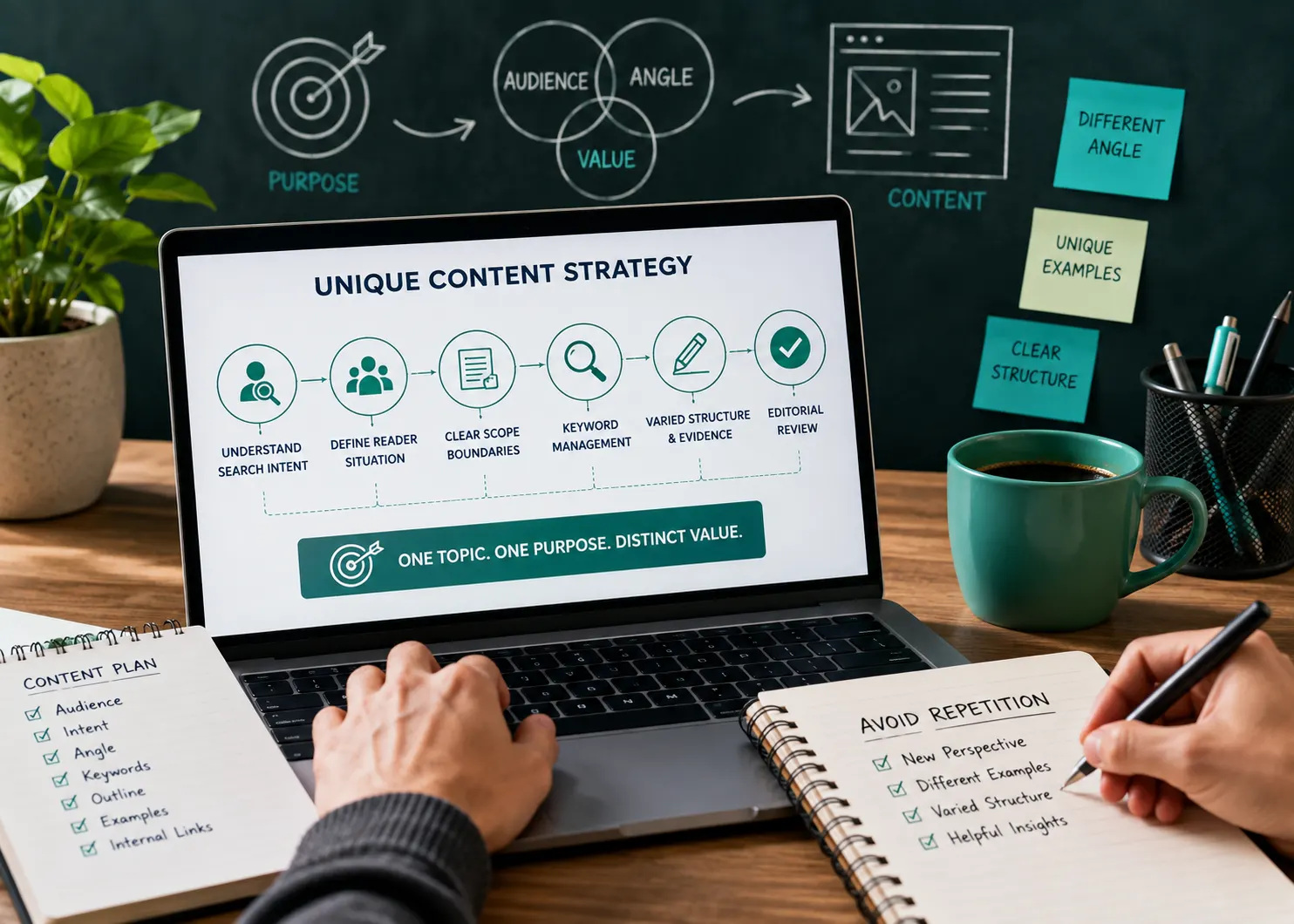
Creating multiple articles within the same niche often leads to repeated ideas, structures, and keyword overlap. This guide explains how to keep every article unique by defining clear search intent, setting topic boundaries, varying content structures, managing keyword clusters, and using diverse research sources. It also covers practical editorial workflows that help writers and content teams build a well-organized content library where each page serves a distinct purpose, improves SEO performance, and provides genuine value to readers.
Read More
A top-up business degree is an efficient way for diploma holders to earn a bachelor's qualification without starting over. By recognizing previous academic credits, these programs reduce study time while enhancing career prospects, earning potential, and leadership opportunities. Students also develop practical business skills, expand their professional networks, and stay competitive in today's evolving job market. Whether you're aiming for a promotion, a career change, or long-term professional growth, a top-up degree offers a faster path to achieving your goals.
Read More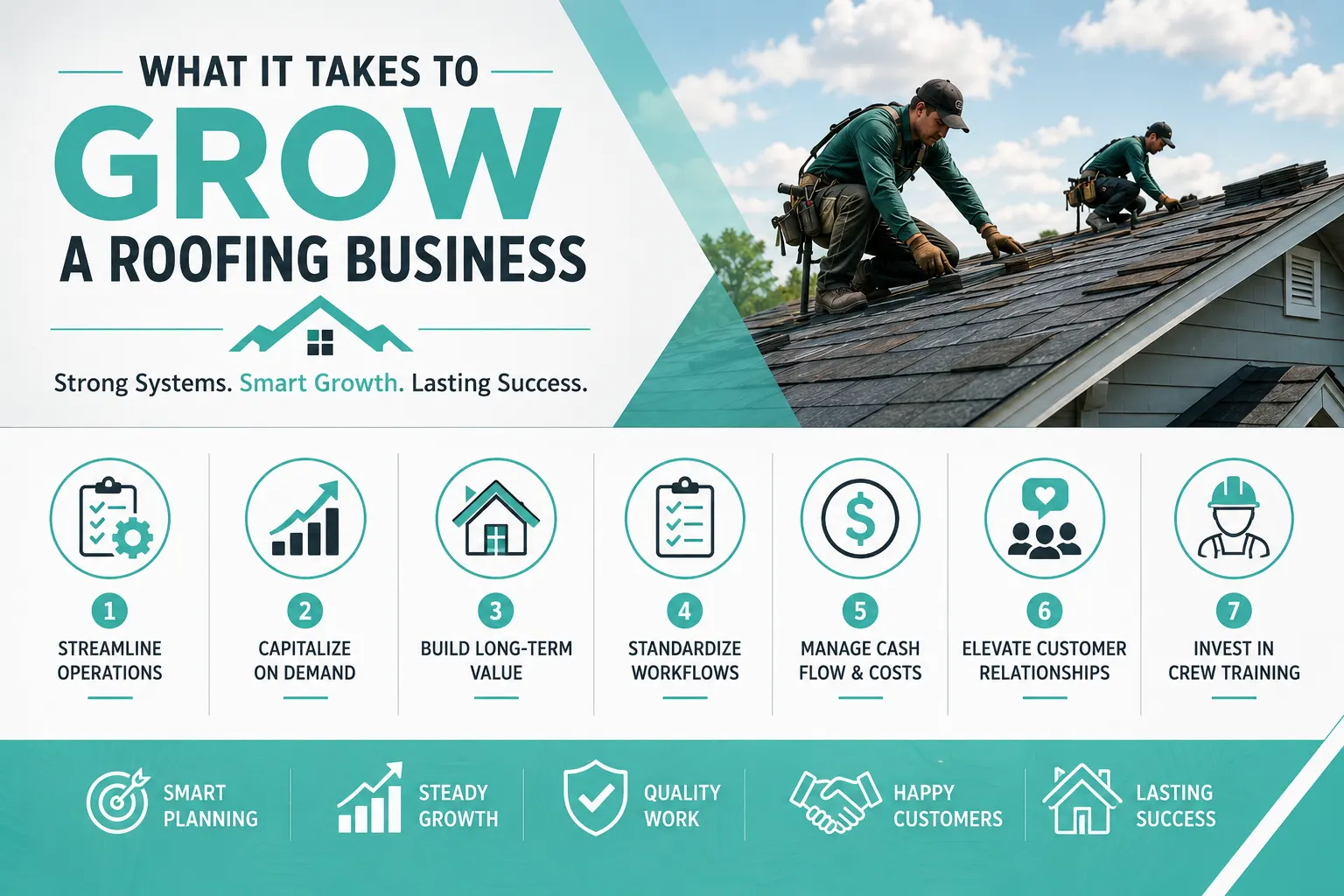
Growing a roofing business requires more than completing quality projects. Sustainable expansion depends on organized operations, reliable financial management, effective customer relationships, trained crews, and repeatable jobsite processes. This guide explores practical strategies roofing contractors can use to build a stronger and more scalable business. From adopting CRM systems and standardizing workflows to managing cash flow, responding to market demand, and investing in employees, these approaches help contractors improve efficiency, protect profitability, strengthen their reputation, and create a solid foundation for long-term business growth.
Read More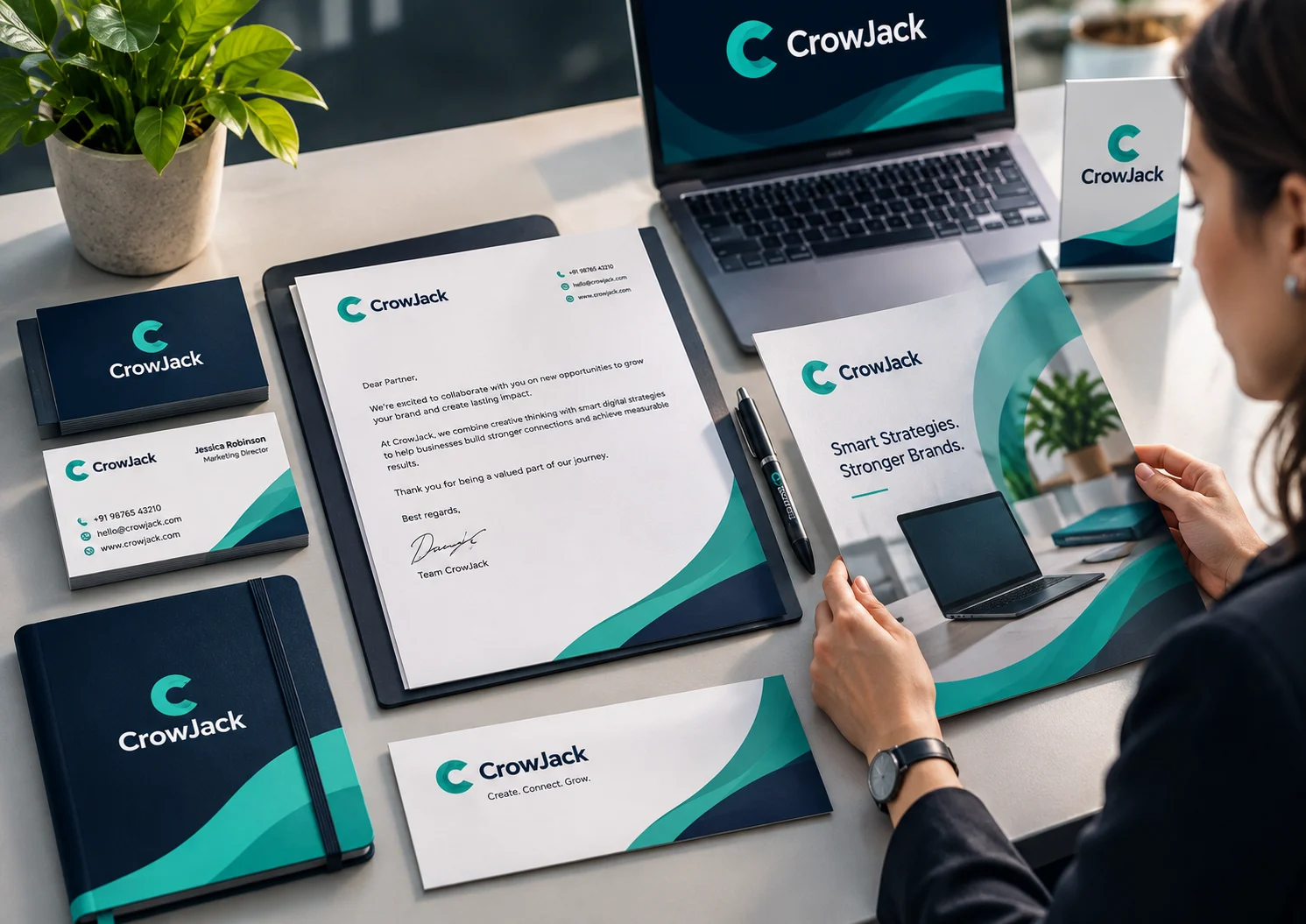
Print branding is an often-overlooked part of a strong brand identity. From business cards and stationery to packaging and signage, physical brand touchpoints influence how customers perceive your business. This article explores why consistent print branding matters, how colour and typography affect recognition, and how businesses can bring offline materials in line with their digital presence. Learn practical ways to audit and improve your printed materials so every customer interaction feels professional, recognisable, and trustworthy.
Read MoreGet into details now? View all posts